Energy Other

IEA warns oil demand to contract amid record supply shock



Global oil markets are facing their most severe disruption on record, with demand set to contract and supply sharply curtailed amid ongoing conflict in the Middle East, according to the latest Oil Market Report from the International Energy Agency (IEA).
The agency said global oil demand is now expected to decline by 80,000 barrels per day in 2026, a sharp reversal from earlier growth forecasts, as higher prices and supply shortages weigh on consumption.
Dr Fatih Birol said the scale of disruption reflects unprecedented stress across energy markets, with supply, trade flows and demand all under pressure.
Global oil supply fell by 10.1 million barrels per day in March to 97 million barrels per day, marking what the IEA described as the largest disruption in history.
The decline was driven by attacks on energy infrastructure in the Middle East and severe restrictions on tanker movements through the Strait of Hormuz.
Refining activity has also been hit, with crude runs in April down by around 6 million barrels per day as facilities struggle with feedstock shortages and logistical constraints.
Inventories have been drawn down rapidly to offset supply losses. Global oil stocks fell by 85 million barrels in March, with particularly sharp declines in regions outside the Middle East.
At the same time, floating storage and onshore stockpiles in the Gulf have increased due to restricted export routes, highlighting the imbalance between production and available shipping capacity.
Oil prices have surged in response, with benchmarks rising to around $130 per barrel — roughly $60 above pre-conflict levels — while physical crude prices have spiked even higher due to immediate supply shortages.
The report noted that global oil exports have fallen by more than 13 million barrels per day, with flows through Hormuz reduced to just 3.8 million barrels per day compared to over 20 million barrels per day before the crisis.
Alternative export routes have partially offset the disruption, but not enough to stabilise markets.
Demand destruction is already evident, particularly in Asia, where petrochemical producers have reduced operating rates and aviation activity has declined due to flight cancellations.
The IEA said the outlook remains highly uncertain, with the trajectory of shipping flows through Hormuz seen as the single most important factor in determining market stability.
While the agency’s base case assumes a partial recovery in flows by mid-year, it warned that a prolonged disruption could lead to further tightening, with significant implications for global energy markets and economic growth.
Related Articles
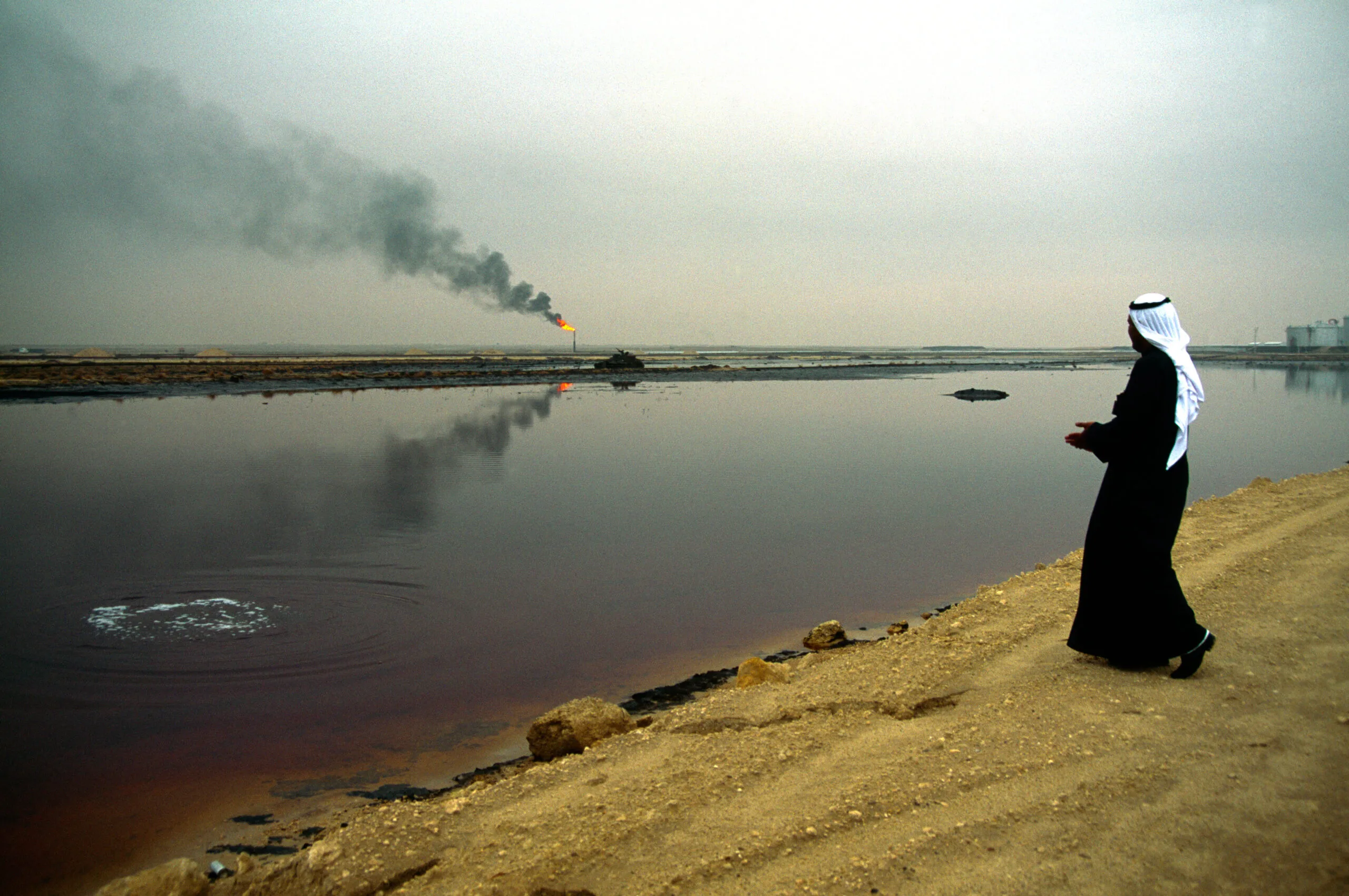
Kuwaiti oilfield comes onstream officially after 1...
22 Sep, 2025 12:56
African Energy Week (AEW) 2025: Unlocking the Pote...
22 Sep, 2025 13:22
South Africa warns illegal car imports threaten ne...
23 Sep, 2025 06:31
South Africa Confronts EU Carbon Border Mechanism...
23 Sep, 2025 12:33
South Africa, China Deepen Investment Ties in Key ...
24 Sep, 2025 07:35
Raysut Cement’s Expansion into Libya and North Afr...
24 Sep, 2025 07:40
Nextchem opens regional office in Abu Dhabi...
24 Sep, 2025 08:10
Ghanaian students win top honours in IAEA’s Female...
24 Sep, 2025 09:32
Key Sectors Linking Mauritania and Gambia...
24 Sep, 2025 09:40