
Energy Other

Why oil was never in danger of reaching $200 a barrel


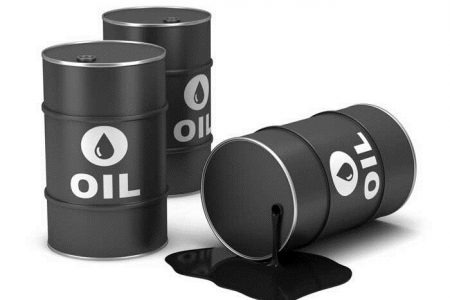
Forecasts that oil could reach $200 a barrel spread rapidly at the start of the US-Iran war and experts pondered whether the Strait of Hormuz could remain closed for a prolonged period.
But these dire predictions never materialised. The highest level the global benchmark price, Brent crude futures, reached was $126. Even that spike was brief. Before the recent escalation in tensions, Brent was trading comfortably for days at just above $70 – back to pre-conflict levels.
There were several reasons why warnings from respected voices in the energy field fell flat.
First, the global oil market was well supplied prior to the US and Israel first bombing Iran on February 28, providing a substantial buffer before shortages became acute. The International Energy Agency (IEA) expected there to be a surplus of about 3.7 million barrels per day (bpd) in 2026 before the attacks began.
The chief disruption was Iran’s virtual closure of the strait, a chokepoint between Iran and Oman through which about 20 million barrels of oil – about a fifth of global demand – would pass daily before the war.
However, the market never lost the full amount. The IEA estimates that more than 14 million bpd were prevented from entering the market at its peak but increased exports from other countries and alternative pipeline routes provided additional supply.
Saudi Arabia and the UAE increased their exports by using pipelines that bypassed the strait through the Red Sea and Gulf of Oman respectively. Saudi Arabia exported more than 5 million bpd from its Red Sea Yanbu port in early June, versus just 2 million bpd before the war. It is considering expanding pipeline capacity further.
The UAE, meanwhile, left producer group Opec in April and saw exports reach near-record highs of 3.8 million bpd in June, according to data from Kpler.
Exports also rose from the Atlantic Basin. This included supplies from the US, where crude and petroleum product exports surged to a record 13 million bpd in May, up nearly a quarter from a year earlier.
The release of oil from strategic reserves helped bolster the amount in circulation. In April, IEA countries released 400 million barrels to prop up the market. Around 1 billion barrels have been released worldwide since the start of the war, according to Reuters estimates.
Arguably the biggest reason that oil prices did not spiral, however, was China’s surprise cut in imports and use of its stockpiles. “China absorbed a large share of the shock by cutting crude imports and using its own oil reserves to bridge the gap between supply and demand,” said Hamad Hussain, climate and commodities economist at Capital Economics.
“That delayed the ‘tipping point’ at which oil inventory levels in developed economies would have hit tank bottoms and prices would have been forced higher.”
Beijing does not publish its stockpile data, so it is difficult to know how much the country may have drawn from its own strategic reserve. The US Energy Information Administration estimated before the war that China’s oil reserves totalled about 1.4 billion barrels.
Figures show the country slashed crude oil imports by 40 percent – or 4.6 million bpd – between February and May, according to the IEA, helping significantly to ease wider pressures and make more oil available to other Asia-Pacific countries. Asia is particularly reliant on oil from the Gulf and bore the brunt of the impact of supply constraints.
Rising traffic through the Strait of Hormuz, since the US-Iran memorandum of understanding was signed in June, boosted crude supplies. But the fragile agreement meant oil flows remained vulnerable to renewed disruption.
A defining feature of the oil market during the war has been backwardation, with Brent spot prices for immediate delivery trading above futures prices. The premium reflects buyers’ willingness to pay more for prompt supplies amid shipping disruption and geopolitical risk, signalling greater concern over near-term availability than longer-term supply.
In a sign of how quickly trade could rebound under a permanent peace deal, Iran says it managed to export at least 40 million barrels of oil in the two weeks after the US lifted its naval blockade, CNBC reported.
Any analysts who believed the market would lose 20 million bpd once the Strait of Hormuz shut and that prices could spike to $200 were “ridiculous”, said Maleeha Bengali, founder of investment fund MB Commodities Capital.
Alternative routes were among the factors that helped keep oil flow higher than expected, Bengali said.
Prices are “exactly where they need to be”, Bengali added, saying they could drop to as low as $55 to $60 in the next six to eight months. Major investment houses have already started to cut their oil price forecasts, though not as low as Bengali is suggesting.
“There is no shortage unless we come to a period where you see a massive global economic recovery in China like [post-2008], which we really don’t see happening,” she said.
Related Articles
Kuwaiti oilfield comes onstream officially after 1...
22 Sep, 2025 12:56
African Energy Week (AEW) 2025: Unlocking the Pote...
22 Sep, 2025 13:22
South Africa warns illegal car imports threaten ne...
23 Sep, 2025 06:31
South Africa Confronts EU Carbon Border Mechanism...
23 Sep, 2025 12:33
South Africa, China Deepen Investment Ties in Key ...
24 Sep, 2025 07:35
Raysut Cement’s Expansion into Libya and North Afr...
24 Sep, 2025 07:40
Nextchem opens regional office in Abu Dhabi...
24 Sep, 2025 08:10
Ghanaian students win top honours in IAEA’s Female...
24 Sep, 2025 09:32
Key Sectors Linking Mauritania and Gambia...
24 Sep, 2025 09:40