Sea

Transnet Ports raises fuel neutrality charge as industry warns of inflationary impact


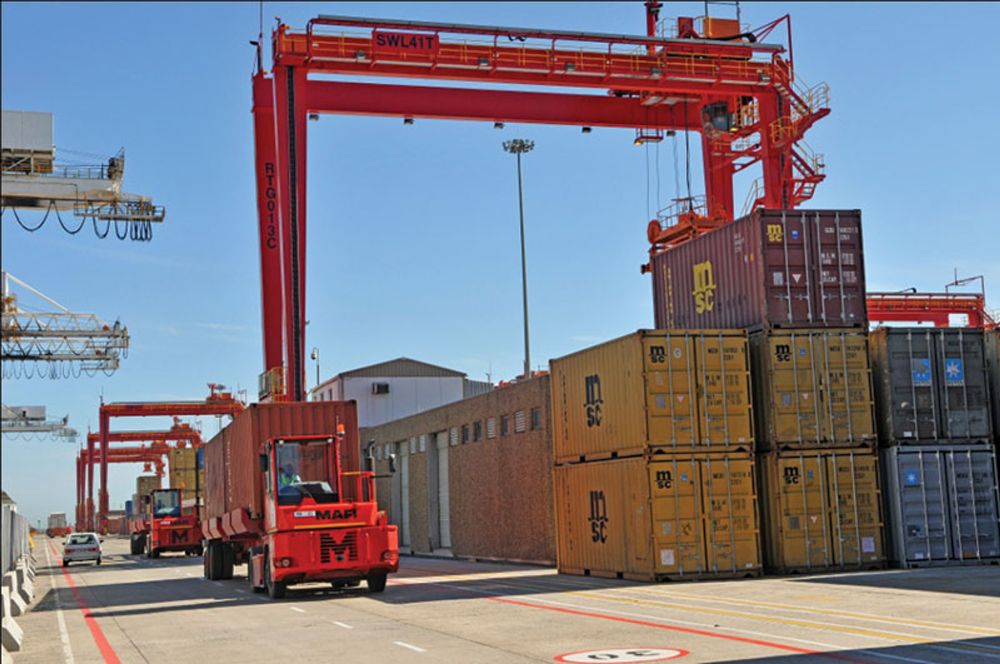
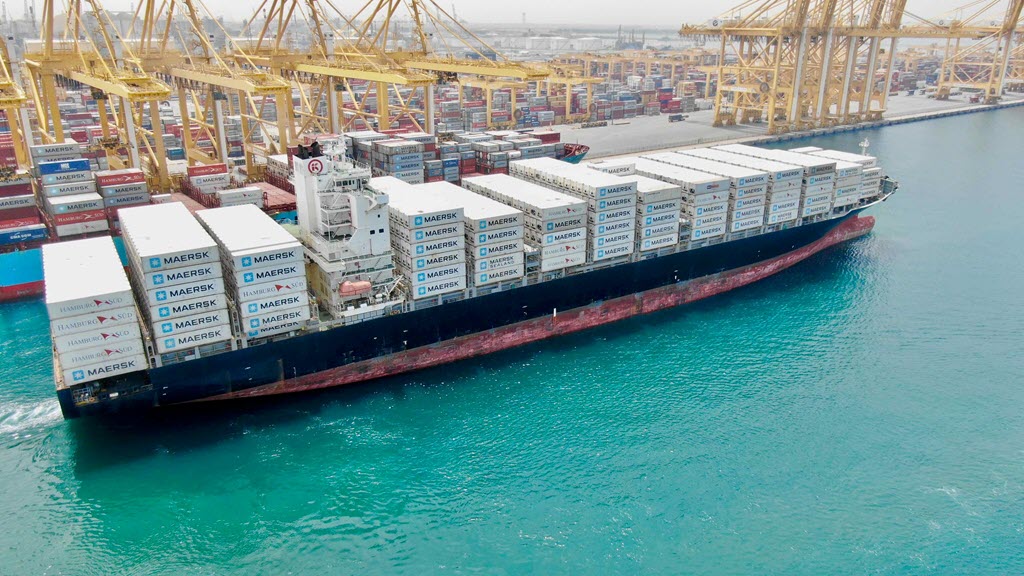
Transnet Port Terminals (TPT) has increased its fuel neutrality charge on container cargo to R78 per container from June, as rising diesel costs continue to place pressure on port and logistics operations amid ongoing global supply chain disruptions.
The revised charge, which takes effect on 1 June 2026, applies to container terminals that rely on diesel-powered equipment to handle import and export cargo.
TPT on Friday said the adjustment is aligned with South Africa’s regulated fuel pricing framework and linked to coastal diesel index thresholds determined by the Department of Mineral and Petroleum Resources.
TPT general manager for commercial and planning Michelle van Buren Schele said the surcharge is intended as a temporary cost-recovery mechanism rather than a profit-generating measure.
“The fuel charge is being implemented as a transparent, cost-recovery mechanism following diesel increasing by between R13.26 to R13.43 since March 2026 due to ongoing global supply chain disruptions,” van Buren Schele said.
She added that TPT had begun consulting customers as early as March while contingency plans were being developed to secure fuel supply and avoid operational disruptions at ports.
According to TPT, the surcharge will only partially recover the increased fuel costs, with the company absorbing some of the financial burden itself. The utility also stressed that the charge would be reviewed monthly and only applied during periods of extreme fuel price volatility.
“We place our customers at the centre of our operations and will continue to engage transparently and proactively with all industry stakeholders, ensuring consistent communication, clarity on any impact, and collaborative solutions that support supply chain resilience,” van Buren Schele said.
The latest increase follows TPT’s earlier announcement in April that it would introduce an initial fuel neutrality charge of R52 per container from 1 May, which drew mixed reactions from industry stakeholders concerned about the broader economic consequences of escalating logistics costs.
Related Articles

Transport & Logistics in Action – Connecting the M...
22 Oct, 2025 08:40
Appeal made for cargo harmonization across the SSA...
22 Oct, 2025 08:46
4 deals signed between Turkiye, Kuwait...
22 Oct, 2025 13:31
Beit Logistics invests $10.50mln to develop Safaga...
23 Oct, 2025 12:18
Khalifa Port rises to 39th position in Lloyd’s Lis...
23 Oct, 2025 12:24
ASCELA awarded Africa Logistics Zone Development P...
23 Oct, 2025 12:49
FG begins procurement for port modernization proje...
23 Oct, 2025 12:56
NZF delay extends unlevel playing field for EU por...
27 Oct, 2025 09:30
DP World Launches $85 Million Logistics Hub in Egy...
27 Oct, 2025 10:48