Generation

EWEC targets major solar growth across Abu Dhabi


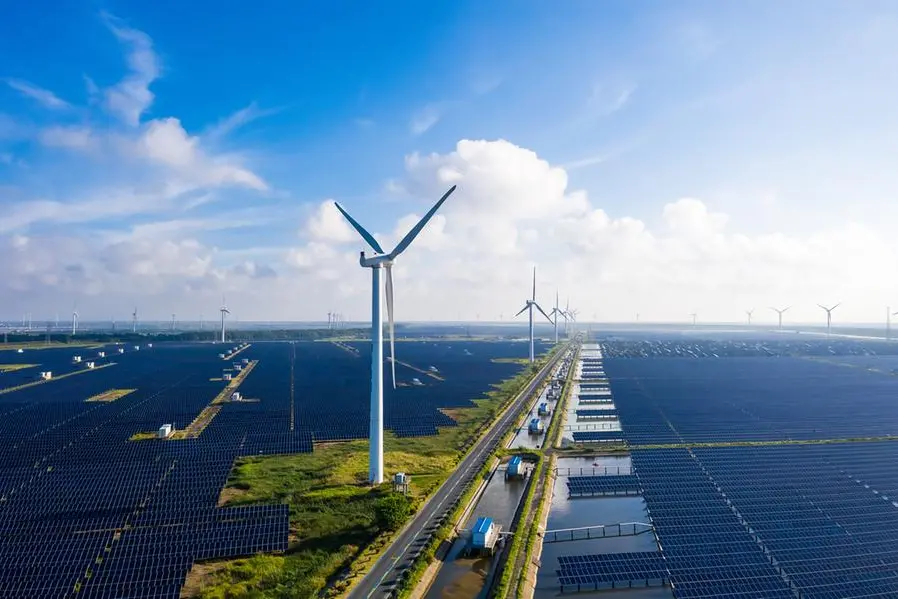
Emirates Water and Electricity Company (EWEC) is increasing Abu Dhabi’s solar capacity by almost 2,000% between 2020 and 2030, with installed capacity forecast to reach 17.5GW by the end of the decade.
By 2035, Abu Dhabi’s installed solar capacity is expected to exceed 30GW, with solar projected to provide approximately 40% of the emirate’s total power generation, according to EWEC, a leading company in the integrated planning, purchasing, supply and system despatch services of water and electricity across the UAE.
EWEC highlighted its solar expansion plans as it marked the International Day of Light 2026. Led by the United Nations Educational, Scientific and Cultural Organisation (UNESCO), the initiative celebrates the role of light in science, innovation and sustainable development.
This year’s theme, Light for a sustainable future, aligns closely with EWEC’s mandate to reshape Abu Dhabi’s energy mix by harnessing one of the UAE’s most abundant natural resources: sunlight.
As part of its strategic plan, EWEC has commissioned the development of five of the world’s largest single-site solar power plants, including Noor Abu Dhabi, Al Dhafra, Al Ajban, Khazna and Zarraf Solar Photovoltaic (PV).
The company is also advancing a major round-the-clock renewable energy project in partnership with Abu Dhabi Future Energy Company PJSC – Masdar. The project integrates a 5.2GW solar PV facility with a 19GWh battery energy storage system (BESS), supporting the continuous delivery of reliable renewable power and enabling EWEC to scale renewable capacity more rapidly.
Adel Alsaeedi, Senior Vice President of Project Development at EWEC, said: “The theme of International Day of Light, ‘Light for a sustainable future’, speaks directly to EWEC’s strategic vision. In the UAE, sunlight is our most powerful natural asset. By transforming this resource into reliable, utility-scale renewable electricity, we are strategically decarbonising the power sector, strengthening energy security, and driving sustainable economic growth.”
Alsaeedi added: “The unprecedented expansion of our solar infrastructure is fundamentally redesigning the energy landscape, proving that sustainability and scale can be achieved simultaneously. As we continue to deploy some of the world’s largest solar plants, we are firmly cementing Abu Dhabi’s position as a global leader in the energy transition and securing a resilient, low-carbon future for the nation.”
EWEC said the accelerated integration of solar PV with BESS will play a key role in decarbonising Abu Dhabi’s energy sector. The company expects the average carbon dioxide intensity from electricity generation to fall by 51%, from 335kg/MWh in 2019 to 162kg/MWh by 2030.
At the same time, by deploying solar power with BESS alongside low-carbon-intensive reverse osmosis (RO) technology to decouple water and power production, the average carbon dioxide intensity from water production is forecast to decrease by 94%, from 13.5kg/m3 in 2019 to 0.7kg/m3 by 2030.
By 2030, RO is expected to account for 92% of Abu Dhabi’s total water production. Looking further ahead, EWEC expects its total carbon dioxide emissions to fall by nearly 46% by 2035, compared with 2019 levels.
To support the expansion of renewable generation, EWEC is also advancing critical grid infrastructure, including the integration of more than 8GW of long-duration BESS by 2035, aimed at strengthening grid stability and securing supply.
Related Articles
South Africa energy build risks stalling without f...
04 Mar, 2026 12:01
LNG shutdown sinks Qatar stocks but Tadawul reboun...
04 Mar, 2026 12:19
Africa's energy transition must support industrial...
04 Mar, 2026 12:50
Funding for Africa clean energy financing surges d...
04 Mar, 2026 13:09
Kenya: Spenomatic Group Opens Solar Learning Centr...
05 Mar, 2026 08:30
NEDC Backs Solar Mini-Grid Rollout in Niger State...
05 Mar, 2026 09:16
Dr Kgosientsho Ramokgopa frames energy as Africa’s...
06 Mar, 2026 08:17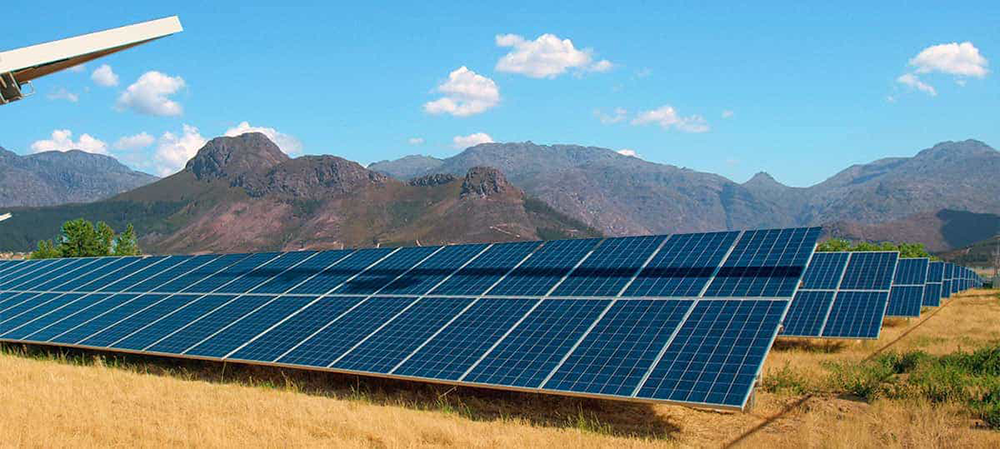
Rockefeller Foundation Commits an Additional US$10...
06 Mar, 2026 11:52
70% energy cut by South African SmeltDirect is ‘hu...
10 Mar, 2026 09:05