Energy Other

Kenya’s Clean Energy Boom Could Push Power Tariffs Higher


A bigger, cleaner system — but complex costs
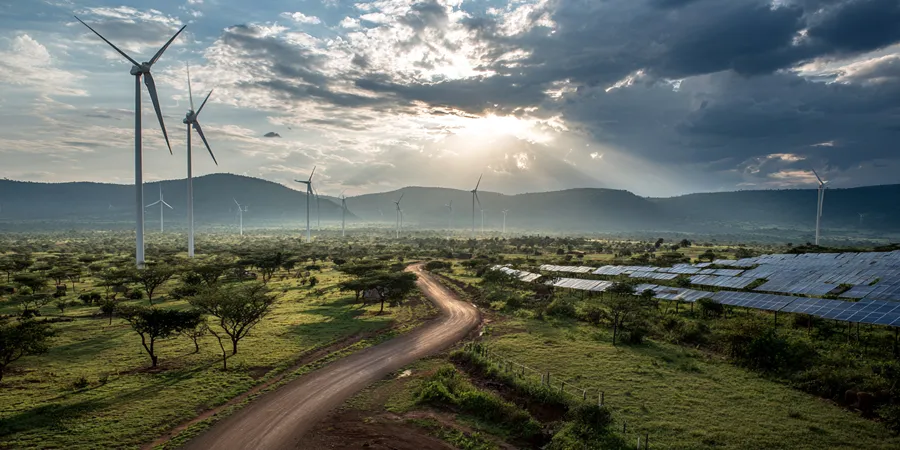
Kenya has tripled its long-term renewable capacity target, moving from roughly 2,600MW today towards almost 6,000MW. Policymakers are tying energy expansion directly to industrialisation and universal access goals. Horn Economic Review data show plans to add about 3,300MW of new renewable capacity, taking total installed capacity to 5,952MW by 2030, with geothermal, wind, solar and hydropower all set to grow.
Chambers’ 2026 power sector guide notes that renewables already exceed 80% of installed capacity. Geothermal stands at 940MW, hydro at 839MW, wind at 435.5MW and solar at 210.3MW, alongside a smaller 564.8MW thermal fleet and imported power. Regulators highlight that this expansion supports Kenya’s National Energy Compact, which targets near-100% renewable electricity and universal energy access by 2030.
The Mission 300 compact aims to lift connectivity from about 75% today to full access. It will add about 8,000 kilometres of new transmission lines, creating a larger, more resilient grid for industrial and regional demand growth. According to EPRA figures cited by Citizen TV, renewable sources already account for about 80% of the electricity mix, with thermal generation below 10%. This confirms Kenya’s status as one of Africa’s cleanest power systems.
Yet tariffs remain high and volatile. Kenya Energy and Petroleum Regulatory Authority notices in August 2026 added a combined KSh4.70 per kilowatt-hour in fuel, foreign exchange and water charges. This signals that non-generation costs still heavily shape end-user bills. Analysts interviewed by Africanews argue that while renewable generation costs are broadly competitive, consumers carry the burden of financing costs, transmission losses, taxes and currency swings. These factors can offset the benefits of cheaper green power. For investors, the most telling sentence is this: Kenya’s clean power expansion reduces fuel risk but does not by itself guarantee lower tariffs.
Why more renewables can push tariffs up
Kenya Power now warns that rapid growth in wind and solar is putting new pressure on grid stability and system costs. Company statements reported by local outlets show variable renewables supplying about 34% of the energy mix during peak demand around 1,900MW, rising to 36% when demand falls to roughly 1,200MW. EPRA’s capacity data for June 2025 indicate wind and solar at just over 20% of firm grid capacity, with variable sources supplying 16.45% of annual generation. That figure sits above the 15% share Kenya Power cites as the ideal threshold for intermittent supply.
Kenya Power’s managing director, Dr Joseph Siror, has stressed that the utility must dispatch additional generation whenever wind and solar output swings, to avoid grid instability. Reuters-linked coverage reports that Kenya Power now increasingly calls on extra plants at higher cost to smooth these fluctuations, with the expense ultimately passed through to end users. Kenya Power has publicly argued that there should be a cap near 15% for variable renewable energy unless baseload capacity, storage and grid-firming investments increase in step.
Contract structures compound the challenge. Chambers’ 2026 guide notes that Kenya’s electricity pricing is dominated by long-term power purchase agreements approved by EPRA, many with capacity payments on a take-or-pay basis. Africa Energy News reports that under these arrangements Kenya Power must pay for contracted renewable capacity even when the system cannot absorb all the electricity. The utility must also pay to dispatch backup thermal or hydro units when variable output drops. A LinkedIn analysis summarising Kenya Power’s recent position states that this double payment — for available renewable capacity and for stabilising generation — is now a meaningful driver of higher system costs and rising bills.
What does the PPA moratorium mean for new investment?
A BloombergNEF-based review shows that Kenya’s freeze on new power purchase agreements between 2018 and late 2025 delayed billions of shillings of clean energy projects. It also undermined investor confidence, even as renewables supplied over 90% of grid electricity. The moratorium has now been lifted. New guidelines cap wholesale prices for post-moratorium PPAs at about US$0.07 per kilowatt-hour, signalling a push for cheaper future contracts. However, existing legacy PPAs — including older wind and thermal deals with higher US-cent tariffs — still weigh on Kenya Power’s cost base. They complicate efforts to cut retail tariffs.
Tariff-setting rules were overhauled in early 2026, removing standard feed-in benchmarks and shifting more pricing decisions to bespoke regulatory approvals. This increases both risk and opportunity for new projects. At the same time, Mission 300 transmission expansion, emerging storage regulations and Kenya Power’s stance on variable renewables will shape which projects secure bankable PPAs and which face tougher terms.
For the next two to three years, energy investors, industrial offtakers and policymakers should watch three signals closely: how Kenya renegotiates older PPAs, how grid-firming and storage are priced into new contracts, and whether upcoming tariff reviews can align investor returns with genuinely affordable power for Kenyan businesses and households.
Related Articles

Kuwaiti oilfield comes onstream officially after 1...
22 Sep, 2025 12:56
African Energy Week (AEW) 2025: Unlocking the Pote...
22 Sep, 2025 13:22
South Africa warns illegal car imports threaten ne...
23 Sep, 2025 06:31
South Africa Confronts EU Carbon Border Mechanism...
23 Sep, 2025 12:33
South Africa, China Deepen Investment Ties in Key ...
24 Sep, 2025 07:35
Raysut Cement’s Expansion into Libya and North Afr...
24 Sep, 2025 07:40
Nextchem opens regional office in Abu Dhabi...
24 Sep, 2025 08:10
Ghanaian students win top honours in IAEA’s Female...
24 Sep, 2025 09:32
Key Sectors Linking Mauritania and Gambia...
24 Sep, 2025 09:40