Metal Markets

Gold prices rise 0.37 percent to $4,377 as U.S. inflation reports take focus


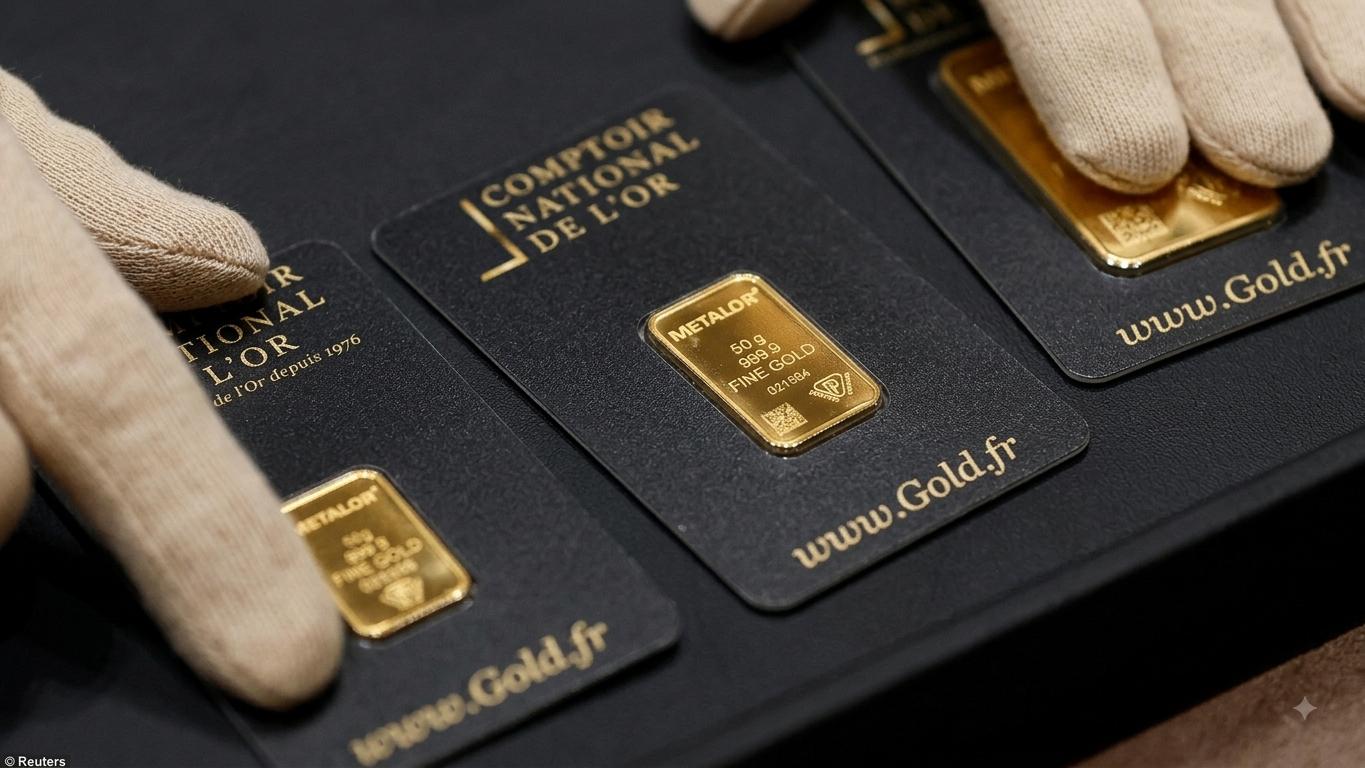
Inflation expectations and geopolitical risk pushed bullion back into focus on Tuesday, when gold reached its strongest level in more than two months and extended a three-session advance that restored momentum after its earlier retreat toward the $4,000 mark per ounce.
Spot gold rose 0.37 percent to $4,377.32 per ounce by 9:42 UAE time. U.S. gold futures advanced 0.39 percent to $4,436.92.
In the UAE, gold rates rose, with 24-carat gold gaining AED3 to AED531.25 and 22-carat gold increasing AED3 to AED492.
In addition, 21-carat gold climbed AED2.75 to AED471.75, while 18-carat gold rose AED2.25 to AED404.25.
Meanwhile, 14-carat gold gained AED1.75 to AED315.25.
Buying accelerated as traders who had missed the dip returned to the market, speculative investors covered short positions and demand for defensive assets strengthened. The latest advance also extended gold’s rebound during the previous trading week, when U.S. employment data reduced expectations for a September rate increase.
The immediate focus remained on the U.S. consumer price index scheduled for Wednesday and producer price data due Thursday. The reports are expected to shape monetary policy expectations following the weaker July employment report released during the previous week.
That labor-market report encouraged investors to reduce expectations that the Federal Reserve would raise interest rates at its September meeting. The changing outlook supported gold because lower interest rates reduce the opportunity cost of holding bullion, which does not pay interest.
Rate outlook shifts
The Federal Reserve kept its benchmark rate unchanged at its July meeting, although the decision revealed disagreement among policymakers. Three officials voted in favor of a rate increase, underlining the importance of the approaching inflation figures for the policy outlook.
Geopolitical developments provided another source of support. U.S. President Donald Trump responded to Iran’s conditions for a peace agreement by demanding that Tehran compensate the United States for people killed in wars, attacks and protests.
The exchange represented a rhetorical escalation that could complicate efforts to reach an agreement and reopen the Strait of Hormuz. Prolonged uncertainty around the waterway and the broader conflict continued to support demand for assets perceived as stores of value during periods of heightened risk.
Other precious metals also declined during the session. Spot silver fell 0.75 percent to $64.58 per ounce, while platinum dropped 0.79 percent to $1,750.10. Palladium slipped 1.03 percent to $1,352 per ounce.
Gold’s third consecutive advance therefore reflected several overlapping influences, including technical buying, short-covering, safe-haven demand and changing interest-rate expectations. The upcoming inflation reports will determine whether those forces can maintain the recovery or whether renewed policy concerns interrupt the rally.
Policy signals diverge
The labor data behind the shift in rate expectations were notably soft. U.S. nonfarm payrolls declined by 23,000 in July, while the unemployment rate was little changed at 4.1 percent. The employment report also revised May and June payroll growth down by a combined 103,000 positions. Average hourly earnings increased 3.2 percent from a year earlier, but the participation rate remained at 61.4 percent. Those figures weakened the case for an immediate increase in borrowing costs and helped explain why traders reduced expectations for a September rate hike. Employment declined in local government education and retail trade, while health-care hiring continued to increase.
The inflation releases could alter that assessment. The Bureau of Labor Statistics will publish July consumer prices on August 12 and producer prices on August 13, according to its release calendar. At its July 29 meeting, the Federal Open Market Committee maintained the federal funds target at 3.5 percent to 3.75 percent. The Fed decision passed by a 9-3 vote, with Beth Hammack, Neel Kashkari and Lorie Logan preferring a quarter-point increase. The statement described inflation as elevated partly because of energy-related supply shocks. The split vote showed policymakers remained divided over how quickly to address price pressures.
Structural demand strengthens
Gold’s latest rally also rests on investment demand beyond short-term interest-rate trading. The World Gold Council reported total demand, including over-the-counter activity, at 1,231 metric tons during the first quarter of 2026, up 2 percent annually. The value of that demand rose 74 percent to a record $193 billion. Its demand report showed bar and coin purchases climbing 42 percent to 474 metric tons, while physically backed exchange-traded funds added 62 metric tons. Central banks contributed another 244 metric tons of net demand. Jewelry demand fell 23 percent by volume, although its total value continued to increase.
Official-sector interest appears likely to remain an important longer-term influence. A June central bank survey by the World Gold Council found that 89 percent of reserve managers expected global central bank gold holdings to increase during the following 12 months. A record 45 percent expected their own institution to add gold, while 83 percent believed the metal would represent a larger share of reserves within five years. That strategic demand may help cushion bullion during periods when stronger inflation or higher interest rates temporarily pressure investment flows. The survey reinforced expectations that reserve diversification would continue supporting purchases despite historically elevated prices.
Gold’s volatile 2026
Gold’s 2026 path has been unusually volatile. The World Gold Council said the metal rose 14.1 percent in January, moved above $5,000 per ounce and recorded 12 all-time highs before ending the month at $4,982. The momentum later reversed as inflation concerns, higher bond yields and a firmer dollar weakened demand. By June 11, spot bullion had fallen to a six-month low before recovering through short-covering. The reversal illustrated how quickly expectations for growth, inflation and monetary policy had reshaped the market during the year.
Official buying supplied a durable foundation. The People’s Bank of China purchased nearly 20 metric tons in July, its largest monthly addition since October 2023, extending its buying sequence to a record 21 months. China’s holdings reached 76.08 million fine troy ounces, up from 75.44 million in June, according to an August Reuters report. The value of those reserves rose to $306.35 billion, while buying accelerated for a fifth consecutive month after March’s smaller addition in the current cycle.
India also showed demand shifting from jewelry toward investment. First-quarter gold demand reached 151 metric tons, up 10 percent annually, while its value nearly doubled to $25 billion. Investment demand climbed 54 percent to 82 metric tons, and Indian gold ETFs attracted a record 20 metric tons, accounting for 32 percent of global ETF demand. The Reserve Bank of India held about 880 metric tons, but gold’s share of its reserves rose from 12 percent to 17 percent. Imports increased 58 percent to 186 metric tons.
Related Articles

Saudi Arabia champions global partnerships to powe...
21 Oct, 2025 06:51
Can Turkey Become a Rare Earth Element Power?...
23 Oct, 2025 13:24
Orion Minerals Set to Develop Secure, Responsible,...
23 Oct, 2025 14:12
Investing in Platinum Stocks...
24 Oct, 2025 06:56
Copper And Aluminum Prices Climb As Supply Worries...
24 Oct, 2025 07:09
Dubai 24-carat gold prices dip AED3.75 as global r...
24 Oct, 2025 12:06
Bauxite sales up but tariffs on Chinese metal ship...
27 Oct, 2025 13:15
Angola bids for majority stake in De Beers, source...
28 Oct, 2025 07:02
Dubai 24-carat gold price today drops AED479; glob...
28 Oct, 2025 08:15