
Energy Other

Dangote Cuts Kenya Refinery Cost to $16 Billion, Targets October Start


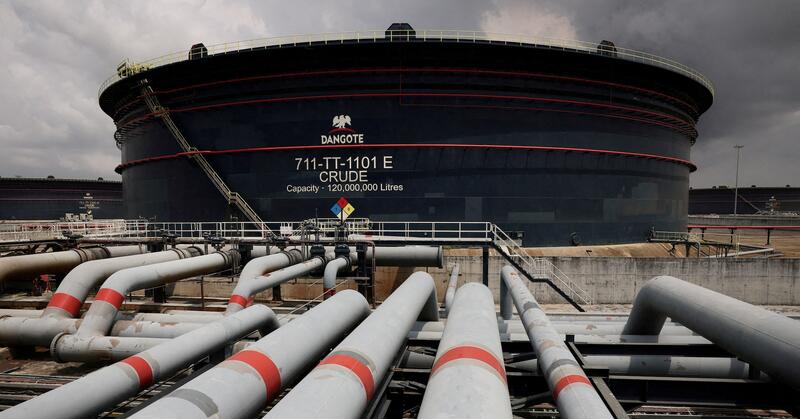
Aliko Dangote plans to start construction of his $16 billion oil refinery in Lamu, Kenya, in October 2026, advancing a project designed to reshape fuel supplies across East Africa and reduce the region’s reliance on imported refined products.
The Nigerian billionaire has also lowered the estimated cost of the project from about $17 billion to $16 billion. With capacity to process 700,000 barrels of crude oil a day, the refinery is intended to serve Kenya and several neighboring East African markets.
“By October this year, we will be groundbreaking. Once we break the ground, we will begin the construction,” Dangote said in an interview with the BBC last week. Construction is expected to take less than four years.
Once completed, the facility would become East Africa’s largest refinery and the second-largest on the continent after Dangote’s Lagos refinery, whose capacity is expected to increase from 650,000 barrels a day to 1.4 million within three years.
Lamu to Supply East Africa
Lamu was selected partly because of its strategic logistics position. Its deep-water port is connected to the LAPSSET corridor, which is designed to link Kenya’s coast with South Sudan and Ethiopia, giving the refinery access to markets beyond Kenya.
Dangote plans to supply refined products to Kenya, Uganda, Tanzania and South Sudan. The refinery is expected to help reduce these markets’ dependence on external supplies.
For Kenya, the project comes as the country has had no crude refining capacity since the shutdown of the Mombasa refinery. Nairobi is also seeking to develop domestic oil production in the Turkana basin.
The investment is expected to have an impact on employment as well. The Kenyan government estimates that the project could generate about 60,000 direct and indirect jobs across construction, engineering, logistics and related activities.
Lessons From Lagos
The lower projected cost is another major development. Dangote attributed the reduction to lessons from the construction of the Lagos refinery, a faster execution schedule and lower financing costs.
The project is expected to be financed with 30% equity and 70% debt. Securing the debt component will therefore be a key factor before construction can effectively begin.
Preparatory work is already underway, including soil studies, design and engineering. The Kenyan government has also established a dedicated committee and allocated seed funding under its national infrastructure framework.
Several steps still need to be completed before construction starts, particularly on the technical, environmental and financial fronts. The project is also located in an area where development of the LAPSSET corridor has previously faced challenges. In 2018, a Kenyan court identified shortcomings in consultations with affected communities.
October will therefore mark the project’s next concrete milestone. If the schedule is met, the Lamu refinery could eventually alter refined fuel supply routes across East Africa and give Dangote a second major refining hub on the continent after Lagos.
Related Articles

South African rand falls to 3-month low as soaring...
09 Mar, 2026 08:35
Aramco’s 13% rally helps Saudi stocks post second ...
13 Mar, 2026 08:02
IEA Members Coordinate Historic Oil Stock Release ...
16 Mar, 2026 08:24
NamPower warns N$700 million in unpaid bills threa...
17 Mar, 2026 08:20
Middle East oil becomes most expensive in the worl...
17 Mar, 2026 08:43
Libya’s NOC launches Faragh-Brega pipeline project...
17 Mar, 2026 09:32
TotalEnergies’ global output down 15% amid Middle ...
17 Mar, 2026 09:39
Why Ethiopia’s Gas-to-Fertilizer Bet Matters for E...
19 Mar, 2026 12:58
Alake Advocates Regional Hubs to Power Africa’s Mi...
23 Mar, 2026 10:09