Energy Other

Turkey’s dependence on Middle East oil at ‘low level’, minister says


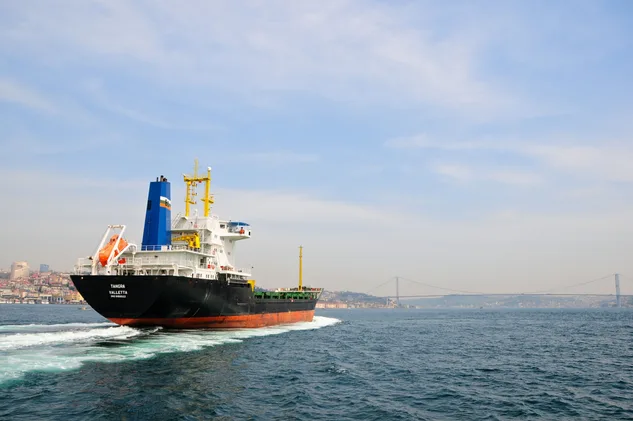
Turkey’s overall dependence on Middle Eastern oil is at a “low level” of around 10 percent, energy minister Alparslan Bayraktar has said.
Turkey’s exposure to the region remains limited, the state-run Anadolu news agency reported, quoting the minister. Nearly 20 percent of global oil normally flows through the Strait of Hormuz, which Iran has closed to most shipping since early March in response to US-Israeli strikes.
Ankara does not import natural gas from the Middle East and has diversified its LNG suppliers, which include the US, Bayraktar said.
The minister said the country is in a “safe position” on energy supply security, given its strong energy infrastructure and diversification policies.
The situation points to a growing supply-side problem globally, he said, adding there is no “visible crisis on the demand side yet”.
The crisis could be even more devastating if it continues over the medium to long term, Bayraktar warned, impacting the global economy as a whole.
Pakistan has delivered a peace proposal from the US to Iran, and either Pakistan or Turkey could be venues for discussions to de-escalate the war, Reuters reported on Wednesday, quoting a senior Iranian official.
Turkey’s annual energy import bill is about $65 billion, so every $10-a-barrel increase in oil costs will add between $4.5 billion and $5 billion to the current-account deficit, according to the Economic Policy Research Foundation of Türkiye (Tepav), an Ankara-based think tank.
Although Ankara’s largest gas supplier is Russia, which accounts for about 40 percent of domestic consumption via two pipelines under the Black Sea, Iran and Qatar are also major providers.
Tepav said Gulf producers supply up to a quarter of the 6 million tonnes of chemical fertiliser used in Turkey annually, so farm gate prices are set to increase while harvests may fall.
Turkey imports up to $1 billion in aluminium and aluminium products from Bahrain, Qatar and the UAE annually, materials essential for its large-scale automotive and white goods production. Plastics and petrochemical raw material imports are worth up to $2 billion.
Added to this, Tepav highlighted Turkish industries’ appetite for monoethylene glycol, a feedstock for polyester fibre used in textiles and packaging, with Gulf plants covering 40 percent of the Turkish market.
Mustafa Gültepe, president of the Turkish Exporters’ Assembly, said last week that Turkish exports to the Gulf had fallen around 40 percent since the outbreak of the conflict on February 28.
Related Articles
Kuwaiti oilfield comes onstream officially after 1...
22 Sep, 2025 12:56
African Energy Week (AEW) 2025: Unlocking the Pote...
22 Sep, 2025 13:22
South Africa warns illegal car imports threaten ne...
23 Sep, 2025 06:31
South Africa Confronts EU Carbon Border Mechanism...
23 Sep, 2025 12:33
South Africa, China Deepen Investment Ties in Key ...
24 Sep, 2025 07:35
Raysut Cement’s Expansion into Libya and North Afr...
24 Sep, 2025 07:40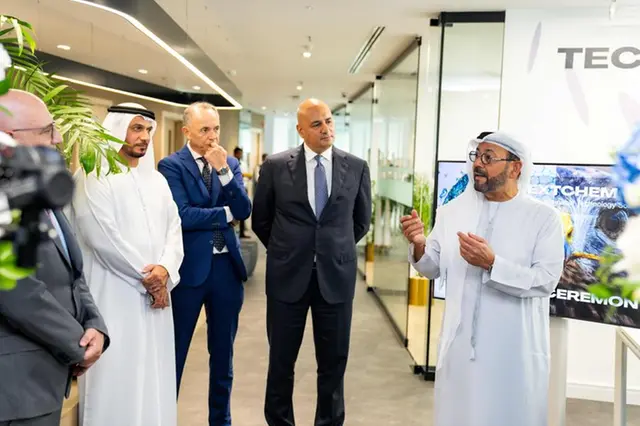
Nextchem opens regional office in Abu Dhabi...
24 Sep, 2025 08:10
Ghanaian students win top honours in IAEA’s Female...
24 Sep, 2025 09:32
Key Sectors Linking Mauritania and Gambia...
24 Sep, 2025 09:40