Energy Other

Senegal Warns Rising Oil Prices Could Push Fuel Subsidies Above $2 Billion


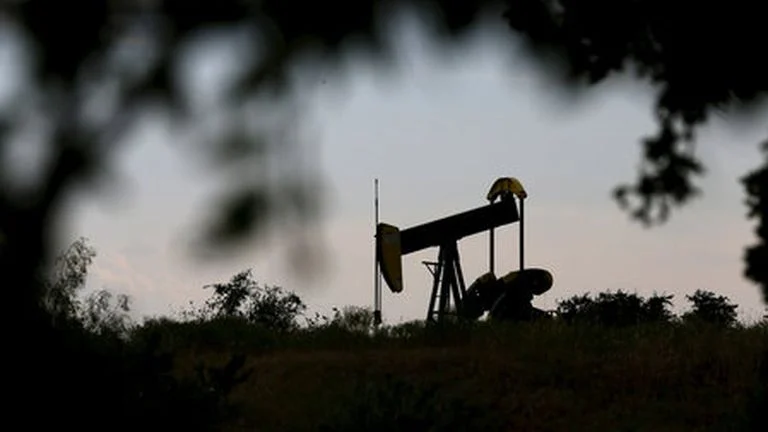
Senegal faces mounting pressure on its public finances as rising oil prices threaten to sharply increase fuel subsidy costs, adding to debt burdens inherited from the previous administration.
Finance Minister Cheikh Diba warned lawmakers on Friday, May 22, that fuel subsidies could exceed the CFA1,150 billion ($2 billion) allocated in the 2026 budget.
Reuters reported that the outlook depends directly on global oil prices. Senegal built its 2026 budget on an oil price assumption of $85 per barrel, a level that already requires CFA774 billion ($1.37 billion) in subsidies this year. However, if oil prices climb to $115 per barrel because of the war in Iran, subsidy costs could rise to CFA1,390 billion ($2.46 billion).
Former Prime Minister Ousmane Sonko, whom authorities dismissed on Friday, said such spending would represent about one-fifth of the country’s total state budget. Senegal initially allocated only CFA250 billion ($442 million) for fuel subsidies before the Middle East conflict drove oil prices higher.
To reduce the fiscal burden, Diba proposed increasing fuel prices at the pump. However, the government rejected the proposal.
“As soon as the crisis erupted, I approached the Prime Minister to propose increasing prices and sharing the burden with the population. The response has so far been negative,” Diba said.
Longstanding Exposure to Oil Price Shocks
Senegal has spent heavily for years to keep energy prices affordable. Subsidies for electricity, gas and fuels reached CFA750 billion ($1.33 billion) in 2022, equivalent to 4.4% of gross domestic product, according to the 2024 finance bill. Economist Amath Ndiaye said every $1 increase in oil prices costs the state budget roughly $20 million. Import figures also underline Senegal’s vulnerability. The country spent more than CFA1,600 billion ($2.83 billion) on imported petroleum products between 2022 and 2024.
To ease the burden, the government launched a roadmap in 2023 to gradually phase out subsidies. The International Monetary Fund viewed the reform as a way to rebuild Senegal’s fiscal space.
Senegal nevertheless gained a new advantage after becoming a hydrocarbon producer. The country started producing crude oil from the Sangomar field in June 2024 and began exporting gas through the GTA project in February 2025. Those revenues helped authorities lower pump prices in December 2025.
However, the improvement proved short-lived. The war in Iran reversed the trend, pushed oil prices higher and renewed pressure on the state budget.
In response, Dakar has tried to build a longer-term strategy. In March 2026, the government activated a plan centered on natural gas to produce cheaper electricity and reduce the country’s import bill by 2027.
Related Articles
Kuwaiti oilfield comes onstream officially after 1...
22 Sep, 2025 12:56
African Energy Week (AEW) 2025: Unlocking the Pote...
22 Sep, 2025 13:22
South Africa warns illegal car imports threaten ne...
23 Sep, 2025 06:31
South Africa Confronts EU Carbon Border Mechanism...
23 Sep, 2025 12:33
South Africa, China Deepen Investment Ties in Key ...
24 Sep, 2025 07:35
Raysut Cement’s Expansion into Libya and North Afr...
24 Sep, 2025 07:40
Nextchem opens regional office in Abu Dhabi...
24 Sep, 2025 08:10
Ghanaian students win top honours in IAEA’s Female...
24 Sep, 2025 09:32
Key Sectors Linking Mauritania and Gambia...
24 Sep, 2025 09:40