Energy Markets

Oil prices soften on Middle East’s conditional pause with Brent at $93.56 and WTI at $90.27



Oil prices softened during Tuesday’s trading session, reversing the majority of the previous day’s gains as diplomatic efforts provided a temporary reprieve from escalating hostilities. The shift occurred after both Iran and Israel signaled a pause in their reciprocal military strikes, prompted by a direct appeal from U.S. President Donald Trump, although both nations simultaneously cautioned that the cessation of hostilities remains conditional and subject to change.
The retreat in pricing was evident across major benchmarks during early trading hours. Brent crude futures slipped by 69 cents, representing a 0.73 percent decline, which brought the price to $93.56 a barrel by 08:30 UAE time. Simultaneously, U.S. West Texas Intermediate saw a deeper decline of $1.03, or 1.13 percent, settling at $90.27 a barrel. This downward movement followed a volatile start to the week, during which prices had surged by as much as 5 percent in response to renewed Israeli strikes on Iran and operations within Lebanon, which had significantly dimmed market expectations for a near-term conclusion to the broader regional conflict.
Diplomatic intervention and ongoing risks
The market’s recalibration followed an announcement from Iran’s armed forces confirming the end of military operations against Israel, immediately after President Trump issued a public call for all parties to stop shooting. Despite this development, the situation remains precarious. Tehran has stated that it will resume military actions if Israel continues its campaign against Hezbollah in Lebanon. Furthermore, Israeli Prime Minister Benjamin Netanyahu issued a stern warning in a televised video statement, asserting that Israel will respond with force should Iran launch further attacks. These warnings are underscored by reports of a conversation between President Trump and Prime Minister Netanyahu, where the U.S. President allegedly warned that Israel might find itself fighting without U.S. support if it chose to reignite the conflict with Iran.
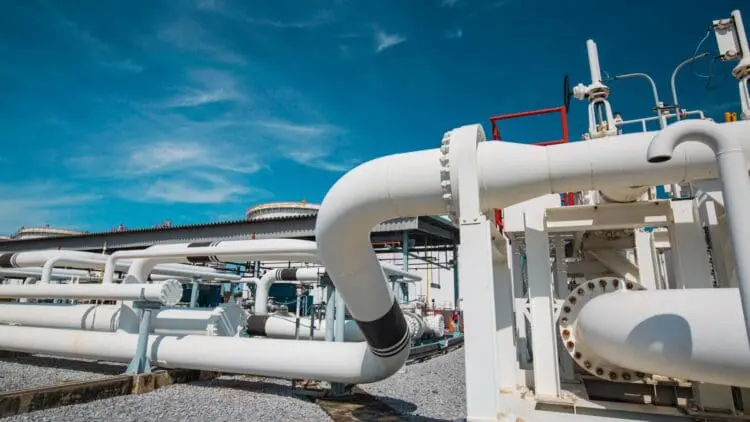
A central priority for Washington in ongoing peace negotiations remains the reopening of the Strait of Hormuz, a vital maritime artery for global energy transit. Prior to the commencement of U.S. and Israeli airstrikes on Iran in late February, this narrow waterway facilitated the passage of approximately one-fifth of the world’s total oil supply. As peace talks evolve, the status of this transit corridor remains one of the most critical variables for long-term stability in energy markets, reflecting the deep integration between regional security and the global economy.
Related Articles

Renewable Energy Storage Market 2025 Forecast - La...
21 Oct, 2025 07:12
Solar power mistake in South Africa costs homeowne...
21 Oct, 2025 07:54
An Investor’s Guide to Africa...
21 Oct, 2025 09:47
Doha Strike Shakes Global Energy Assumptions...
22 Oct, 2025 13:01
GCC and Russia Deepening ties in a multipolar Midd...
23 Oct, 2025 11:59
Tesla prepares first steps into Africa with Morocc...
23 Oct, 2025 13:29
Off-Grid Solar Energy Market to grow at 17.42 GW b...
23 Oct, 2025 13:39
Petroleum Institute Urges Early Take Off of Africa...
23 Oct, 2025 13:45
Algeria inks $5.4 billion energy pact with Saudi M...
23 Oct, 2025 14:03