Energy Markets

Oil prices slip 0.48 percent to $79.47 as tankers resume transit through Strait of Hormuz



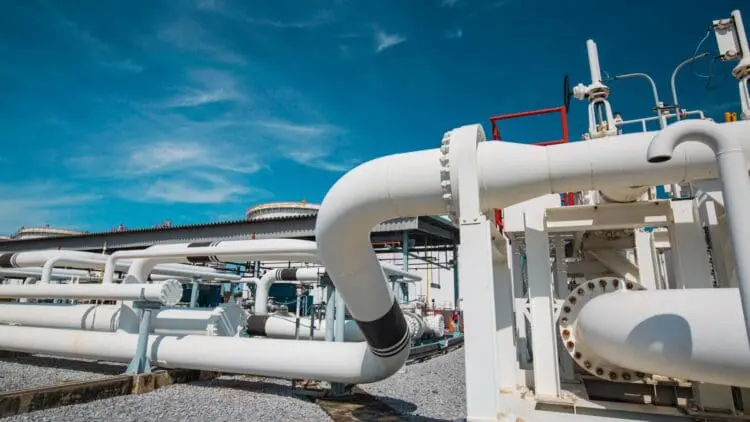
Oil prices fell on Friday as the prospect of higher global supply strengthened after oil tankers resumed transiting the Strait of Hormuz.
By 8:28 UAE time, Brent crude futures had declined 38 cents, or 0.48 percent, to $79.47 a barrel, while U.S. West Texas Intermediate crude slipped 23 cents, or 0.30 percent, to $76.37 a barrel, with the July front-month contract due to expire on Monday.
On Thursday, both benchmark contracts reached their lowest levels since early March after several tankers, including three Saudi-flagged vessels carrying a combined 6 million barrels of crude, passed through the waterway just hours after the presidents of Iran and the United States signed an interim agreement aimed at ending the conflict between the two countries.
Supply outlook
Market analysts expect the agreement to release more than 85 million barrels of oil that had been stranded in the Middle East Gulf, while the planned lifting of U.S. sanctions on Iranian oil is also expected to increase global supplies. Before the conflict, nearly one-fifth of the world’s oil and liquefied natural gas passed through the Strait of Hormuz, and analysts believe trade could gradually return to normal if the agreement remains in place.
Producers across the region have already begun restoring exports, with Kuwait Petroleum Corporation lifting all force majeure notices issued during the conflict and Iraq confirming its oilfields are prepared to resume production, with output expected to return gradually to previous levels. However, ongoing Israeli military operations against Hezbollah in Lebanon have raised questions about the durability of the U.S.-Iran agreement. Additional uncertainty emerged after U.S. Vice President JD Vance withdrew from a planned meeting with Iranian negotiators in Switzerland, adding fresh caution to market sentiment.
Related Articles

Renewable Energy Storage Market 2025 Forecast - La...
21 Oct, 2025 07:12
Solar power mistake in South Africa costs homeowne...
21 Oct, 2025 07:54
An Investor’s Guide to Africa...
21 Oct, 2025 09:47
Doha Strike Shakes Global Energy Assumptions...
22 Oct, 2025 13:01
GCC and Russia Deepening ties in a multipolar Midd...
23 Oct, 2025 11:59
Tesla prepares first steps into Africa with Morocc...
23 Oct, 2025 13:29
Off-Grid Solar Energy Market to grow at 17.42 GW b...
23 Oct, 2025 13:39
Petroleum Institute Urges Early Take Off of Africa...
23 Oct, 2025 13:45
Algeria inks $5.4 billion energy pact with Saudi M...
23 Oct, 2025 14:03