
مجالات التعدين الأخرى

M23 Fighters Tortured Miners, Trafficked Minerals to Rwanda


By: OrePulse
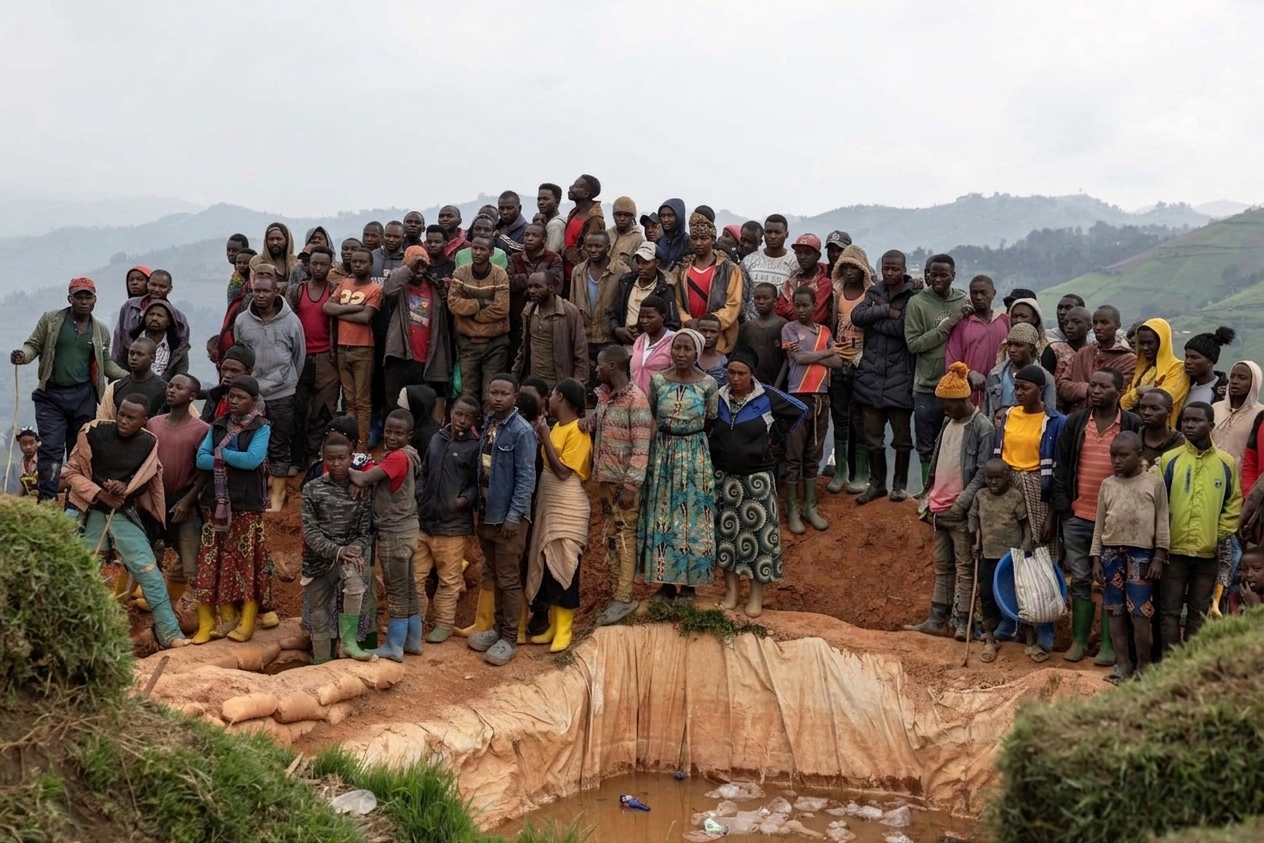
Fighters from the Rwanda-backed M23 armed group killed, tortured, and forced artisanal miners to work at gunpoint in eastern Democratic Republic of Congo, then trafficked the gold and coltan they extracted across the border into Rwanda, according to a new Amnesty International briefing.
The rights group's briefing, titled "DRC: We didn't come to play: M23 abuses at artisanal mines and the trafficking of gold and coltan to Rwanda," found that fighters compelled miners to labor underground for stretches exceeding a week at coltan sites near Rubaya, in North Kivu province, and at the Lomera gold site in South Kivu. Amnesty International said the pattern of abuse, including torture, arbitrary detention, forced labor, forced recruitment and killings, may amount to war crimes.
Agnes Callamard, Amnesty International's secretary general, said the abuses were intended to punish and terrorize miners and nearby residents as minerals moved into Rwanda, which she said had continued to profit from Congo's mineral wealth. She called on the African Union and its member states to act more forcefully against what she called pillage driven by global demand for critical minerals, warning that failing to unite against it would only invite further abuses. She urged the wider international community to stop staying silent on M23's conduct, mineral smuggling out of conflict zones and Rwanda's role, and to hold those responsible — including Rwandan officials — accountable.
Amnesty International urged governments and companies to suspend purchases of coltan and gold originating in Rwanda, along with processors and refiners elsewhere that bought from Rwandan suppliers, until Rwanda's government demonstrated it had stopped receiving minerals smuggled from Congo. It also called on Rwandan authorities to keep armed personnel and other Rwandan nationals out of the abuses at Lomera and Rubaya. It urged the United States and European Union not to pursue mining agreements tied to Rubaya or other M23-held mines unless independent observers were given full access.
M23 controlled dozens of artisanal mining sites in North and South Kivu that tens of thousands of people depended on for income, closely restricting who could enter and barring independent oversight, the briefing said.
Amnesty International based its findings on interviews with 26 people, including miners, mining-sector specialists, shaft owners and relatives of victims, along with photo and video evidence collected from the mining sites. Testimony pointed to a Rwandan presence at both Rubaya and Lomera: some Rwandans reportedly worked there as civilian miners or shaft managers but also fought alongside M23 when called on. At the same time, guards who said they were Rwandan and spoke Kinyarwanda were said to have worked with M23 and to have beaten and mistreated miners. Neither M23 nor Rwandan officials responded to Amnesty International's request for comment.
Amnesty International said 18 artisanal miners were killed at the two sites — ten beaten to death, two shot, and six who had been abducted were later found dead. Among them, the group said, was a 22-year-old identified by the pseudonym Evariste, who left behind a wife and an infant daughter. A witness described him as gravely injured and unable to speak or stand, his body covered in blood, before he died. Another miner said he watched his brother beaten to death with a pickaxe and was jailed for two weeks without pay after reporting the killing to M23; his brother, he said, was buried inside the mine shaft.
Sixteen more miners and residents near the mines said they had been tortured or mistreated by M23 fighters or allied guards, some beaten unconscious for taking breaks, refusing to hand over minerals or committing minor infractions. One mining supervisor described armed fighters threatening to kill workers who resisted surrendering extracted material. Near Rubaya, M23 reportedly turned three shipping containers into detention cells; one person interviewed said he could make out detainees' screams from inside. In Lomera, the group said M23 detained four men on suspicion of contacting Kinshasa authorities and having ties to the Wazalendo militia; one victim recalled being threatened with death and with having a weapon planted on his body to brand him a combatant falsely. Amnesty International also documented underground pits known as ndake, where more than 20 Rubaya miners were held and beaten three times daily. It said seven miners described threats of forced transfer to M23 training camps unless they paid ransoms.
On trafficking, Amnesty International said miners, mining representatives and its own evidence-gathering team traced gold-bearing soil from Lomera as it was ferried by boat from the Port of Lomera to a receiving site in Kamembe, a town in Rwanda's Western Province, where traders reportedly collected shipments each morning, and additional boats arrived after dark. The volume of gold and coltan moving into Rwanda, often with what the group called the complicity of Rwandan and M23 leaders, made it likely Rwanda was directly engaged in pillaging Congolese resources — itself a potential war crime.
Callamard said the findings should warn Rwanda that its nationals may bear individual criminal responsibility for helping traffic pillaged minerals, and that the Rwandan state itself could bear responsibility for the abuses if Rwandans operating in the mines were acting under government direction or control.
Amnesty International said international standards required states and companies across the supply chain, not only those extracting the minerals, to prevent and respond to such harms, and that corporations sourcing minerals from Rwanda, or from smelters buying from Rwandan suppliers, could no longer plead ignorance and could face criminal exposure for complicity in war crimes.
مقالات ذات صلة
Rio Tinto approves ~R8.5bn Zulti South investment,...
03 مارس, 2026 07:12
Premier African Minerals to receive spodumene flot...
03 مارس, 2026 07:35
US struggling to de-risk Congo's 'war zone mineral...
03 مارس, 2026 08:03
Nigeria, AFC sign $1.3B deal set to be country's b...
03 مارس, 2026 08:07
Can Africa’s mining and natural resources sector a...
03 مارس, 2026 08:57
Africa in focus: Downstream value and the critical...
03 مارس, 2026 11:02
Africans for Africa (AFA) advances strategic Respo...
03 مارس, 2026 12:01
Zimbabwe export ban a temporary dent on lithium su...
04 مارس, 2026 09:07
Can Africa’s Mining Reforms Deliver Billions in In...
04 مارس, 2026 10:56