Mining Other

Can Africa’s mining and natural resources sector avoid the “rinse-repeat” cycle?


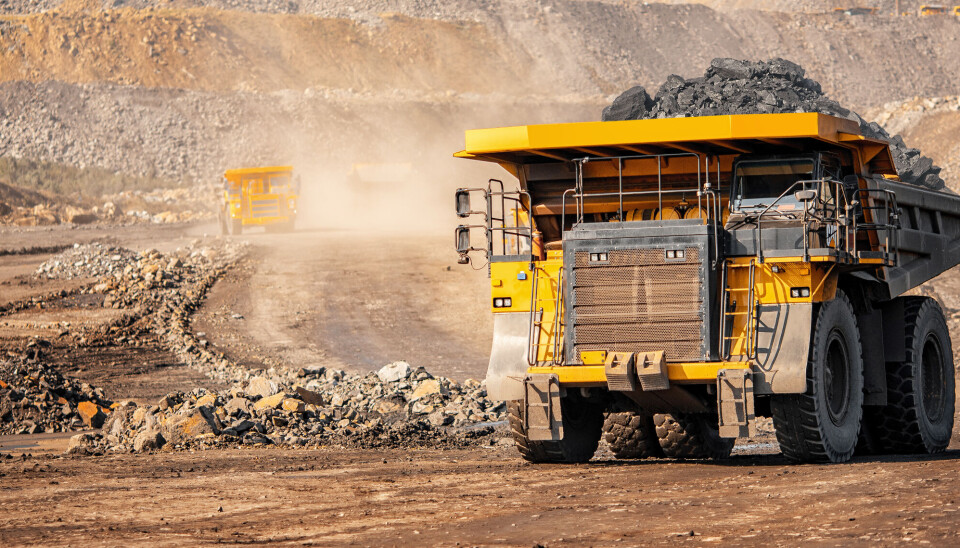
In February 2026, Cape Town again hosted the prestigious mining and natural resources – critical Investing in African Mining Indaba (Mining Indaba).
Mining Indaba has developed into a multi-faceted facilitator of constructive engagement and dialogue on key elements impacting on Africa’s Mining and Natural Resources Sector and remains one of the most important opportunities for all stakeholders to both take stock and develop a forward – looking approach which identifies what is necessary for a sustainable African Mining and Natural Resources Sector.
The range of participants has also expanded significantly, reflecting a key trend towards recognition that opportunities present themselves across the full value chain from extraction through to end user, and the acknowledgment that enhanced benefits can only be realised for all stakeholders by developing the value chain, further.
The key theme of Mining Indaba 2026 “Stronger Together” was also a reflection of this shifting focus.
Africa’s Mining and Natural Resources Sector, like many sectors, can get caught up in a cycle of “rinse-repeat”, where expectations are not met because stakeholders do not evolve to meet the challenges of the ever-changing mining and natural resources landscape. Singular focus often leads to “tunnel vison” and missed opportunities. When so much is going on, there is often a temptation to keep one’s head down and continue doing what seems to be working. While getting the basics right often leads to success, this doesn’t mean that the formula will keep working.
2025 again taught the Mining and Natural Resources Sector extremely harsh lessons including that geopolitics can change a status quo overnight, new governments can undo decades-long commercial arrangements, mining executives can be detained, equipment convoys can be hijacked, mining operations can be taken over, communities can revoke the “social licence” leading to disruption of mining operations, and natural and other disasters can happen which have far-reaching consequences and long – lasting effects.
To avoid a repeat of 2025, it is clear that something different is required from the Mining and Natural Resources Sector – what may have worked in 2025 is only a starting point.
There must be a shift in focus from the narrative that a single element is capable of providing a solution to all of the challenges faced by the Mining and Natural Resources Sector. Far too often, the Mining and Natural Resources Sector has expressed the view that “regulatory and policy certainty” is the element that will address all investor concerns and will provide the bedrock of a system which is stable and investor – friendly.
Policy and regulatory certainty remains an important element of an investor-friendly ecosystem, but events in 2025 (and in prior years) show that other elements are equally important including acknowledging the critical role of communities in obtaining and maintaining the “social licence” in addition to formal licences and authorisations, ensuring that decision-makers have a full and proper understanding of the legal and regulatory landscape in a particular country including local content requirements so that proper decisions can be taken, early identification and engagement with stakeholders including government, building proper local capacity, collaboration with other stakeholders (the “go it alone” approach has generally been unsuccessful), and allocating appropriate resources to achieve all required objectives and avoid the consequences that flow from unmet stakeholder expectations.
There must also be a shift from Africa’s historical focus on its vast mineral resources available for extraction. This is also only a starting point, and the historical focus on “what’s in the ground” and extraction has possibly distracted attention away from unlocking benefits across the full value chain, including potential value – add from beneficiation and development of infrastructure that is needed to get the mineral from extraction to market alongside ancillary industries that, collectively, support growth, development and transformation.
The automotive manufacturing industry has also recently experienced significant shifts with legacy motor manufacturers facing increased pressure, predominantly from manufacturers in Japan, China and South Korea where vehicles are being produced more cost-efficiently through innovations such as the “just in time” parts and component availability, and securing key minerals, at source, to control the value chain. An important element is the enhanced built-in electronics and technology included in the purchase price. The automotive industry can provide good lessons around the more holistic view of the value chain and maximising opportunities based on security of supply, availability, planning and ordering systems and programmes, and of course, the integration of technology across all processes.
As demand grows for vehicles produced by these trend-setting auto manufacturers, so does the demand for the minerals that are essential in every motor vehicle. Collaboration with the automotive industry, and key learnings, can introduce efficiencies and improvements into the Mining and Natural Resources Sector.
Another change required, is to acknowledge that, while citizens of a country must benefit from the extraction and beneficiation of its natural resources, cumulative benefits flow from cross-border collaboration and development of regional, and even continent-wide infrastructure. The Lobito Corridor is a good example and aims to speed up exports of critical minerals such as copper and cobalt, to global markets, with a focus on job creation, regional trade, and unlocking value through beneficiation.
This comment is likely to be controversial. The shifting trend from a regimented implementation ESG (Environment, Social and Governance) back to broader sustainability imperatives may assist in unlocking further benefits. I accept the importance of ESG but I have also seen several projects which have objectively demonstrable benefits, and which were supported by local economies and communities, not proceed because of an overly rigid application of ESG principles.
The Mining and Natural Resources Sector has the potential to continue providing the catalyst for growth and remain the core of any thriving economy. It is unfortunate that related industries such as the automotive industry, manufacturing industry and agricultural industry also contract when the Mining and Natural Resources Sector struggles. A healthy Mining and Natural Resources Sector means a broader, healthier economy.
It is vital for a collaborative approach to be adopted by the Mining and Natural Resources Sector and for the Mining and Natural Resources Sector to refocus towards a broader emphasis on the full value chain, and the implementation of investor-friendly ecosystems that acknowledge the critical importance of sharing value amongst all stakeholders to achieve the ultimate goal: shared value through participation.
Related Articles
Endeavour announces transaction in own shares...
10 Sep, 2024 07:27
Ivanhoe Mines Announces MOU with Government of Zam...
10 Sep, 2024 12:24
Feasibility Study on Lumwana Super Pit Expansion E...
12 Sep, 2024 14:21
Endeavour achieves commercial production at BIOX e...
13 Sep, 2024 08:20
Roscan Gold Announces Changes to the Board of Dire...
16 Sep, 2024 10:40
Minerals Council pays tribute to Pravin Gordhan...
16 Sep, 2024 12:17
Notification of an acquisition of beneficial inter...
18 Sep, 2024 08:39
Newmont on track to get at least $2 billion from a...
18 Sep, 2024 10:49
UAE firm plans to invest $500m in Tanzania...
19 Sep, 2024 08:37