Energy Other

Kenya power warns rising wind and solar dependence could test grid stability and electricity costs


By: African Sustainability Matters
Kenya Power has called for a more balanced approach to integrating variable renewable energy (VRE) into the national electricity system, warning that the rapid growth of wind and solar generation is creating new challenges for grid stability, system flexibility and the cost of electricity. The utility’s warning comes as Kenya seeks to expand clean energy while maintaining a reliable power supply for households, businesses and industry.
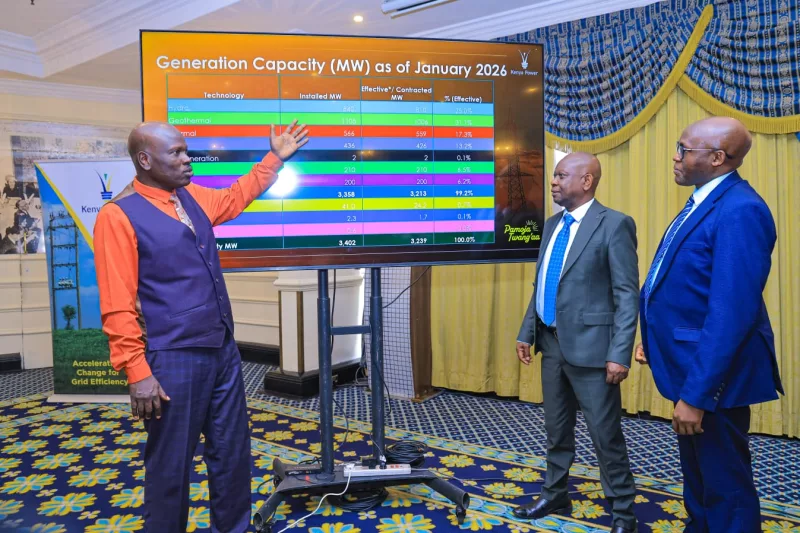
Kenya Power Managing Director and Chief Executive Officer Dr. (Eng.) Joseph Siror said variable renewable sources currently account for about 34% of the energy mix during periods of peak demand of around 1,900 megawatts and 36% when demand falls to approximately 1,200MW. The utility argues that sharp changes in wind and solar output can leave the grid exposed to sudden supply gaps or surpluses, increasing the need for other generators to balance the system. The remarks were reported on August 11, 2026, as the utility intensified discussion around the implications of Kenya’s rapidly changing generation mix.
Kenya’s renewable-energy transition has positioned the country as one of Africa’s leaders in clean electricity generation. The International Energy Agency said in March 2026 that nearly 90% of Kenya’s electricity generation mix was derived from renewable sources, while the country had reached an electricity-access rate of about 79% in 2025. But the agency also warned that increasing VRE penetration is placing greater demands on system operations and that generation capacity alone will not be enough to maintain a reliable electricity system.
The central issue is the difference between renewable energy and variable renewable energy. Geothermal and much of Kenya’s hydropower can provide relatively predictable or dispatchable electricity, while solar generation changes with daylight and cloud cover and wind generation can fluctuate significantly depending on weather conditions. As the share of these variable sources increases, the power system requires sufficient flexibility to respond when their output changes.
Siror said Kenya Power is therefore seeking greater attention to the system costs associated with integrating VRE. Under the current power-purchase arrangements, he argued, the utility can be required to take and pay for electricity from contracted generators while simultaneously maintaining additional generation capacity to compensate when wind and solar production declines.
That challenge has become increasingly visible in Kenya’s electricity system. A May 2026 report by Business Daily said Kenya Power had experienced electricity rationing when wind generation fell sharply, particularly during evening periods when electricity demand rises and solar generation is no longer available. The report said wind and solar plants accounted for nearly one-fifth of electricity supplied to Kenya Power and lacked sufficient battery storage to shift their daytime or high-wind output into peak-demand periods.
Kenya Power has argued that battery storage alone may not resolve the challenge. Siror said storage systems still require electricity to charge and can face difficulties when wind and solar output falls for extended periods. The utility is consequently advocating greater investment in firm generation capacity, particularly geothermal and hydropower, which can provide stability and flexibility alongside variable renewable sources.
The debate is significant because Kenya is not seeking to reverse its renewable-energy transition. Instead, the issue is how to integrate increasing quantities of wind and solar without compromising reliability or placing unnecessary pressure on electricity prices. The IEA has identified flexibility, energy storage, ancillary services and improved market arrangements as key pillars for Kenya as the country moves into a phase where variability increasingly affects system operations.
Kenya’s position within the Eastern Africa Power Pool further illustrates the scale of the transition. According to the figures cited by Kenya Power, Kenya has a considerably higher share of variable renewable energy than several regional peers, including Egypt, Ethiopia, Uganda and Tanzania. This gives Kenya an opportunity to remain a regional renewable-energy leader, but it also means the country is confronting grid-integration challenges earlier and at greater scale.
The utility is consequently placing renewed emphasis on baseload and firm generation. Projects identified for additional capacity include KenGen’s Olkaria developments, geothermal projects at Menengai, electricity imports from Ethiopia, and prospective geothermal developments such as Paka-Silali. The strategy is aimed at ensuring that Kenya has sufficient dependable generation to complement wind and solar production.
Hydropower is also expected to play a role. Plans to raise the Masinga Dam water level by 1.5 metres are projected to increase annual electricity production, while larger proposed developments include the High Grand Falls hydropower and irrigation project and the 90MW Karura hydropower project.
The High Grand Falls and Karura projects are already part of Kenya’s public investment and PPP pipeline. The National Treasury’s April 2026 project status report identifies High Grand Falls as a proposed hydropower and irrigation project whose generation capacity could reach 700MW, while Karura is proposed as a 90MW hydropower project designed partly to strengthen grid stability and provide an alternative to thermal peaking generation.
The government has also identified the two projects as strategic investments. Treasury officials have said the combined 790MW of proposed capacity would support industrialisation, digital transformation and emerging technologies, alongside transmission investments required to strengthen the national grid.
For Kenya, however, expanding firm generation is only one part of the solution. The country will also need stronger transmission infrastructure, demand-side management, improved forecasting, flexible power markets and carefully designed storage systems. The IEA’s assessment suggests that Kenya’s next phase of renewable-energy development will require changes not only in how electricity is generated but also in how the entire power system is operated.
This has important implications for Kenya’s climate and development agenda. A reliable clean-energy system is increasingly important as the country seeks to electrify transport, expand electric cooking, support manufacturing and attract energy-intensive digital industries. Kenya Power itself has reported rapid growth in electricity demand from electric mobility, with cumulative e-mobility revenue reaching KSh382 million by May 2026.
The challenge is therefore not simply whether Kenya should build more renewable energy. It is whether the country can build a power system capable of absorbing renewable electricity at scale while keeping electricity reliable and affordable.
For investors, the emerging policy direction could create opportunities across geothermal development, hydropower, grid infrastructure, battery storage, forecasting technologies, demand-response systems and other flexibility solutions. Kenya’s experience could also become increasingly relevant to other African markets that are preparing for much larger shares of solar and wind generation.
The country’s renewable-energy success has demonstrated that rapid decarbonisation of electricity generation is possible in an African market. The next stage will require equal attention to the infrastructure and institutions that make renewable electricity dependable.
Kenya Power’s warning therefore should not be interpreted as a rejection of wind and solar power. Rather, it highlights a central challenge of the energy transition: clean generation must be matched with sufficient flexibility, storage and firm capacity to ensure that electricity remains available when consumers need it most.
For Kenya, the long-term objective will be to move from simply adding renewable generation to building a resilient, flexible and affordable renewable electricity system. Achieving that balance will be critical to the country’s industrialisation ambitions, climate commitments and position as a clean-energy leader in Africa.
Related Articles
Kuwaiti oilfield comes onstream officially after 1...
22 Sep, 2025 12:56
African Energy Week (AEW) 2025: Unlocking the Pote...
22 Sep, 2025 13:22
South Africa warns illegal car imports threaten ne...
23 Sep, 2025 06:31
South Africa Confronts EU Carbon Border Mechanism...
23 Sep, 2025 12:33
South Africa, China Deepen Investment Ties in Key ...
24 Sep, 2025 07:35
Raysut Cement’s Expansion into Libya and North Afr...
24 Sep, 2025 07:40
Nextchem opens regional office in Abu Dhabi...
24 Sep, 2025 08:10
Ghanaian students win top honours in IAEA’s Female...
24 Sep, 2025 09:32
Key Sectors Linking Mauritania and Gambia...
24 Sep, 2025 09:40