Metal Markets

Gold prices slip below $4,000 on rising Fed rate hike bets and stronger dollar


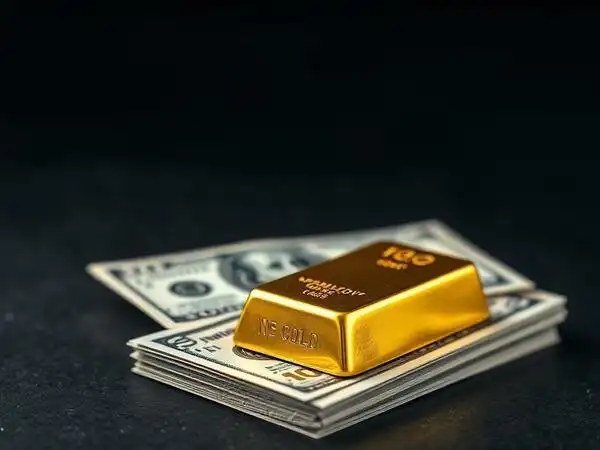
Gold prices continued to decline on Thursday, remaining near their lowest level in over seven months as a stronger U.S. dollar and rising expectations of additional Federal Reserve interest rate hikes reduced the appeal of the non-yielding asset.
Spot gold fell 0.06 percent to $3,996.72 per ounce as of 4:24 GMT, while U.S. gold futures gained 0.07 percent to $4,011.60 per ounce.
In the UAE, gold rates declined AED0.75, with 24-carat gold and 22-carat gold reaching AED485.75 and AED449.75, respectively.
In addition, 21-carat gold edged AED0.75 lower to AED431.25, while 18-carat gold fell to AED370.25.
Meanwhile, 14-carat gold fell AED0.5 to AED288.25.
Gold falls 30 percent from January’s all-time high
Gold prices fell below the $4,000-an-ounce threshold for the first time since November 2025 on Wednesday. The metal has now retreated almost 30 percent from the all-time high of $5,595.46 per ounce reached in January.
The losses came as the U.S. dollar held near a 13-month high after advancing for a sixth consecutive session, buoyed by growing expectations that the Federal Reserve could raise interest rates later this year.
According to CME FedWatch data, markets are currently pricing in about a one-in-three chance of a rate hike in July and a 66 percent likelihood of monetary tightening by September.
A stronger dollar typically weighs on gold by making the precious metal more expensive for holders of other currencies, while higher interest rates reduce its attractiveness by increasing the opportunity cost of holding a non-yielding asset.
“The primary headwind remains the market’s reassessment of the U.S. rate outlook following last week’s hawkish FOMC meeting. The combination of higher bond yields, a firmer dollar and expectations that policy rates may remain elevated for longer continues to challenge investor appetite for non-yielding assets,” said Ole Hansen, Head of Commodity Strategy, Saxo Bank.
“While still seeing higher prices at the end of the year, several major investment banks have lowered their gold forecasts in recent weeks, reflecting a more cautious outlook for bullion under a higher-for-longer rate environment,” he added.
Investors await key U.S. inflation data
The latest decline in gold prices reflected a broader pullback in safe-haven demand. Improved sentiment following progress in U.S.-Iran peace efforts, coupled with lower oil prices, has reduced some of the geopolitical risk premium that had helped support the metal earlier this year.
“While the current correction has been painful, it is important to distinguish between tactical market drivers and longer-term fundamentals. For gold, central bank buying, ongoing fiscal concerns, elevated debt levels and geopolitical uncertainty continue to provide structural support,” added Hansen.
Investors are now focused on upcoming U.S. Personal Consumption Expenditures (PCE) data — the Federal Reserve’s preferred measure of inflation — for fresh signals on the future path of monetary policy.
“For now, markets remain focused on the short-term macro backdrop. However, if energy prices continue to retreat and inflation pressures ease, attention may gradually shift back towards the underlying fundamentals that continue to support the metals complex over the medium and longer term,” he said.
Other precious metals
Elsewhere in the market, precious metals tracked gold prices lower. Silver fell 0.17 percent to $57.33 per ounce after tumbling more than 6 percent in the previous session.
Platinum also extended losses, slipping 0.86 percent to $1,571.64 per ounce following a 4.5 percent decline on Wednesday, while palladium gained 0.19 percent to $1,179.75.
Related Articles

Saudi Arabia champions global partnerships to powe...
21 Oct, 2025 06:51
Can Turkey Become a Rare Earth Element Power?...
23 Oct, 2025 13:24
Orion Minerals Set to Develop Secure, Responsible,...
23 Oct, 2025 14:12
Investing in Platinum Stocks...
24 Oct, 2025 06:56
Copper And Aluminum Prices Climb As Supply Worries...
24 Oct, 2025 07:09
Dubai 24-carat gold prices dip AED3.75 as global r...
24 Oct, 2025 12:06
Bauxite sales up but tariffs on Chinese metal ship...
27 Oct, 2025 13:15
Angola bids for majority stake in De Beers, source...
28 Oct, 2025 07:02
Dubai 24-carat gold price today drops AED479; glob...
28 Oct, 2025 08:15