
مجالات الطاقة الأخرى

Fuel Spike Sparks Syria’s Post-Assad Breaking Point As Oil Routes Go Dark


By: OrePulse
Streets in several Syrian cities filled with demonstrators this week after officials pushed through a steep increase in fuel prices, igniting some of the sharpest public frustration seen since Bashar al-Assad's government fell in December 2024.
A Sudden Jump at the Pump
Starting at midnight on Sunday, a new pricing schedule took effect: diesel climbed by roughly 40%, while gasoline rose between 25% and 28%, depending on the grade. Cooking gas for homes and factories went up by about 9%. In concrete terms, a liter of 95-octane gasoline rose from 152 to 195 Syrian pounds, 90-octane from 147 to 185, and diesel from 125 to 175 per liter.
Authorities described the hike as a short-term measure rather than a permanent shift, blaming rising costs for imported refined fuel, strain across global supply networks, and limits on what the country can produce domestically.
Streets, Highways and Oil Routes Blocked
Crowds turned out in Aleppo, Idlib, Hasakah, Raqqa, Deir ez-Zor, Daraa, Hama, and smaller towns including Khan Sheikhoun and Maarat al-Numan. Motorists and residents shut down the highway connecting Damascus and Aleppo for hours, while others set tires ablaze near the road leading toward the Turkish border.
The unrest wasn't confined to city streets. In Hasakah and Deir ez-Zor, crowds obstructed routes normally used by crude oil tankers, and locals reportedly severed a bridge crossing linking Syria to Iraq near al-Bukamal. Residents of al-Shahil blocked the road to a nearby oilfield, halting tanker traffic altogether. In Raqqa, drivers of trucks and delivery vehicles staged a sit-in near a grain storage site, keeping the route to the silos closed. Some accounts also mentioned gunfire aimed skyward by security forces attempting to break up crowds in rural areas, though no casualties had been confirmed at the time.
Lawmakers Demand Answers
The fallout reached Syria's legislature, where more than fifty members of the People's Assembly signed a petition calling for Energy Minister Mohammed al-Bashir to face questioning over the decision and its fallout for ordinary households. The assembly confirmed a hearing would take place Thursday at noon, requested under provisions in the country's constitutional declaration and the body's own internal rules.
Speaking publicly, al-Bashir attributed the price jump to a mix of pressure from international markets and constraints on what Syria can supply at home.
Why the Government Says It Had to Act
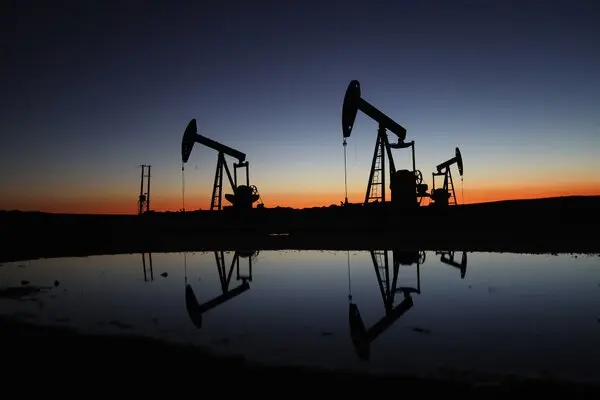
Officials point to a widening gap between what Syria consumes and what it can produce. The country pulls roughly 100,000 barrels of oil from the ground daily, according to energy officials, while national demand runs close to three times that figure. To make up the difference, Damascus has been importing large volumes of Russian crude this year.
Adding to the squeeze, the Baniyas refinery — Syria's largest fuel-processing facility — shut down this month for what officials describe as its first thorough overhaul since Assad's ouster. The three-month project is meant to lift the plant's output from 80,000 to 130,000 barrels a day once finished.
Longer term, Washington has thrown its weight behind an ambitious pipeline plan that would stretch roughly 1,000 miles from Basra to Baniyas, carrying an estimated 2 million barrels daily. The multibillion-dollar project, involving Chevron alongside TotalEnergies and investors from Syria and Qatar, has been pitched by American officials as a way to reduce the region's reliance on the Strait of Hormuz.
A Population Already Stretched Thin
The timing has amplified the backlash. Around nine in every ten Syrians now live in poverty, according to United Nations estimates — a dramatic rise from roughly a third of the population before civil war broke out in 2011. Because fuel costs ripple into transportation, food, and virtually every other expense, even a temporary price hike lands hard on households with little financial cushion left.
Analysts note a shift in how blame is being assigned. With sanctions easing over the past year, the argument that hardship stems mainly from outside pressure has grown harder to sustain, while public expectations for visible improvement have simultaneously risen. Notably, some of the loudest complaints are emerging from regions that had welcomed the change in leadership, suggesting patience is wearing thin even among sympathetic segments of the population.
Long lines formed at gas stations in the hours before the new prices took effect, as drivers rushed to fill up ahead of the deadline. In Damascus and other government-held areas, crowds gathered in public squares voicing frustration over corruption and the relentless rise in everyday costs — grievances that, for many, predate the current leadership by years but have found fresh urgency in this latest shock.
مقالات ذات صلة
Kuwaiti oilfield comes onstream officially after 1...
22 سبتمبر, 2025 12:56
African Energy Week (AEW) 2025: Unlocking the Pote...
22 سبتمبر, 2025 13:22
South Africa warns illegal car imports threaten ne...
23 سبتمبر, 2025 06:31
South Africa Confronts EU Carbon Border Mechanism...
23 سبتمبر, 2025 12:33
South Africa, China Deepen Investment Ties in Key ...
24 سبتمبر, 2025 07:35
Raysut Cement’s Expansion into Libya and North Afr...
24 سبتمبر, 2025 07:40
Nextchem opens regional office in Abu Dhabi...
24 سبتمبر, 2025 08:10
Ghanaian students win top honours in IAEA’s Female...
24 سبتمبر, 2025 09:32
Key Sectors Linking Mauritania and Gambia...
24 سبتمبر, 2025 09:40