أسواق الطاقة

Force-Majeure Risk Grows as Gunmen Shut Libya's Sharara Oil Valve


By: OrePulse
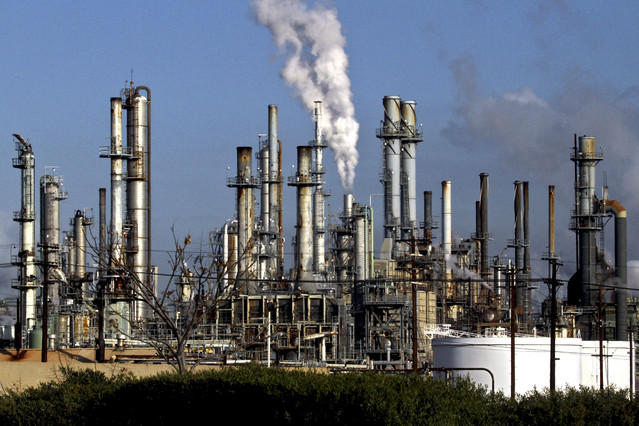
An unidentified armed group shut a valve on the pipeline carrying crude from Libya's Al-Sharara oil field on Monday, cutting output from one of the country's largest producing fields, Libya's National Oil Corporation said.
The pipeline connects Al-Sharara — roughly 900 kilometers south of Tripoli — with the Zawiya export terminal on the coast. According to the National Oil Corporation, closing the valve caused pressure to build up inside the line, sharply curbing how much crude the field could send toward the coast.
The state oil company warned that if the closure persists, it may be forced to declare force majeure on shipments tied to the field, a legal step that would let it suspend delivery obligations without penalty. Officials also indicated that the Zawiya refinery, located about 45 kilometers west of Tripoli, could be forced offline if the disruption is not resolved. Because Zawiya hosts both a refinery and the export terminal serving the pipeline now under pressure, a shutdown there would compound the impact of the valve closure well beyond Al-Sharara's own production loss.
The group behind the closure did not disclose its identity or specific demands. Shutdowns of this kind have become a recurring feature of Libya's oil sector, where armed factions and protesters have periodically seized wellheads, pipelines and export terminals to press political or economic grievances rather than to damage the infrastructure itself permanently.
Libya holds Africa's largest proven oil reserves. It remains an OPEC member, giving disruptions at fields like Al-Sharara outsized significance for both the national budget and, at the margin, global crude supply. The country has struggled with instability since 2011. It remains split between a United Nations-recognized government in Tripoli, led by Prime Minister Abdulhamid Dbeibah, and a rival administration in the east backed by military commander Khalifa Haftar. That political division has repeatedly spilled over into the oil sector, with control of revenue and infrastructure serving as leverage between rival factions and armed groups aligned with each side. Monday's closure fits a pattern in which local or factional actors use their physical proximity to a pipeline, valve or terminal to force concessions from the National Oil Corporation or from whichever government they are positioned against, even when the underlying dispute has little to do with oil operations themselves.
Al-Sharara has been a frequent flashpoint in these disputes. Because the field sits far from the coast and depends on a single long pipeline route to reach export markets, it is particularly vulnerable to localized disruptions that can cut off a large share of national output with a single valve closure.
For Libya's public finances, which rely heavily on oil exports, any sustained loss of Al-Sharara volumes directly hits state revenue. The timing adds to that exposure: global oil prices have been rising, meaning barrels kept offline by the shutdown are worth more in lost revenue than they would have been in a weaker price environment.
A force majeure declaration, if it comes, would formally acknowledge that the National Oil Corporation cannot meet its delivery commitments because of circumstances beyond its control, shielding the company from contractual liability while the closure continues. It would also signal to international buyers and partners that the disruption is serious enough that Libyan officials do not expect a quick resolution, and it would give counterparties formal grounds to seek replacement cargoes elsewhere for as long as the declaration remains in effect.
How long the valve remains shut, and what the group responsible is seeking in exchange for reopening it, will determine whether the episode proves to be a brief interruption or a longer-running drag on Libyan output. As of Monday, officials had not indicated how or when the standoff might be resolved.
مقالات ذات صلة

Oil prices jump over 3 percent to $84.41 as supply...
05 مارس, 2026 07:30
Oil prices fall 1 percent to $84.56 as U.S. grants...
06 مارس, 2026 07:40
Oil prices drop to $86.98 on report of IEA plannin...
11 مارس, 2026 07:16
Oil prices surge back above $100 as Mideast tensio...
12 مارس, 2026 08:07
Oil gains 9 percent this week as prices remain abo...
13 مارس, 2026 07:50
Oil prices surge to $104.87 as Trump seeks naval c...
16 مارس, 2026 07:48
Oil prices recoup losses, surge to $102.85 as supp...
17 مارس, 2026 08:01
Oil prices contract by 2.21 percent to $101.13 fol...
18 مارس, 2026 11:34
Oil prices rise to $107.34 as investors balance ge...
23 مارس, 2026 08:30