توليد الطاقة

Dangote Pledges Over $10bn for African Power Over Next 3-4 Years


By: OrePulse
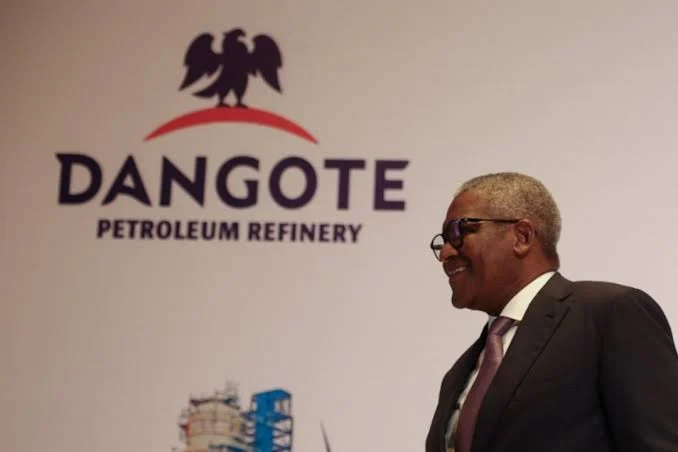
Aliko Dangote, president of the Dangote Group, said he plans to invest more than $10 billion in Africa's power sector over the next three to four years, he said in a televised interview released Monday.
"We want to invest over $10 billion alone in power," Dangote said in the interview. He indicated the conglomerate could redirect capital originally earmarked for other planned ventures, including steel production, toward electricity projects instead, framing the shift as a response to the scale of Africa's power deficit rather than a change driven by conditions in the steel market alone.
Dangote put the number of Africans without reliable access to electricity above 600 million and called the situation unacceptable. "It is something that we Africans should not really allow. Over 600 million of our people to remain in darkness," he said. He did not specify in the interview which countries the investment would prioritize or how it would be phased over the three-to-four-year window he described.
Dangote argued that electricity access underpins nearly every other goal for the continent's economic development, from industrial activity to attracting outside investment. "So power is key. We will never, ever create growth without power," he said, positioning the planned spending as a precondition for the kind of broader growth he says Africa still needs rather than as a stand-alone business line.
The businessman also linked reliable electricity supply to public trust in government, suggesting that dependable power access could strengthen confidence in political leadership more broadly, before predicting a wider economic shift across the continent on roughly the same timeline as his planned investment. "In the next three, four years, there will be a major transformation in Africa," he said.
Taken together, Dangote's remarks frame the $10 billion pledge as one piece of a broader argument about what Africa needs to grow: reliable power, in his telling, is not simply one infrastructure priority among many but a prerequisite that other forms of development depend on. That framing extends from industrial output to something less tangible — public confidence in the political leaders responsible for delivering basic services.
A pivot of this scale toward power, potentially diverting money the group had earmarked for steel projects, would mark a significant shift in the conglomerate's investment priorities, redirecting a major share of its capital toward electricity infrastructure rather than the manufacturing ventures it had been planning. The interview did not lay out how the $10 billion would be allocated across generation, transmission, or distribution, or across specific countries, nor did it provide a timeline for when individual projects might begin.
The scale of the pledge, if it materializes as described, would make it one of the largest private commitments yet made to close Africa's electricity gap. Whether it translates into signed, funded projects — and how quickly — will determine how much of an actual dent it makes in the access gap Dangote himself described as unacceptable. For now, the commitment stands as a stated intention from Dangote and his conglomerate rather than a finalized investment program with named projects, financing sources, or dates attached.
Dangote also did not say in the interview whether the $10 billion would come entirely from the Dangote Group's own balance sheet, from outside investors and lenders, or from some mix of the two, nor whether any of the spending would be coordinated with African governments or multilateral institutions already working on electrification. Those specifics, along with the countries and project types that would receive priority under the plan, will likely shape how the pledge is ultimately received once more detail becomes publicly available.
مقالات ذات صلة
QatarEnergy ceases LNG production following milita...
03 مارس, 2026 08:20
Africa’s expected hydrogen mobility build-out deta...
03 مارس, 2026 09:21
South Africa energy build risks stalling without f...
04 مارس, 2026 12:01
LNG shutdown sinks Qatar stocks but Tadawul reboun...
04 مارس, 2026 12:19
Africa's energy transition must support industrial...
04 مارس, 2026 12:50
Funding for Africa clean energy financing surges d...
04 مارس, 2026 13:09
Kenya: Spenomatic Group Opens Solar Learning Centr...
05 مارس, 2026 08:30
NEDC Backs Solar Mini-Grid Rollout in Niger State...
05 مارس, 2026 09:16
Dr Kgosientsho Ramokgopa frames energy as Africa’s...
06 مارس, 2026 08:17