Energy Other

Angola’s Q1 Oil Revenues Rise on Price Surge – But Volume Declines Signal Structural Risk


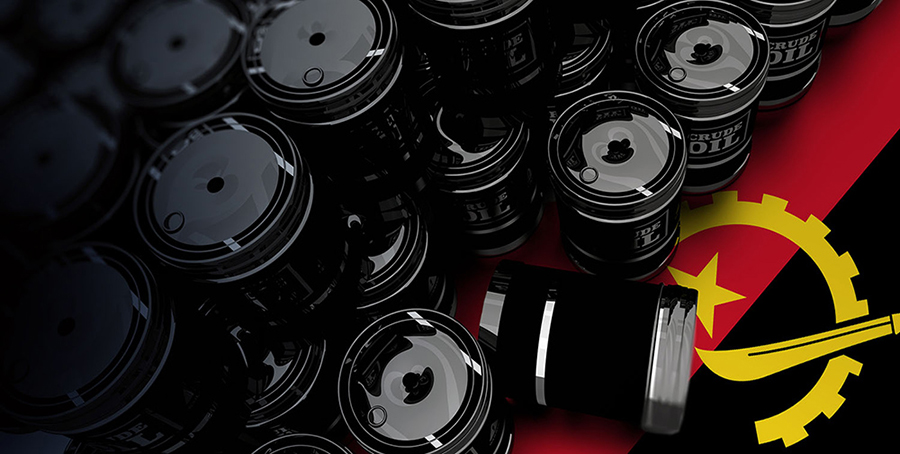
Angola’s oil and gas sector delivered stronger revenues in Q1, 2026, even as export volumes declined, underscoring the extent to which price dynamics – rather than output – are currently shaping market performance.
Data presented by the Ministry of Mineral Resources, Petroleum and Gas, Sonangol and the National Oil, Gas & Biofuels Agency shows that Angola exported approximately 86.18 million barrels of crude during the quarter, generating around $7.16 billion in revenue at an average price of roughly $83 per barrel. While volumes fell by 9.14% compared to the previous quarter, revenues rose by over 20%, driven by a sharp increase in global oil prices.
The divergence underscores a structural reality for the market: while geopolitical risk premiums and tighter supply conditions are supporting short-term fiscal performance, Angola’s ability to sustain revenue growth remains closely tied to external pricing cycles rather than domestic output extension.
Geopolitics Reprice the Market
Oil markets in early 2026 were defined by competing forces, but ultimately tilted toward supply-side risk. Escalating Middle East tensions introduced a sustained geopolitical premium into pricing. At the same time, attacks on energy infrastructure and disruptions in the Strait of Hormuz –through which roughly 20% of global oil flows – reinforced concerns around supply security. These dynamics more than offset bearish signals such as rising U.S. inventories, expectations of increased OPEC+ production and weaker seasonal demand in Asia.
The result was a volatile but upward-trending price environment, with Brent ranging from approximately $61 to $127 per barrel during the quarter. For Angola, the implication is clear: exposure to global pricing cycles remains the dominant determinant of fiscal performance, particularly in periods where production growth is constrained.
Asia Anchors Demand – But Export Concentration Reinforces Exposure
Angola’s export structure continues to be heavily concentrated in Asian markets, with China accounting for over 55% of crude exports. India followed with roughly 16%, while Indonesia and France represented smaller but consistent demand centers.
This concentration reflects both structural demand patterns and evolving trade flows. Sanctions on Russian and Iranian crude have sustained appetite for West African grades in key Asian markets, even as competition from discounted Latin American barrels increases. However, softer refining margins and weaker industrial activity in parts of Asia did weigh on demand during the quarter, contributing to the decline in export volumes.
Pricing and Logistics Pressures Continue to Weigh on Angola’s Market Position
Despite stronger pricing, Angola’s crude continues to face structural competitiveness challenges. Elevated freight rates limited arbitrage opportunities into Asia, while widening Brent/Dubai spreads reduced the relative attractiveness of Angolan grades compared to Middle Eastern supply.
At the same time, discounted crude from Latin America and logistical shifts in global trade flows intensified competition, particularly in spot markets where refiners prioritized lower-cost cargoes. These pressures highlight a key constraint: Angola’s ability to translate favorable pricing into sustained market share gains remains contingent on logistics, pricing differentials and refinery economics.
Gas Exports Provide Support, But Oil Still Dominates Revenue
Natural gas exports provided an additional layer of revenue support. Angola exported approximately 1.45 million metric tons of gas during Q1, generating around $920 million in revenue. While volumes declined year-on-year, they increased significantly compared to the previous quarter, and higher global gas prices drove an 11% increase in export value.
LNG dominated the export mix, accounting for more than 85% of total gas shipments, with Indiaabsorbing over 60% of volumes. The data reinforces LNG’s growing role in Angola’s export profile, particularly as global gas markets remain tight and Asia continues to anchor demand.
Oil and Gas Price Over Volume – For Now
Angola’s Q1 performance reinforces a clear structural dynamic: revenue resilience is being driven by external price conditions rather than domestic production growth. While elevated oil and gas prices have provided a near-term uplift, declining export volumes and persistent competitiveness pressures point to underlying constraints that remain unresolved.
As such, Angola’s fiscal outlook will increasingly depend on its ability to stabilize and grow output – shifting from price-driven revenue cycles toward a more production-led performance trajectory.
Related Articles
Kuwaiti oilfield comes onstream officially after 1...
22 Sep, 2025 12:56
African Energy Week (AEW) 2025: Unlocking the Pote...
22 Sep, 2025 13:22
South Africa warns illegal car imports threaten ne...
23 Sep, 2025 06:31
South Africa Confronts EU Carbon Border Mechanism...
23 Sep, 2025 12:33
South Africa, China Deepen Investment Ties in Key ...
24 Sep, 2025 07:35
Raysut Cement’s Expansion into Libya and North Afr...
24 Sep, 2025 07:40
Nextchem opens regional office in Abu Dhabi...
24 Sep, 2025 08:10
Ghanaian students win top honours in IAEA’s Female...
24 Sep, 2025 09:32
Key Sectors Linking Mauritania and Gambia...
24 Sep, 2025 09:40