
Generation

Africa’s Solar Breakthrough Gains Momentum After Record Capacity Growth In 2025


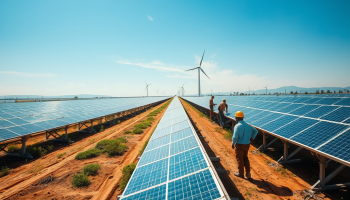
Africa is entering a new phase in its energy journey, with solar power taking center stage. After a record year of capacity additions in 2025, the continent is now moving toward what many experts describe as a major solar breakthrough. For years, Africa lagged behind other regions in renewable energy development, but it is now beginning to tap into its vast solar resources to address long-standing power shortages and support economic growth.
The rapid rise in solar installations is mainly driven by falling photovoltaic technology costs and rising international investment. Many African countries have struggled with unreliable electricity supply and heavy dependence on costly fossil fuels. Solar energy offers a practical alternative. Its modular design allows both large utility-scale plants and small off-grid systems to operate efficiently. This flexibility makes solar especially suitable for rural and remote areas where extending traditional grid infrastructure is expensive and time-consuming.
Leading countries such as South Africa, Egypt, and Morocco continue to develop large solar parks and strengthen their renewable energy capacity. At the same time, new markets are emerging quickly. Nations including Kenya, Nigeria, and Ethiopia are expanding their renewable energy portfolios at a fast pace. This shift is not only about climate goals. Reliable electricity is essential for industrial development, job creation, and improved living standards. Solar projects can often be deployed faster and at lower cost compared to building coal or gas-based power plants.
Battery storage technology has further strengthened solar’s role in Africa’s energy transition. In the past, critics highlighted solar’s intermittency, as power generation depends on sunlight. However, with storage costs declining, solar systems can now provide electricity even after sunset. This improvement has encouraged private companies to invest in self-generation projects to reduce dependence on unstable national grids.
Despite the strong momentum, challenges remain. Financing renewable projects in Africa is still more expensive compared to Europe or Asia due to higher perceived risks. In addition, many national grids require upgrades to handle large volumes of variable renewable power. Experts say continued policy reforms and investor-friendly regulations will be crucial to sustain growth.
As 2026 progresses, Africa’s solar expansion shows no sign of slowing. With record capacity coming online, solar energy is moving from the margins to become a key pillar of the continent’s future power system, helping reduce energy poverty and strengthen economic resilience.
Related Articles

Parliament Committee says no need to review three ...
10 Sep, 2024 07:57
Zimbabwe’s Biggest Miners Seek $182 Million for So...
12 Sep, 2024 06:57
GreenGo Energy Expands into Namibia with Strategic...
12 Sep, 2024 07:51
OPEC Fund approves $1.2 billion for development pr...
13 Sep, 2024 08:59
Floating solar starts to gather pace in Africa, as...
13 Sep, 2024 13:18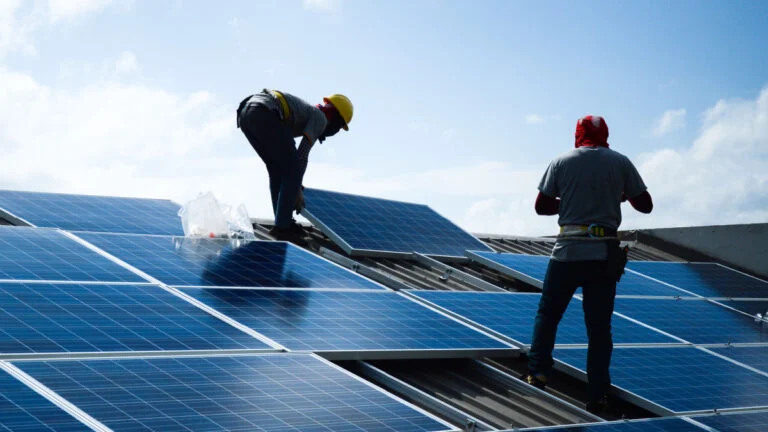
Prominent South African energy company files for l...
16 Sep, 2024 11:00
Libyan Export Decline and Fed Speculation Propel O...
17 Sep, 2024 08:00
South Sudan says it is ready to restart pumping oi...
17 Sep, 2024 13:23
Interest grows in Africa’s oil and gas hotspot...
18 Sep, 2024 10:42