Precious Metals

UAE-linked Zijin Gold acquires stake in Ethiopian gold mine near Sudan border


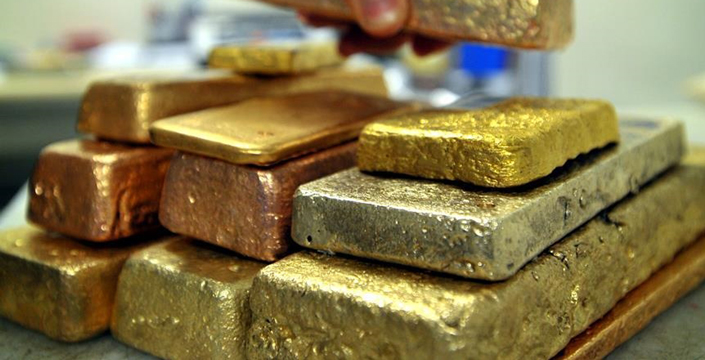
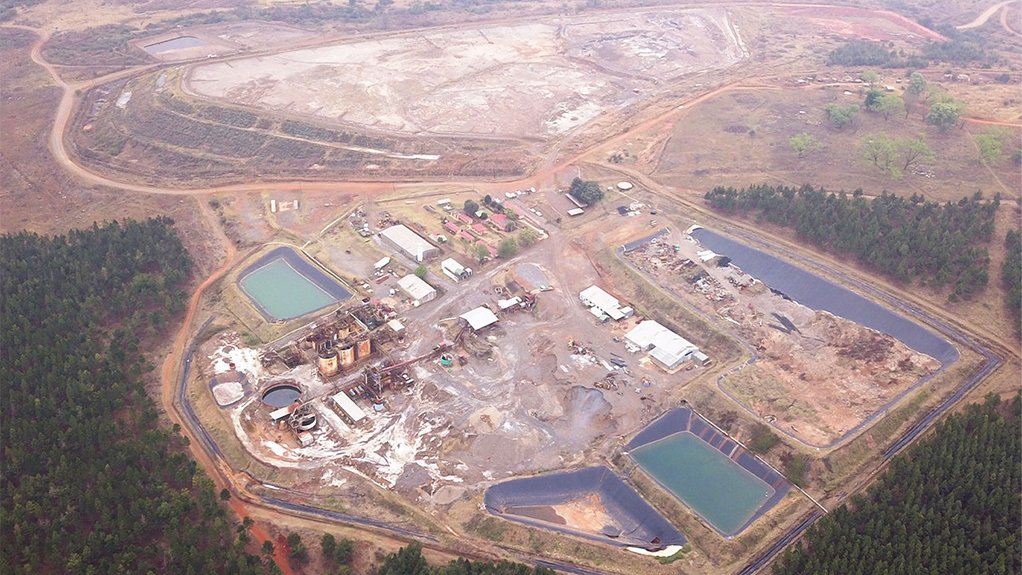
Chinese mining company Zijin Gold International has acquired a 9.2% stake in Canadian mining firm Allied Gold, gaining partial ownership of its portfolio that includes the Kurmuk gold project in Ethiopia’s Benishangul-Gumuz Region, near the Sudanese border.
The deal, worth nearly $300 million, gives Zijin Gold approximately 9.2% of Allied Gold’s issued and outstanding common shares, the Canadian company announced.
The acquisition places the Chinese company in a strategic area close to Sudan’s Blue Nile State, where fighting has continued as part of the wider war between Sudan’s Armed Forces and the Rapid Support Forces (RSF).
According to Middle East Online, which reported on the transaction, the Kurmuk concession is located about 20 kilometres from the Sudanese locality of the same name. The area has experienced conflict and civilian displacement and is also known for informal and semi-mechanised gold mining.
Allied Gold has expressed confidence in the Ethiopian project, saying it expects to begin operations in August and produce between 240,000 and 270,000 ounces of gold in 2027. The company estimates the targeted output could be worth about $1 billion.
The proceeds from the Zijin transaction will be used to expand Allied Gold’s three mining operations, including the completion and ramp-up of the Kurmuk project.Ethiopian travel guide
UAE-China investment links
The transaction also deepens the connection between Chinese and Emirati investment interests in Ethiopia’s mining sector.
Zijin Gold is part of Zijin Mining, whose shareholders include Chinese state-owned entities as well as the Abu Dhabi Investment Authority (ADIA), the UAE’s sovereign wealth fund. Middle East Online reported that ADIA invested about $680 million in Zijin Mining, making it one of the company’s top shareholders.
The latest deal follows a series of unsuccessful attempts to acquire Allied Gold. In February 2025, Allied Gold announced a $500 million agreement with Ambrosia, an Emirati company, which would have given the company a 50% stake in Allied Gold’s mining assets. The agreement later collapsed after conditions were not met.
Zijin subsequently agreed to acquire Allied Gold outright for about $4 billion, but the transaction was abandoned after the companies failed to secure Chinese regulatory approval. The parties instead proceeded with the minority investment.
The Kurmuk project is part of Allied Gold’s wider portfolio, which also includes mining operations in Mali and Côte d’Ivoire.
The location of the Ethiopian project has drawn attention because of its proximity to Sudan’s ongoing conflict. Middle East Online linked the area to allegations concerning logistical and military support for the RSF from territory in western Ethiopia, claims that Ethiopia and the UAE have denied.
The publication also raised questions about the potential impact of expanded gold mining in the area on Sudan’s conflict, particularly given the UAE’s prominent role in the regional gold trade.
Sudan’s war, which began in April 2023, has displaced millions of people and triggered widespread allegations of atrocities against civilians. The RSF and the Sudanese Armed Forces have both been accused of serious violations of international humanitarian law.
Allied Gold did not respond on the record to questions from Middle East Online about measures to ensure that gold from the Kurmuk project would not be used to support armed groups in Sudan. Zijin Gold also did not respond to the publication’s questions.
Ethiopia’s Mines Minister Habtamu Tegene has welcomed expanding investment in gold, critical minerals, petroleum and fertiliser production as the government seeks to increase mining activity and foreign-exchange earnings.
The acquisition comes as Ethiopia seeks to expand industrial-scale gold production and attract foreign investment into its mining sector, particularly in gold and other strategic minerals.
The latest investment follows a series of developments around Allied Gold’s operations in Ethiopia and the growing international interest in the country’s gold sector.
In January 2026, Addis Standard, citing the Financial Times, reported that Canadian mining company Allied Gold had agreed to be acquired by Zijin Gold International in an all-cash transaction valued at about $4 billion. The proposed deal would have seen Hong Kong-listed Zijin Gold acquire Allied Gold for C$5.5 billion, or approximately $4 billion, amid a broader wave of consolidation in the global gold mining industry driven by record-high bullion prices.
Allied Gold operates mining projects in Ethiopia, Mali and Côte d’Ivoire. The proposed acquisition valued Allied Gold’s shares at C$44 each, representing a 27% premium to their 30-day average price before the announcement.
The planned takeover also came as Allied Gold advanced its Kurmuk gold project in Ethiopia’s Benishangul-Gumuz Region. In December 2025, the company announced five new exploration targets at the project, saying drilling results had strengthened the prospects for developing a high-volume, long-life gold operation.
Among the reported drilling results, a hole in the Tsenge–Hiccup Hill zone intersected 16.4 metres grading 13 grams of gold per tonne from a depth of 43 metres. Another hole in the Tsenge–Setota zone intersected 10.5 metres grading 1.85 grams per tonne from 161 metres downhole. Mining analyst Mohamed Sidibé of National Bank Financial described the results as constructive and said they highlighted further exploration potential at Kurmuk.
The proposed $4 billion takeover ultimately did not proceed after Zijin failed to obtain the required Chinese regulatory approval. The companies instead moved forward with the minority investment announced in the latest transaction, giving Zijin Gold a 9.2% stake in Allied Gold.
The development comes as Ethiopia seeks to expand mining’s contribution to the economy. In April 2026, Addis Standard, citing reports by Al Ain and African Mining, reported that Ethiopia’s gold exports had surged to an estimated $3.5 billion as the government increasingly positioned mining as a central pillar of its economic strategy.
The Ethiopian Investment Holdings (EIH) has also sought to attract greater international capital into strategic sectors. During the “Invest in Ethiopia 2026” forum in Addis Abeba, EIH Chief Executive Officer Brook Taye said the state-owned investment company was working to reduce risks associated with large-scale projects and create partnerships linking strategic national assets with private capital.
Against this backdrop, the expanded involvement of Zijin Gold in Allied Gold gives the Chinese company exposure to Ethiopia’s growing gold industry, while placing the Kurmuk project at the centre of renewed international interest in the country’s mineral resources.
Related Articles

Investigation uncovers fraudulent identity documen...
10 Sep, 2024 08:08
The Top Five Gold-Producing Countries in Africa in...
10 Sep, 2024 08:46
AngloGold notes ‘enormous geological potential’ in...
10 Sep, 2024 09:29
Awalé Resources expands BBM gold zone at Odienné p...
10 Sep, 2024 11:38
Proposed amendment: Gold mines to be subject to th...
10 Sep, 2024 12:39
Pan African Resources Annual Result Improves; Expe...
12 Sep, 2024 07:42
African countries are joining the sovereign gold-b...
12 Sep, 2024 08:07
Platinum Group Metals Ltd. Announces Positive Inde...
16 Sep, 2024 09:11
At least 20 likely dead in violence near Papua New...
16 Sep, 2024 10:37