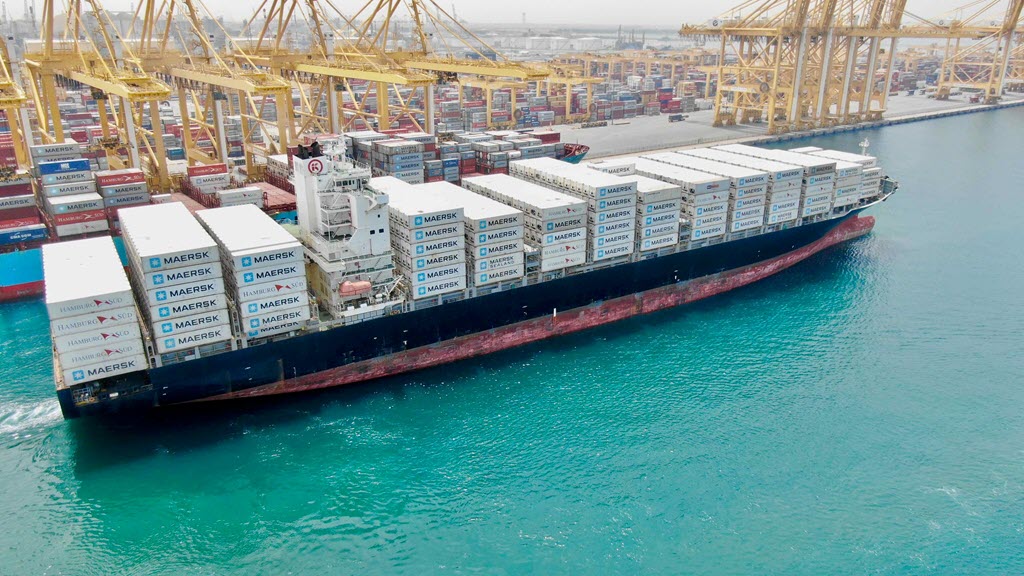
Sea

Togo’s Port of Lomé emerges as an alternative logistics centre amid Hormuz disruption


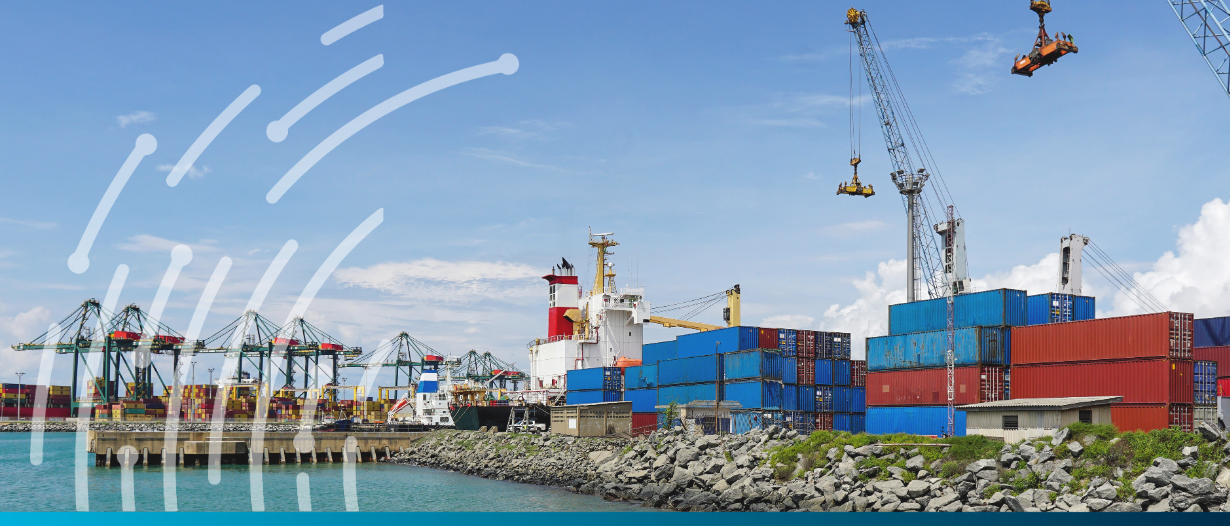
As disruption in the Strait of Hormuz surges, Togo aims to position its Port of Lomé as an alternative for routing goods bound for Asia and Africa.
“Eurasian shipping lines can now rely on the Port of Lomé as a transport hub, thus avoiding the dangers that exist on the other side of the planet,” said Edem Kokou Tengue, Togo’s Minister Delegate for Maritime Economy, in an interview with Sputnik on Wednesday, 8 April.
The Strait of Hormuz has been effectively shut down since the start of the conflict in Iran, halting the transit of around one-fifth of the world’s oil and liquified natural gas (LNG) supply. This sparked a worldwide energy crisis, particularly for Asia, where 83% of the LNG that crossed the Strait was intended towards.
The shutdown shows no signs of abating, with the US blockade of Iranian ports (announced on Sunday) due to start in hours.
With an annual throughput of over 30 million tonnes and deep-water capabilities, the Port of Lomé is Africa’s fourth-busiest container port.
“The Port of Lomé is a modern port, with modern infrastructure, capable of accommodating the latest generations of ships,” emphasised Kokou Tengue, highlighting the efforts that have gone into improving the port in recent years. This includes a recent United Nations Trade and Development (UNCTAD) port management course, designed to improve the performance of the port community in Togo.
For global superpowers, the port presents an unmatched opportunity. Over the past year, the US embassy in Togo increased its economic outreach, revealing in a statement that the port “offers US businesses unmatched access to African markets.”
In July 2025, US chargé d’affaires in Togo Richard C. Michaels visited the port and the Lomé Container Terminal, pitching US investment in Togolese logistics as a ‘win-win’ for both economies.
The port, which drives around 70% of Togo’s economic activity, is also eyed by the Russian government. It serves as the economic arm of the bilateral military cooperation agreement signed by the two countries last year.
“We now have a credible alternative to the traditional trade routes that countries in this part of the world, particularly Russia and others, used for their international trade,” said Kokou Tengue.
According to the World Bank, in 2024, Togo had a GDP of around $10.6 billion, making it one of the world’s least developed economies.
The country’s proximity to landlocked markets such as Burkina Faso, Niger, and Mali, and its estimated ability to store over 2 million tonnes of petroleum products, positions the port not only as a Hormuz alternative, but also a gateway for increased intra-African trade and for African oil exports.
Just last week, officials from Togo and Burkina Faso met in Lomé to discuss the Lomé-Ouagadougou corridor. Burkina Faso, due to its landlocked position, relies heavily on the port. The Dangote Refinery in Nigeria (Africa’s largest oil refinery), which has recently increased its gasoline and urea supply to African nations to offset the consequences of the Hormuz disruption and has overall expanded the continent’s oil exports, also relies on the port capacity of the Port of Lomé.
Related Articles
Transport & Logistics in Action – Connecting the M...
22 Oct, 2025 08:40
Appeal made for cargo harmonization across the SSA...
22 Oct, 2025 08:46
4 deals signed between Turkiye, Kuwait...
22 Oct, 2025 13:31
Beit Logistics invests $10.50mln to develop Safaga...
23 Oct, 2025 12:18
Khalifa Port rises to 39th position in Lloyd’s Lis...
23 Oct, 2025 12:24
ASCELA awarded Africa Logistics Zone Development P...
23 Oct, 2025 12:49
FG begins procurement for port modernization proje...
23 Oct, 2025 12:56
NZF delay extends unlevel playing field for EU por...
27 Oct, 2025 09:30
DP World Launches $85 Million Logistics Hub in Egy...
27 Oct, 2025 10:48