Generation

South African mines accelerate renewable energy adoption as carbon regulations tighten


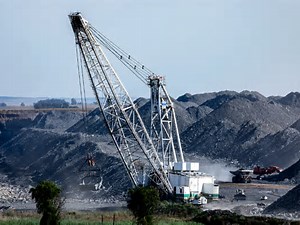
South Africa’s mining sector is rapidly increasing its investment in privately contracted renewable energy as global carbon regulations and emissions disclosure requirements begin reshaping international trade and long term competitiveness.
With the European Union’s European Union Carbon Border Adjustment Mechanism entering its definitive phase earlier this year, mining companies are facing growing pressure to demonstrate lower embedded emissions in exported commodities.
Industry players say energy strategy is increasingly becoming a direct measure of carbon performance and a critical factor in maintaining access to international markets.
Lyra Energy, jointly owned by Scatec, STANLIB and Standard Bank, is among the companies expanding renewable energy partnerships with mining clients to support the sector’s transition.
The company recently reached financial close on its flagship 255 megawatt Thakadu solar project, one of the country’s largest privately contracted renewable developments.
Construction on the first phase is already under way, with commercial operations expected to begin during the first half of 2027.
According to Liesel Kassier, Senior Business Developer at Lyra Energy, the shift is being driven by both environmental compliance requirements and the need for long term operational resilience.
“Energy is becoming a proxy for carbon in global trade,” Kassier said.
“Mining operations that can evidence lower emissions intensity will be better positioned as procurement standards evolve and the operations that move first will define the benchmark.”
Gunmen storm Franschhoek home, killing three people
Lyra Energy has been working with industrial and mining clients to integrate renewable power generation and, where appropriate, battery storage solutions into existing operations.
Recent projects have focused on hybrid energy systems designed specifically for mining sites, where operations are energy intensive and require continuous power supply.
Early project implementation has already shown measurable reductions in Scope 2 emissions, while also helping companies improve predictability around long term energy costs.
The timing of the transition is significant as global commodity markets increasingly tie procurement decisions to emissions performance and sustainability reporting.
In addition to the European Union’s carbon adjustment framework, disclosure requirements such as IFRS S2 and investor led reporting standards are playing a growing role in commodity trade flows.
For South African exporters of platinum group metals, iron ore and manganese, demonstrating lower emissions intensity is fast becoming a commercial necessity.
The renewable energy transition is also being accelerated by structural challenges within South Africa’s electricity system.
Although Eskom has managed to maintain more than 300 consecutive days without load shedding and entered the 2026 winter period with a more stable supply outlook, mining executives remain concerned about rising electricity tariffs, transmission constraints in mining regions, and the long term costs associated with replacing ageing coal infrastructure.
Privately contracted renewable energy is increasingly viewed as a hedge against these risks while helping companies strengthen environmental credentials.
Industry stakeholders say the integration of renewable energy into mining operations is expected to become a defining factor in South Africa’s ability to remain competitive as a leading global mining jurisdiction.
As international markets continue tightening carbon standards and procurement requirements, renewable energy investment is likely to play an increasingly central role in protecting export competitiveness and ensuring continued access to key global buyers.
Related Articles

Parliament Committee says no need to review three ...
10 Sep, 2024 07:57
Zimbabwe’s Biggest Miners Seek $182 Million for So...
12 Sep, 2024 06:57
GreenGo Energy Expands into Namibia with Strategic...
12 Sep, 2024 07:51
OPEC Fund approves $1.2 billion for development pr...
13 Sep, 2024 08:59
Floating solar starts to gather pace in Africa, as...
13 Sep, 2024 13:18
Prominent South African energy company files for l...
16 Sep, 2024 11:00
Libyan Export Decline and Fed Speculation Propel O...
17 Sep, 2024 08:00
South Sudan says it is ready to restart pumping oi...
17 Sep, 2024 13:23
Interest grows in Africa’s oil and gas hotspot...
18 Sep, 2024 10:42