توزيع الطاقة

Qatar Rejects Hormuz Bypass Pipeline, Doubles Down on North Field LNG Plan


By: OrePulse
Qatar's energy minister dismissed calls to build a pipeline to carry the country's natural gas exports around the Strait of Hormuz, saying the project would not make commercial sense and would duplicate liquefaction capacity Qatar is already building at home.
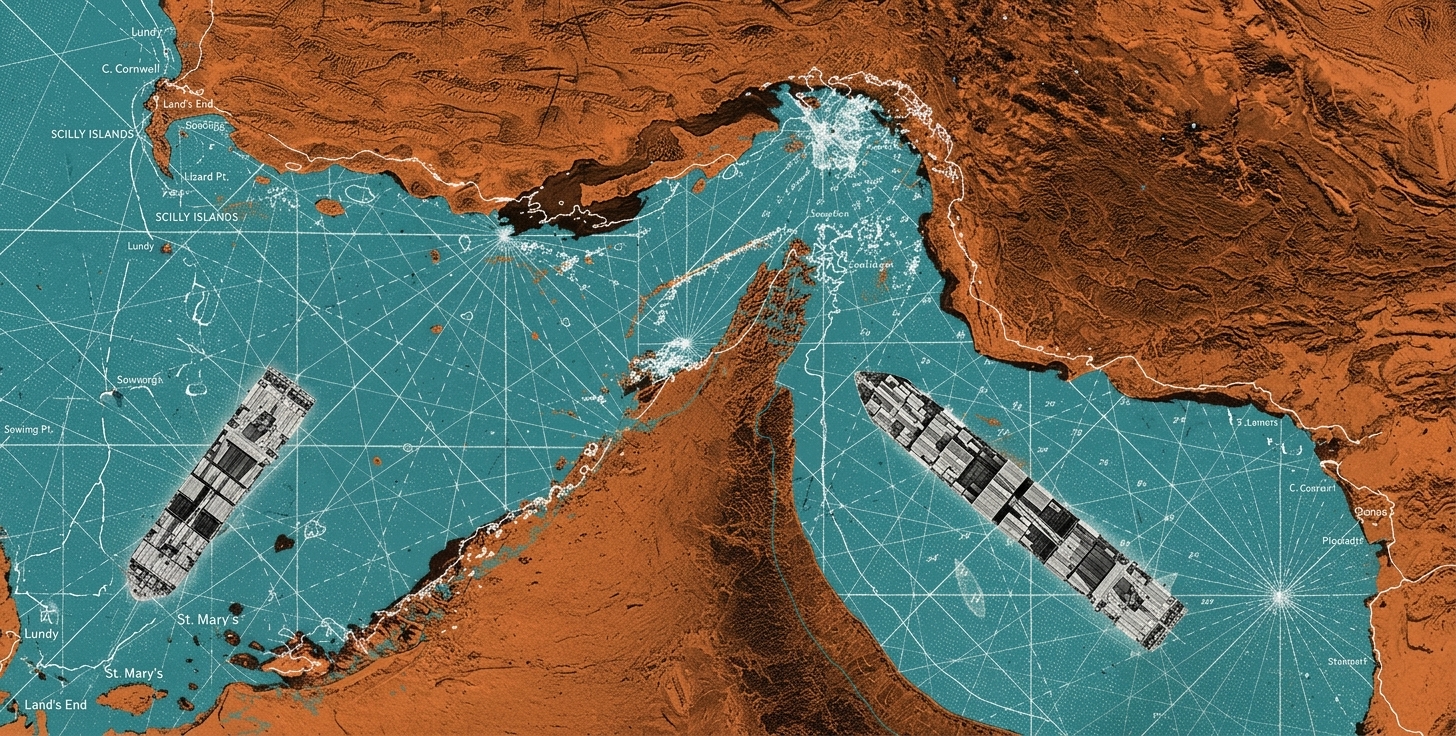
Energy Minister Saad Sherida Al-Kaabi said liquefied natural gas cannot move through a pipeline the way crude oil does. Shipping gas overland and then exporting it from a different coast, he said, would require building an entirely new set of liquefaction plants at the pipeline's far end, effectively replicating processing capacity already under construction as part of Qatar's North Field expansion. That duplication, in his view, makes a bypass route uneconomical regardless of how the security picture around the strait evolves. A pipeline route would also do nothing to solve the underlying engineering constraint that gas, unlike oil, must be chilled into liquid form before it can be loaded onto tankers, which ties any export point to a full liquefaction plant rather than a simple terminal.
The minister also pushed back on a forecast from U.S. Treasury Secretary Scott Bessent, who had predicted the Strait of Hormuz could become "worthless" within two years. Al-Kaabi called that prediction "completely wrong," arguing that the waterway handles a wide range of trade beyond energy shipments and cannot simply be routed around or written off. His remarks amounted to a direct rejection of the premise that has driven speculation about alternative export corridors: that prolonged disruption to shipping through the strait would eventually force major gas exporters to build their way around it.
The North Field project, Qatar's flagship gas expansion, is intended to roughly double the country's annual liquefied natural gas output to 142 million metric tons by 2030. That target underpins Doha's broader strategy of expanding supply from within its existing export corridor rather than diversifying the route itself. But the timeline slipped: the start-up of the expansion's first new production train moved to the first half of 2027, after originally being targeted for 2026.
The delay stemmed from attacks in March that struck the Ras Laffan industrial complex, Qatar's main LNG export hub. Two production units were damaged, cutting the country's export capacity by roughly 17 percent, and officials estimated that full repairs would take about three years. Those disruptions were significant enough to weigh on the broader economy: Qatar's gross domestic product contracted 7 percent year on year in the first quarter of 2026.
Al-Kaabi's comments came as Qatar separately unveiled Doha Investment, a newly created platform that will oversee the domestic portfolio of the Qatar Investment Authority, the country's sovereign wealth fund. That portfolio includes stakes in Qatar Airways, QNB Group and Ooredoo. The launch signaled an effort to actively manage and grow the state's home-market holdings as a distinct track alongside the wealth fund's overseas investment activity.
Government officials said the new platform would channel more than sixty billion dollars into infrastructure and hospitality opportunities over the next five years. Of that total, officials said, about thirty-eight and a half billion dollars was earmarked specifically for new infrastructure projects set to begin immediately.
Taken together, the pipeline rejection and the rollout of Doha Investment pointed to the same underlying strategy: rather than hedge against continued uncertainty around the Strait of Hormuz by building new export infrastructure elsewhere, Qatar doubled down on the North Field buildout already underway while broadening how it deploys capital at home. For buyers of Qatari LNG, Doha's message was that supply growth would keep flowing through the existing corridor and facilities, even as the repair timeline at Ras Laffan and the delayed production train pushed some of that additional capacity further out toward the end of the decade.
مقالات ذات صلة
Gas disruptions in Middle East send prices soaring...
03 مارس, 2026 13:47
Saudi Energy board proposes $773m dividend for 202...
03 مارس, 2026 13:58
Nigeria Regulator Orders Power Distributors to Ref...
06 مارس, 2026 08:25
Diesel markets, upended by Middle East conflict, t...
11 مارس, 2026 08:09
SAA on guard as Middle East tensions threaten fuel...
11 مارس, 2026 11:58
Africa’s Longest Oil Pipeline Nears Completion as ...
12 مارس, 2026 08:38
Shell, TotalEnergies and others declare FM to thei...
12 مارس, 2026 09:21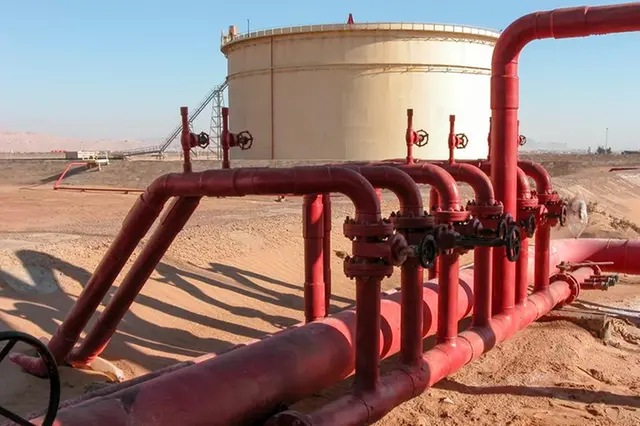
Egypt aims to boost oil, gas output with horizonta...
12 مارس, 2026 09:37
Iran Warns of $200 Oil Prices Amid Escalating Gulf...
13 مارس, 2026 08:12