Energy Markets

Oil prices rise over 2 percent to $76.11 as supply concerns grow on renewed Hormuz tensions



Oil prices rose over 2 percent on Wednesday as concerns grew that a fragile ceasefire between the U.S. and Iran could be breaking down after Washington carried out airstrikes and reinstated sanctions on Iranian crude exports, reviving fears of potential disruptions to Middle East energy supplies.
As of 4:01 GMT, Brent crude futures advanced $1.95, or 2.63 percent, to $76.11 a barrel, while U.S. West Texas Intermediate (WTI) crude rose $1.85, or 2.63 percent, to $72.29 a barrel.
U.S. revokes Iranian crude sales license
Oil prices had gained around 3 percent on Tuesday after the U.S. revoked a general license that had allowed Iranian crude sales, following the attacks on commercial vessels by Iran.
The U.S. strikes came after Iranian forces attacked three commercial vessels passing through the Strait of Hormuz, according to the U.S. Central Command on Tuesday. The strategic waterway serves as a critical route for transporting oil shipments from the Middle East to global markets.
Following the U.S.-Iran truce agreement last month, oil prices fell back to levels seen before the conflict, prompting traders to build large short positions in crude futures as they bet on further declines.
The price drop was driven by expectations that a surge of previously constrained Middle Eastern oil supplies would return to global markets.
Strait of Hormuz supply disruptions persist
Iran denied responsibility for the vessel attacks, while Qatar accused Tehran of involvement, including in an incident involving a Qatari liquefied natural gas tanker that reported being hit by a drone, sparking a fire in its engine room.
A Saudi-flagged crude tanker was also damaged off the coast of Oman, although the cause of the incident remained unclear.
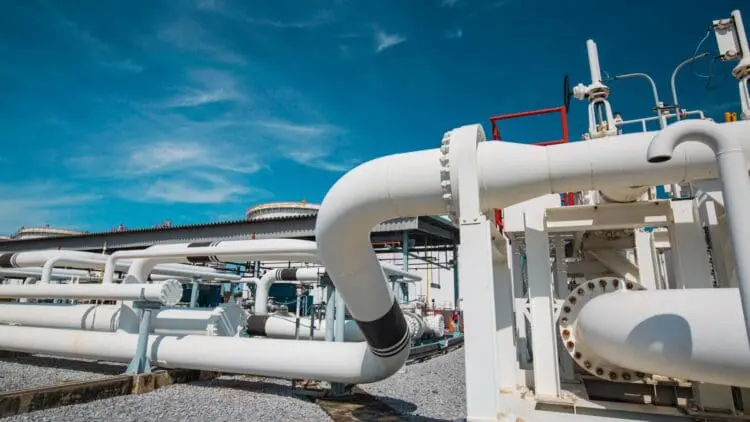
The attacks reignited concerns over shipping activity through the Strait of Hormuz, a critical energy route that handled cargo volumes equivalent to roughly one-fifth of global energy supplies before the conflict began in February.
Iran has moved to reinforce its control over the Strait of Hormuz, directing vessels to use a route closer to its shoreline instead of the channel nearer to Oman, which also borders the strategic waterway. The U.S., however, maintains that the strait must remain open to all shipping traffic as it was before the conflict began.
Since the outbreak of the war, countries have drawn down their oil inventories to compensate for supply disruptions.
Related Articles

Renewable Energy Storage Market 2025 Forecast - La...
21 Oct, 2025 07:12
Solar power mistake in South Africa costs homeowne...
21 Oct, 2025 07:54
An Investor’s Guide to Africa...
21 Oct, 2025 09:47
Doha Strike Shakes Global Energy Assumptions...
22 Oct, 2025 13:01
GCC and Russia Deepening ties in a multipolar Midd...
23 Oct, 2025 11:59
Tesla prepares first steps into Africa with Morocc...
23 Oct, 2025 13:29
Off-Grid Solar Energy Market to grow at 17.42 GW b...
23 Oct, 2025 13:39
Petroleum Institute Urges Early Take Off of Africa...
23 Oct, 2025 13:45
Algeria inks $5.4 billion energy pact with Saudi M...
23 Oct, 2025 14:03