Energy Markets

Oil prices rebound 0.62 percent to $73.05 as Hormuz tensions return despite diplomatic push


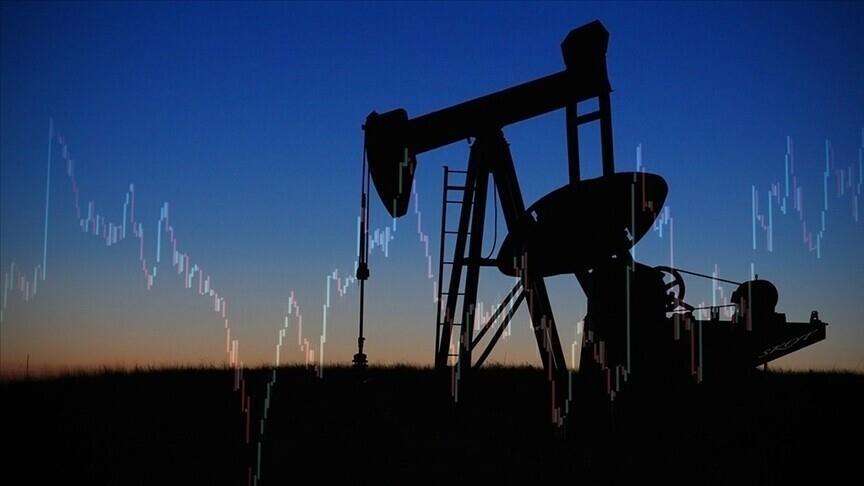
Global oil prices edged higher in Asian trading on Monday as renewed military exchanges between the United States and Iran over the weekend reignited concerns about the durability of their recently announced ceasefire, even as both sides reportedly agreed to resume diplomatic negotiations in Qatar later this week.
Brent crude futures for August delivery rose 0.62 percent to $73.05 a barrel as of 10:10 UAE time, while U.S. West Texas Intermediate (WTI) crude futures gained 0.79 percent to $69.78 a barrel. The latest advance followed renewed strikes between Washington and Tehran late last week after disagreements over Iran’s position regarding navigation and security in the Strait of Hormuz. The renewed tensions temporarily slowed shipping through the strategic waterway, supporting higher oil prices after last week’s sharp sell-off.
Diplomatic uncertainty
Despite the weekend escalation, market gains remained limited after Axios reported that the United States and Iran had agreed to immediately halt hostilities and resume negotiations in Qatar as part of efforts to secure a broader and more durable peace agreement. However, the conflict between Israel and Lebanon-based Hezbollah continues to complicate regional diplomacy, with Tehran insisting that developments in Lebanon must be addressed as part of any comprehensive settlement. Fighting between Israeli forces and Hezbollah persisted in southern Lebanon despite repeated international attempts to broker a ceasefire, reinforcing concerns that wider regional instability could still disrupt energy markets.
The latest developments follow months of heightened geopolitical tensions that repeatedly disrupted shipping through the Strait of Hormuz, one of the world’s most critical oil transit routes carrying roughly one-fifth of global crude exports. Earlier this month, oil prices retreated sharply after Washington and Tehran reached an interim agreement to end direct hostilities, prompting traders to remove much of the geopolitical risk premium that had been built into crude prices during the conflict.
Supply outlook
Crude prices had fallen more than 10 percent last week, briefly returning to levels seen before the outbreak of the conflict, as improving shipping conditions through the Strait of Hormuz restored confidence in global supply chains. Tanker traffic recovered toward pre-war levels after months of disruption, easing concerns over potential shortages and helping stabilize export flows from Gulf producers.
Nevertheless, the renewed military exchanges over the weekend highlighted the fragile nature of the interim agreement and reminded markets that geopolitical risks remain elevated. Any disruption to shipping through Hormuz could quickly tighten global supply balances and trigger renewed price volatility, particularly given the strategic importance of Gulf exports to Asian and European energy markets.
Attention is now focused on whether the United States and Iran can make meaningful progress during the upcoming negotiations in Qatar. Under the current framework, both countries have committed to a 60-day negotiating period aimed at reaching a comprehensive peace agreement capable of reducing regional tensions and providing longer-term stability for global energy markets. Investors are expected to closely monitor developments in the talks, alongside shipping activity through the Strait of Hormuz, as both remain key drivers of oil prices and broader market sentiment.
Related Articles

Renewable Energy Storage Market 2025 Forecast - La...
21 Oct, 2025 07:12
Solar power mistake in South Africa costs homeowne...
21 Oct, 2025 07:54
An Investor’s Guide to Africa...
21 Oct, 2025 09:47
Doha Strike Shakes Global Energy Assumptions...
22 Oct, 2025 13:01
GCC and Russia Deepening ties in a multipolar Midd...
23 Oct, 2025 11:59
Tesla prepares first steps into Africa with Morocc...
23 Oct, 2025 13:29
Off-Grid Solar Energy Market to grow at 17.42 GW b...
23 Oct, 2025 13:39
Petroleum Institute Urges Early Take Off of Africa...
23 Oct, 2025 13:45
Algeria inks $5.4 billion energy pact with Saudi M...
23 Oct, 2025 14:03