أسواق الطاقة

Oil prices fall over 1 percent to $70.82 as Iran and U.S. make progress in indirect talks


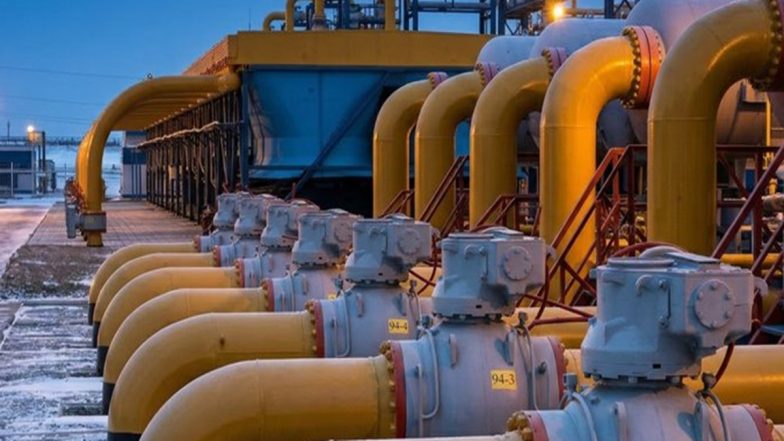
Oil prices fell over 1 percent on Thursday, marking a third consecutive session of losses, after Qatar said Iran and the United States had made progress in indirect negotiations over the Strait of Hormuz, a key shipping route that accounted for about one-fifth of the global oil supply before the conflict.
As of 4:30 GMT, Brent crude futures fell 75 cents, or 1.05 percent, to $70.82 a barrel, while U.S. West Texas Intermediate (WTI) crude declined 79 cents, or 1.15 percent, to $67.79 a barrel. Both benchmarks had also dropped more than 1 percent in the previous session, settling at their lowest levels in four months.
U.S.-Iran talks achieve “positive progress”
Oil prices declined after a spokesperson for Qatar’s Foreign Ministry said in a post on X that the U.S.-Iran talks had achieved “positive progress” on issues related to the memorandum that ended the war in June. Despite the reported progress, there were no indications that the two sides had moved any closer to reaching a lasting peace agreement.
Qatar’s Foreign Ministry also said the next round of indirect talks between Iranian and U.S. negotiators will take place after the funeral ceremonies for Iran’s late Supreme Leader, Ayatollah Ali Khamenei, scheduled for July 9.
With the Strait of Hormuz remaining open and oil exports continuing uninterrupted, expectations of a supply glut have increased, while intensifying competition for market share is adding downward pressure on oil prices.
Meanwhile, OPEC+ producers are widely expected to approve another increase in output targets for August when the group meets on Sunday.
Investors await expected OPEC+ production increase for August
UBS on Thursday lowered its Brent crude price forecasts, citing the U.S.-Iran memorandum of understanding and the resulting increase in oil shipments through the Strait of Hormuz.
The bank cut its average Brent price forecast for the September quarter by $25 a barrel and reduced its December quarter outlook by $10. It now expects Brent to average $80 a barrel in the second half of the year, before easing to $75 a barrel in 2027.
On the supply front, the latest data from the U.S. Energy Information Administration showed domestic crude output rose to a record 13.93 million barrels per day in April, adding to expectations of ample global oil supplies.
Investors are now awaiting further direction from an expected OPEC+ production increase for August, upcoming U.S. crude inventory data, and any new developments in U.S.-Iran negotiations.
مقالات ذات صلة

Oil prices jump over 3 percent to $84.41 as supply...
05 مارس, 2026 07:30
Oil prices fall 1 percent to $84.56 as U.S. grants...
06 مارس, 2026 07:40
Oil prices drop to $86.98 on report of IEA plannin...
11 مارس, 2026 07:16
Oil prices surge back above $100 as Mideast tensio...
12 مارس, 2026 08:07
Oil gains 9 percent this week as prices remain abo...
13 مارس, 2026 07:50
Oil prices surge to $104.87 as Trump seeks naval c...
16 مارس, 2026 07:48
Oil prices recoup losses, surge to $102.85 as supp...
17 مارس, 2026 08:01
Oil prices contract by 2.21 percent to $101.13 fol...
18 مارس, 2026 11:34
Oil prices rise to $107.34 as investors balance ge...
23 مارس, 2026 08:30