أسواق الطاقة

Oil prices drop 1.39 percent to $106.27 as Strait of Hormuz disruption hits one-fifth of global energy supplies


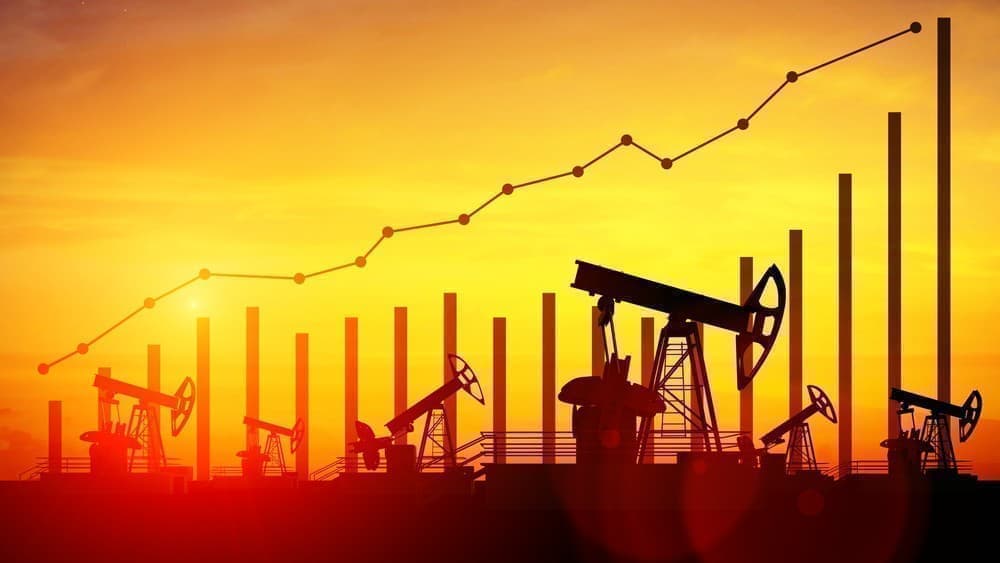
Oil prices saw a decline on Wednesday, bringing an end to a three-day period of gains as market participants monitored the status of the fragile Middle East ceasefire. Investors are currently positioning themselves ahead of a high-stakes summit in China, where U.S. President Donald Trump is scheduled to meet with President Xi Jinping.
Brent crude futures decreased by $1.50, or 1.39 percent, reaching $106.27 per barrel by 5:44 GMT. Similarly, U.S. West Texas Intermediate futures saw a drop of $1.56, or 1.53 percent, falling to $100.62. Both of these benchmarks have remained consistently near or above the $100 per barrel threshold since the initiation of hostilities involving the United States, Israel, and Iran in late February, which led to the effective closure of the Strait of Hormuz by Tehran.
This downward movement follows a Tuesday session where oil prices surged by more than 3 percent, extending previous gains as expectations for a durable ceasefire between the U.S. and Iran began to diminish. The lack of progress in negotiations has clouded the outlook for reopening the strait, a critical maritime corridor that typically handles approximately one-fifth of the world’s oil and liquefied natural gas supplies. On Tuesday, President Trump indicated that he did not believe he would require assistance from China to conclude the conflict with Iran, despite the fading hopes for a peace agreement and Tehran’s continued control over the strategic waterway.
Economic inflationary pressures
China remains the largest purchaser of Iranian crude oil, maintaining its position despite significant pressure from the Trump administration. The upcoming meetings between Trump and President Xi are set to take place in Beijing this Thursday and Friday. Meanwhile, the ongoing conflict with Iran has begun to impact the economy of the United States, which is the largest in the world. Rising oil prices have resulted in more expensive fuel costs, and economists anticipate that various secondary effects will manifest in the coming months. In April, consumer prices in the U.S. recorded a sharp increase for the second month in a row, leading to the most significant annual inflation rise in nearly three years.
These inflationary trends have strengthened the expectation that the Federal Reserve will maintain interest rates at their current levels for some time. Elevated interest rates typically make borrowing more costly, which has the potential to reduce overall demand for oil. As the conflict persists, market sources citing data from the American Petroleum Institute reported that U.S. crude oil inventories declined for a fourth consecutive week. Additionally, distillate stocks also saw a reduction last week. The combination of tightening supplies and macroeconomic uncertainty continues to define the current landscape for global energy markets as traders await the outcome of diplomatic discussions in Beijing.
مقالات ذات صلة

Oil prices jump over 3 percent to $84.41 as supply...
05 مارس, 2026 07:30
Oil prices fall 1 percent to $84.56 as U.S. grants...
06 مارس, 2026 07:40
Oil prices drop to $86.98 on report of IEA plannin...
11 مارس, 2026 07:16
Oil prices surge back above $100 as Mideast tensio...
12 مارس, 2026 08:07
Oil gains 9 percent this week as prices remain abo...
13 مارس, 2026 07:50
Oil prices surge to $104.87 as Trump seeks naval c...
16 مارس, 2026 07:48
Oil prices recoup losses, surge to $102.85 as supp...
17 مارس, 2026 08:01
Oil prices contract by 2.21 percent to $101.13 fol...
18 مارس, 2026 11:34
Oil prices rise to $107.34 as investors balance ge...
23 مارس, 2026 08:30