Generation

JCM Power Enters Mozambique With 30 MW Solar Project Under Private Investment Drive


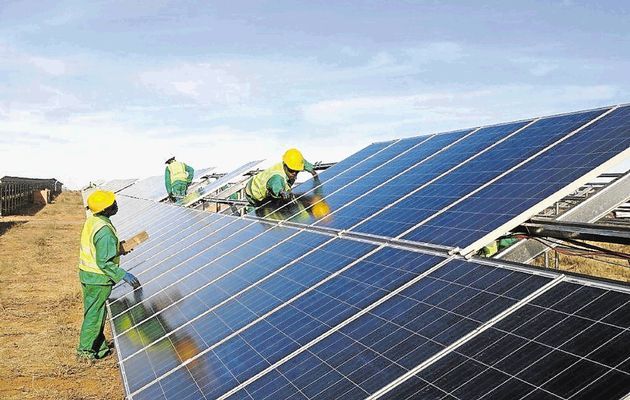
JCM Power has secured the 30 MW Manje solar project in Mozambique, giving the independent power producer its first project in the country and advancing Maputo’s effort to attract more private capital into its electricity sector.
The company announced on Aug. 25 that it had been selected to develop the plant in Tete province under Mozambique’s renewable energy auction program, PROLER.
The project dates back to 2022, when Mozambican authorities launched a prequalification process to select private investors for Manje and Chimbunila, two solar plants with planned capacity of 30 MW each. The selected developers were expected to finance, design, build, operate and maintain the facilities.
JCM Power has not disclosed the investment required for Manje or provided a construction timeline.
A Developer With a Track Record in Malawi
PROLER, backed by the European Union through the French Development Agency, aims to develop about 120 MW of renewable power through competitive tenders while increasing private-sector participation in Mozambique’s electricity industry.
Manje gives JCM Power its first foothold in Mozambique, but the company already has experience in neighboring Malawi.
There, JCM Power and its partners developed the 60 MW Salima solar plant, which began operations in 2021. The company also operates Golomoti, a 20 MW solar plant paired with a 5 MW/10 MWh battery storage system that entered commercial operation in 2022.
Supporting Mozambique’s Universal Access Goal
Manje is also part of Mozambique’s broader effort to increase electricity access. According to the country’s National Energy Compact, the electrification rate rose from 31% in 2018 to 60.1% in 2024. The government is targeting universal access by 2030.
Mozambique also plans to increase installed solar photovoltaic capacity from 98 MW in 2024 to 303 MW by 2032 under the compact.
Progress on Manje would contribute to that target while testing Mozambique’s strategy of relying more heavily on private investment to finance the expansion of its power system.
Related Articles

Parliament Committee says no need to review three ...
10 Sep, 2024 07:57
Zimbabwe’s Biggest Miners Seek $182 Million for So...
12 Sep, 2024 06:57
GreenGo Energy Expands into Namibia with Strategic...
12 Sep, 2024 07:51
OPEC Fund approves $1.2 billion for development pr...
13 Sep, 2024 08:59
Floating solar starts to gather pace in Africa, as...
13 Sep, 2024 13:18
Prominent South African energy company files for l...
16 Sep, 2024 11:00
Libyan Export Decline and Fed Speculation Propel O...
17 Sep, 2024 08:00
South Sudan says it is ready to restart pumping oi...
17 Sep, 2024 13:23
Interest grows in Africa’s oil and gas hotspot...
18 Sep, 2024 10:42