
Distribution

Iraq revives oil pipeline plan as it seeks Hormuz alternative


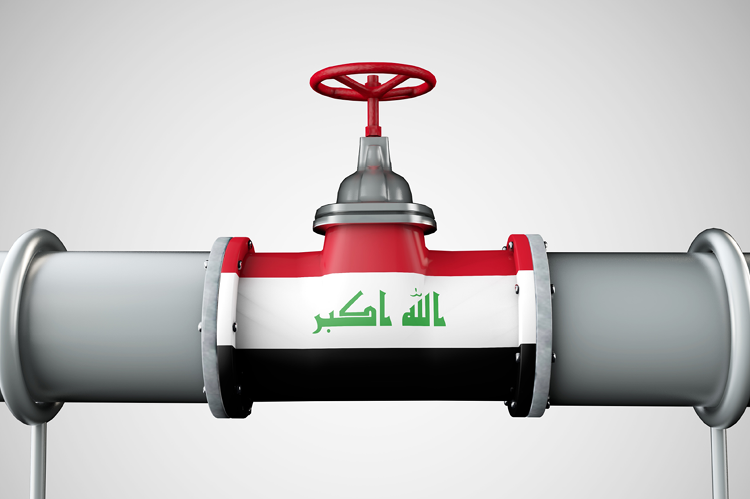
Iraq plans to seek bids from global companies for a multibillion-dollar project to build a pipeline that would transport crude from its southern oilfields to Syria and possibly Jordan.
A potential pipeline from Basra port to Haditha in the western Al-Anbar governorate has been mooted since the 1980s. The notion has resurfaced following Iran’s near-closure of the Strait of Hormuz, through which most Iraqi crude normally passes.
Iraq’s cabinet approved the project at its weekly meeting on Tuesday and asked the oil ministry to issue tenders soon.
The ministry was instructed to invite specialised international companies to submit bids, the official Iraqi News Agency (INA) reported on Wednesday.
The pipeline could extend to the western Syrian port of Baniyas on the Mediterranean and branch into Jordan, the oil ministry said last week.
INA said in late 2024 that the pipeline project could cost around ID5.9 trillion ($4.5 billion) and would have a capacity of nearly 2.2 million barrels per day.
Iraq has dropped plans to revive an $8 billion pipeline that had transported Iraqi oil to Syria for decades before conflict left the conduit crippled, officials said last month. That pipeline extends from Kirkuk in northern Iraq to Baniyas.
“The pipeline from Basra to Haditha could extend for nearly 800km. It is a feasible alternative to the perilous Hormuz, along with other projects,” said Nabil Al-Marsoomi, an economics and energy professor at Al-Maqam University in Basra.
Iraq is also pumping nearly 250,000 bpd of crude through the northern Kirkuk-Ceyhan pipeline to Turkey and rehabilitating a parallel pipeline for more exports.
Before the closure of Hormuz during the US-Israeli war on Iran, Iraq exported nearly 3.4 million bpd by tanker through the strategic waterway.
Under a newly agreed two-week ceasefire between the US and Iran, Tehran has pledged to reopen the Strait of Hormuz during that period.
Related Articles

World Bank Backed Fund targets solar energy projec...
09 Sep, 2024 13:34
Libya oil exports plunge as NOC cancels cargoes du...
12 Sep, 2024 08:31
Caterpillar introduces groundbreaking dynamic ener...
18 Sep, 2024 07:42
Saudi Arabia strikes $1 bln deal as aluminum drive...
18 Sep, 2024 09:03
Egypt and Petronas Discuss Expanding LNG Investmen...
19 Sep, 2024 13:00
6 Regional Banks Transforming Africa’s Oil & Gas I...
20 Sep, 2024 13:00
Giyani Metals advances battery-grade manganese dem...
30 Sep, 2024 09:20
Middle East tensions spike oil prices, but surge w...
01 Oct, 2024 07:59
Uganda receives first batch of line pipes for EACO...
01 Oct, 2024 09:21