
Metal Markets

Gold prices fall to $4,714.53, silver slips as investors eye key U.S. inflation report


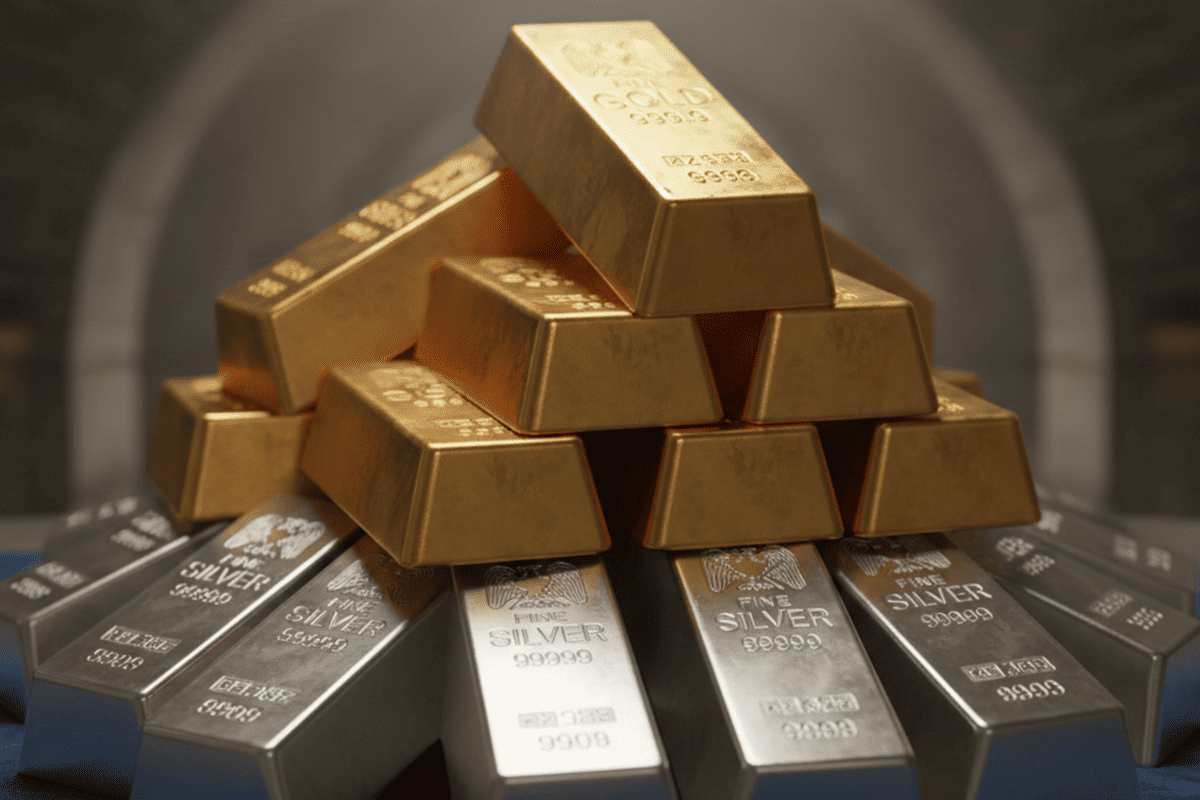
Gold prices declined on Thursday as investors stayed cautious ahead of U.S.-Iran ceasefire negotiations, while also awaiting a key U.S. inflation report later in the day for signals on the future of interest rates.
As of 4:34 GMT, spot gold dipped 0.78 percent to $4,714.53 an ounce, while U.S. gold futures for June delivery slipped 0.76 percent to $4,741.
In the UAE, gold rates were last steady, with 24-carat gold trading at AED569.25 and 22-carat gold holding at AED527.
Additionally, 21-carat gold reached AED505.25, while 18-carat gold held at AED433.25.
Meanwhile, 14-carat gold remained stable at AED337.75.
Market sentiment remains cautious ahead of ceasefire talks
Gold prices ended Wednesday up 0.3 percent, after earlier climbing as much as 3 percent, as a temporary U.S.-Iran ceasefire helped ease fears of an immediate supply disruption but did little to fully reassure investors. Brokered by Pakistan, the two-week truce is intended to stop the fighting and allow the reopening of the vital Strait of Hormuz.
Still, market sentiment remained cautious as Israeli strikes on Lebanon persisted, casting doubt on how long the ceasefire might hold. Iran also said that peace negotiations with the United States would be unreasonable under the current circumstances.
U.S. and Iranian officials are scheduled to meet in Pakistan later this week, though the main focus of the talks and further details surrounding the ceasefire remain unclear.
Spot gold has fallen by more than 10 percent since the U.S.-Israeli war on Iran erupted on February 28, as surging energy prices stoked inflation worries and led investors to scale back expectations for interest rate cuts.
“Gold’s recent correction has challenged the widely held perception of bullion as a reliable safe haven during times of geopolitical stress. However, the latest price action should not be mistaken for a structural shift. Instead, it reflects a combination of macro headwinds and positioning dynamics following an extended rally,” said Ole Hansen, Head of Commodity Strategy, Saxo Bank.
“At the core of the decline has been the nature of the shock itself. Unlike traditional risk-off environments that support gold, the Middle East conflict triggered a supply-driven inflation shock. Surging energy prices lifted inflation expectations, prompting a reassessment of central bank policy paths. Rate cut expectations were pushed out, bond yields moved higher and the dollar strengthened – all factors that typically weigh on non-yielding assets such as gold,” he added.
U.S. inflation data in focus
Non-yielding gold typically benefits when interest rates are low. Minutes from the Federal Reserve’s March 17-18 meeting showed that a growing number of policymakers saw the possibility of further rate hikes to contain inflation, which remained above the central bank’s 2 percent goal, especially amid the impact of the Iran war.
Investors are now focused on upcoming U.S. inflation data, including February Personal Consumption Expenditures figures due later in the day and March consumer price data expected on Friday, for further signals on the Fed’s next policy moves.
“Looking ahead, gold’s trajectory will remain closely tied to macro variables, particularly real yields, dollar direction and expectations around monetary policy. While near-term volatility is likely to persist, the broader outlook remains constructive. Continued central bank demand, ongoing geopolitical uncertainty and concerns around fiscal sustainability all provide underlying support,” Hansen added.
Other precious metals
As gold prices declined, the broader precious metals market saw mixed movement on Thursday. Spot silver slipped 0.15 percent to $74.01 an ounce, while platinum fell 0.56 percent to $2,018.25. However, palladium rose 0.29 percent to $1,559.29.
Related Articles

Saudi Arabia champions global partnerships to powe...
21 Oct, 2025 06:51
Can Turkey Become a Rare Earth Element Power?...
23 Oct, 2025 13:24
Orion Minerals Set to Develop Secure, Responsible,...
23 Oct, 2025 14:12
Investing in Platinum Stocks...
24 Oct, 2025 06:56
Copper And Aluminum Prices Climb As Supply Worries...
24 Oct, 2025 07:09
Dubai 24-carat gold prices dip AED3.75 as global r...
24 Oct, 2025 12:06
Bauxite sales up but tariffs on Chinese metal ship...
27 Oct, 2025 13:15
Angola bids for majority stake in De Beers, source...
28 Oct, 2025 07:02
Dubai 24-carat gold price today drops AED479; glob...
28 Oct, 2025 08:15