البحرية

Carriers edge back to Suez as Hormuz attacks near 80 since Feb


By: OrePulse
Major container lines are cautiously restoring services through the Suez Canal after nearly three years of routing vessels around Africa's Cape of Good Hope, even as ongoing attacks on shipping near the Strait of Hormuz keep carriers from fully committing to the shorter route.
Maersk and Hapag-Lloyd's Gemini Cooperation said four more of their joint services — AE5, AE11, AE12 and ME2 — are moving from Cape routing back to the canal, adding to two services, AE15 and AE19, that had already returned. The switch began September 19 with AE11, which changed first on its westbound leg out of Tanjung Pelepas; AE5 was scheduled to follow on September 21 and ME2 on September 24. The affected strings connect Asia with Northern Europe, the Mediterranean and India, calling at ports including London, Rotterdam, Algeciras, Barcelona, Genoa and Colombo.
The two carriers said the shorter transit was the deciding factor, describing it plainly: the Suez route "provides substantially shorter and more efficient transit times between Asia, Europe and the Mediterranean." They added that "the safety of the crew, the vessels, and customers' cargo remains the highest priority." They said further routing changes would depend on the Red Sea security situation remaining stable and regional conflict not escalating.
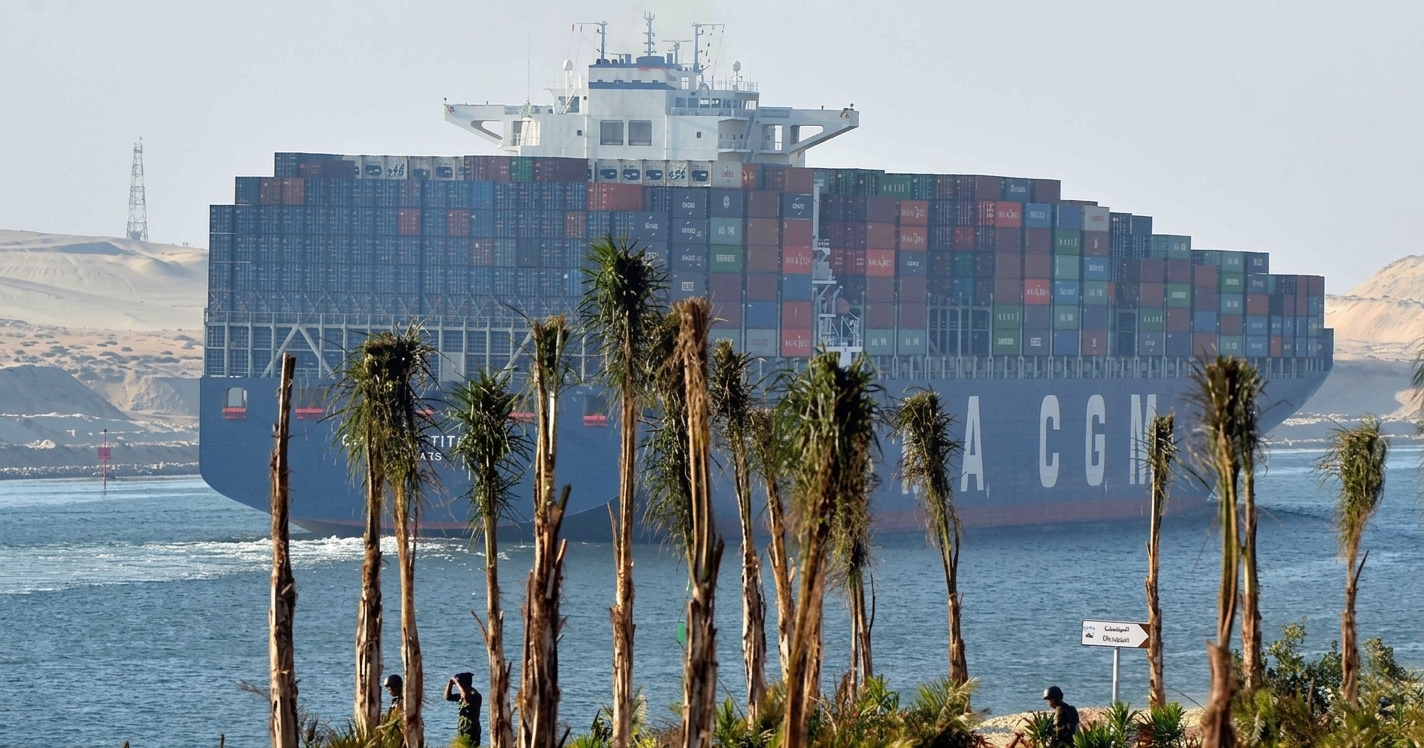
Other major lines are moving more cautiously. MSC has resumed only part of its Indusa service, sending westbound cargo through Suez on its initial sailings while continuing to route eastbound cargo around the Cape. CMA CGM has taken a similar split approach on its FAL2 and FAL5 services, using Suez for eastbound legs while keeping westbound sailings on the Cape route. COSCO Shipping Lines marked its own milestone when the 24,188-TEU containership OOCL Portugal completed a southbound Suez transit, its first since the crisis that began in late 2023 forced most container traffic to divert around Africa.
The gradual return is showing up in the canal's own statistics. Container ship net tonnage transiting Suez reached 72.1 million tons in the January-to-August period of 2026, up 54.2 percent from 46.7 million tons in the same months of 2025. On September 16 alone, 39 vessels transited the canal carrying a combined net tonnage of roughly 2.3 million tons.
Even so, the security backdrop remains unsettled. The International Maritime Organization has verified 80 attacks on shipping in and around the Strait of Hormuz since February 28, resulting in at least 22 seafarer deaths, and the organization has confirmed that attacks have also resumed in the Red Sea, including an August 11 incident in which four crew members were killed. Traffic through Hormuz itself remains sharply reduced; Reuters reported that only four commodity vessels transited the strait on one recent day, compared with a ten-day average of 16, and noted that some vessels have switched off their automatic identification system transponders, making traffic through the chokepoint harder to track.
Those risks mean the Cape of Good Hope route remains what shipping executives describe as an essential fallback for the global container network, even as more capacity shifts back toward Suez. Rather than reverting to network-wide policies that sent virtually all container traffic around Africa in 2024 and 2025, carriers are now making routing calls service by service and, in some cases, voyage by voyage, weighing security risk against transit time and cost on each string individually. That piecemeal approach marks a departure from the earlier, more uniform diversion policy. It suggests that any full-scale return to Suez will depend on a sustained, verified improvement in conditions around both the Red Sea and the Strait of Hormuz rather than a single announcement from any one carrier.
مقالات ذات صلة
Mawani, Sultan Logistics to build logistics zone i...
03 مارس, 2026 08:39
AD Ports Group confirms business continuity across...
04 مارس, 2026 12:04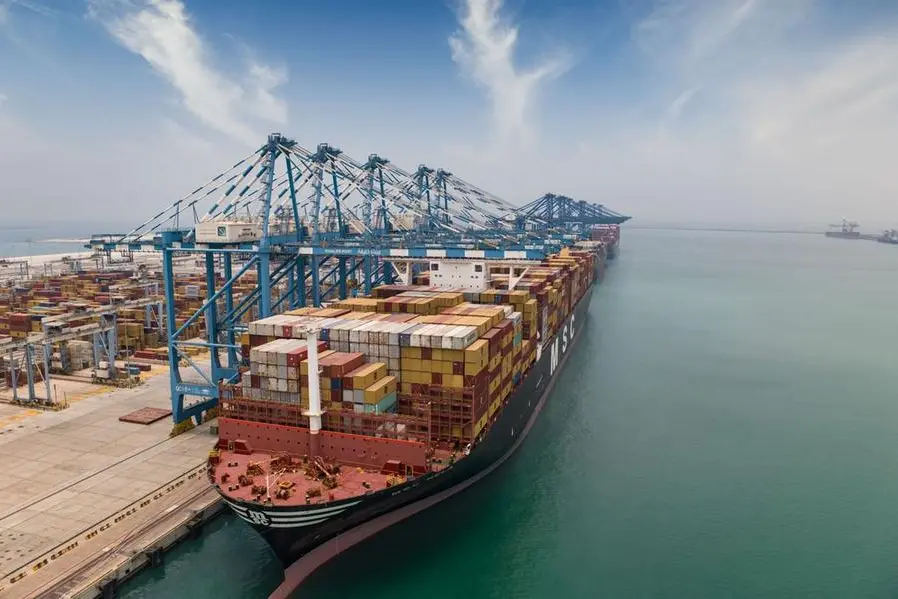
AD Ports says rerouted maritime traffic may lift v...
04 مارس, 2026 12:07
Aqaba port maintains operations as cargo vessels d...
04 مارس, 2026 12:43
All Jebel Ali terminals are operating normally...
06 مارس, 2026 09:06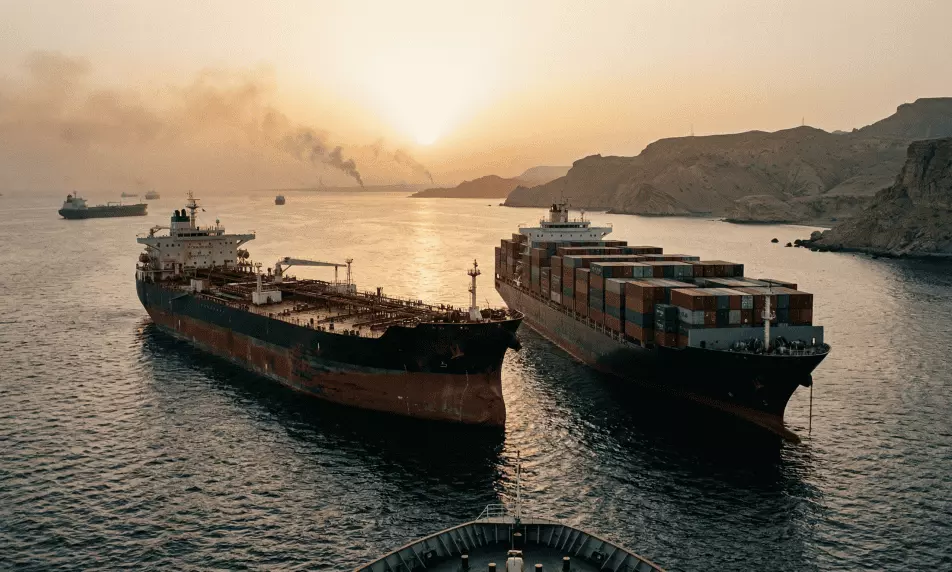
Kuehne+Nagel holds top sea freight rank in 2025...
06 مارس, 2026 10:48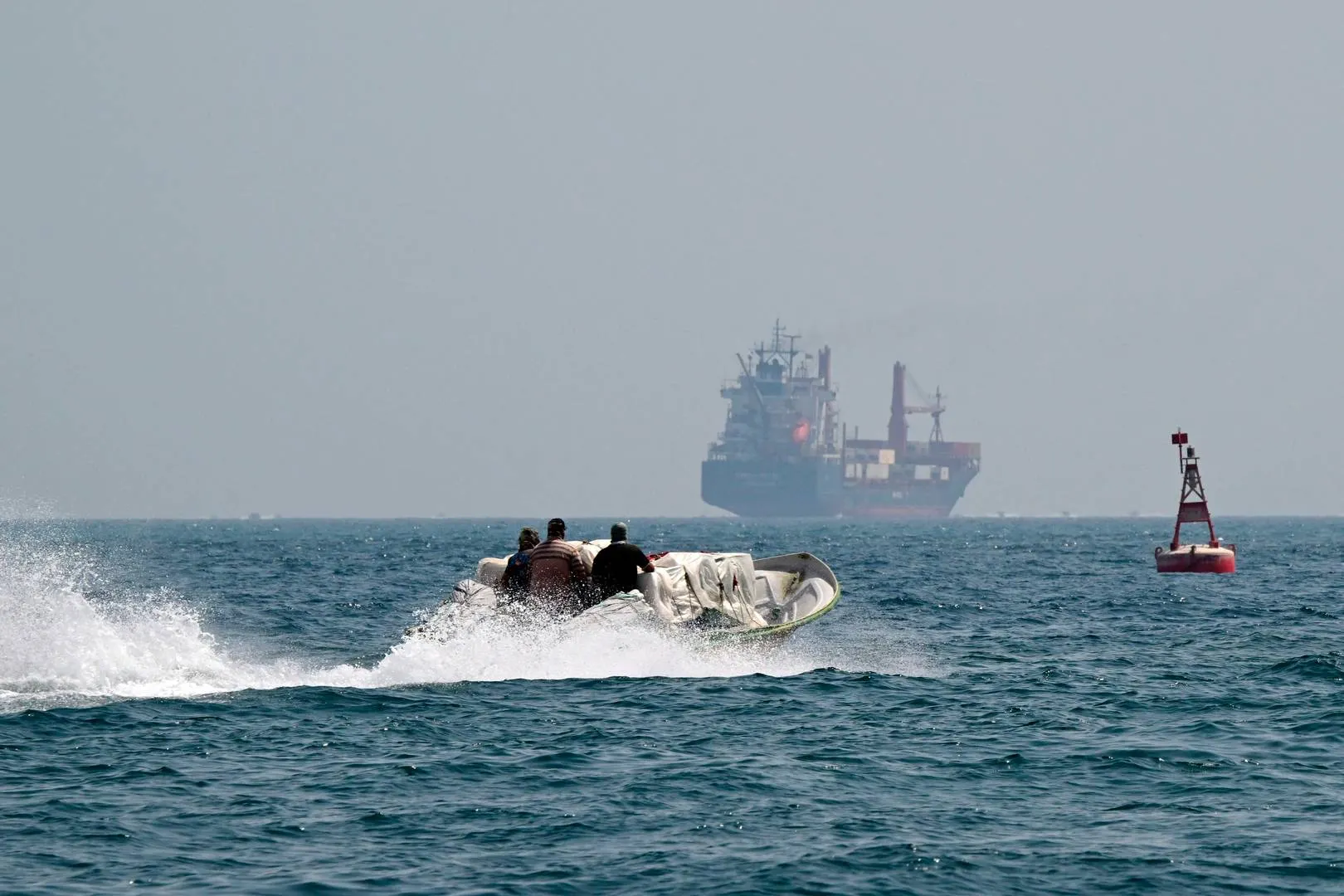
War-risk cover for Gulf shipping may take months t...
06 مارس, 2026 10:58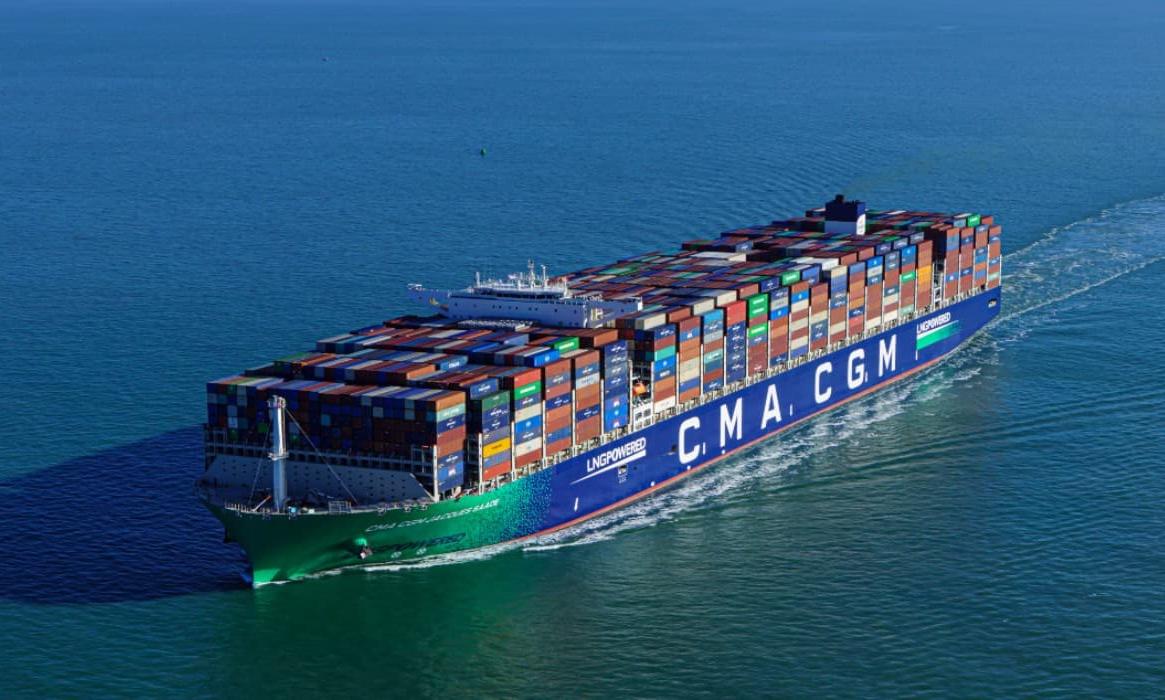
CMA CGM posts $54.4bn revenue despite volatile shi...
09 مارس, 2026 08:58
DP World handles multi-country shipments for T20 W...
10 مارس, 2026 09:32