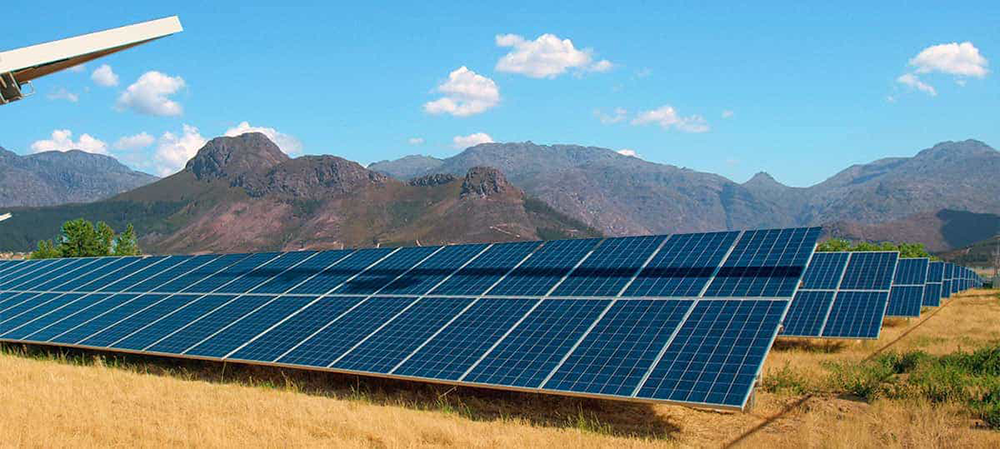
توليد الطاقة

ARC Power, Kiyona Energy Sign $60 Million Deal to Expand Solar Capacity in Zambia


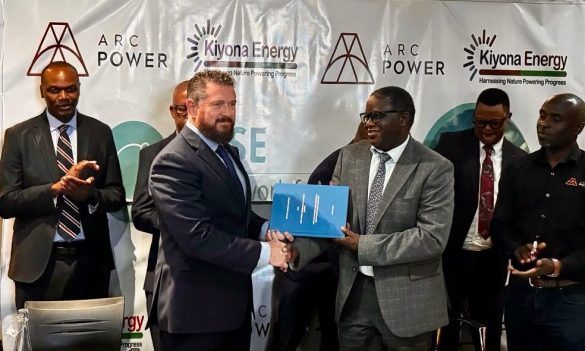
Zambia-based energy developer ARC Power has signed an agreement with Kiyona Energy for an initial $60 million solar infrastructure program in Zambia, the company said in a statement published on June 11. The investment will support the development of solar power infrastructure as Zambia accelerates spending in the sector to reduce its dependence on hydropower and strengthen energy security.
“This is not a one-off project but the first phase of a long-term programme designed to accelerate the deployment of clean and reliable electricity nationwide,” ARC Power Chief Executive Officer Karl Boyce said.
Financing Mechanism Aligned With Mission 300 Objectives
The partnership relies on ARC Power's Future Utility & Strategic Electrification (FUSE) model, a financing mechanism under which the company designs, finances and builds power infrastructure before transferring it to public utilities or national authorities.
Under the model, stakeholders can either transfer the assets through long-term repayment arrangements or operate them under power purchase agreements (PPAs) that can run for up to 20 years.
ARC Power said the approach aims to address financing constraints that continue to slow energy infrastructure development across Africa.
The company also said the model aligns with the objectives of Mission 300, the electrification initiative backed by the World Bank and the African Development Bank to expand electricity access across the continent.
Toward a More Diversified Energy Mix
The announcement comes as Zambia experiences a sharp increase in solar-sector investment.
Since 2025, developers have launched, financed or commissioned several projects, including the 136-megawatt Itimpi II solar plant, the 100-megawatt Chisamba solar park, which includes a second 100-megawatt phase under development, the 100-megawatt Siavonga project, and a 22-megawatt solar facility that Kiyona Energy built for the Natural Resources Development College.
These investments form part of the government's strategy to diversify the country's electricity mix.
Hydropower currently accounts for about 80% of Zambia's electricity generation. However, recurring droughts have increased pressure on the sector and strengthened the case for expanding alternative renewable energy sources, particularly solar power.
مقالات ذات صلة
QatarEnergy ceases LNG production following milita...
03 مارس, 2026 08:20
Africa’s expected hydrogen mobility build-out deta...
03 مارس, 2026 09:21
South Africa energy build risks stalling without f...
04 مارس, 2026 12:01
LNG shutdown sinks Qatar stocks but Tadawul reboun...
04 مارس, 2026 12:19
Africa's energy transition must support industrial...
04 مارس, 2026 12:50
Funding for Africa clean energy financing surges d...
04 مارس, 2026 13:09
Kenya: Spenomatic Group Opens Solar Learning Centr...
05 مارس, 2026 08:30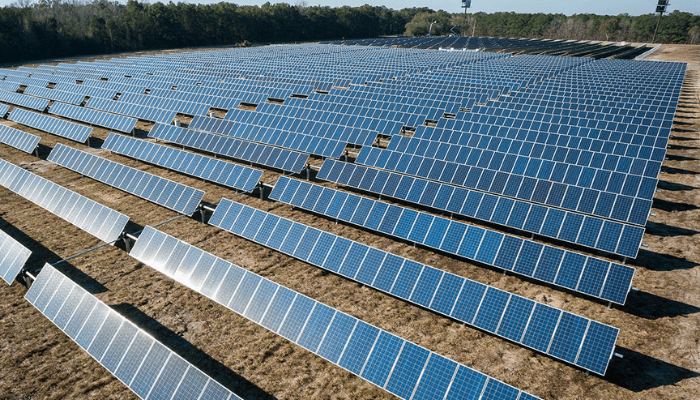
NEDC Backs Solar Mini-Grid Rollout in Niger State...
05 مارس, 2026 09:16
Dr Kgosientsho Ramokgopa frames energy as Africa’s...
06 مارس, 2026 08:17