Generation

Niger and China Settle a Year of Oil Tensions


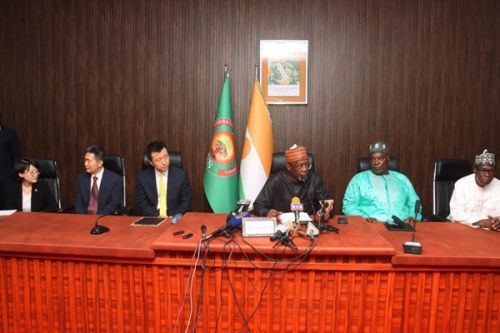
Niger and several Chinese oil companies signed a series of agreements in Niamey on Monday aimed at reviving crude production and exports after nearly a year of political and operational tensions.
The dispute, which began in 2024, centered on Chinese operators' compliance with local regulations, including local content requirements, wage disparities and the management of expatriate workers. The tensions led to the expulsion of several Chinese executives and workers, against a backdrop of growing sovereignty assertions by the military government that took power in July 2023.
Negotiations leading to the final agreement began in June 2025 in China before continuing through a series of institutional compromises overseen by Nigerien authorities ahead of the signing ceremony in Niamey.
A $1 billion investment program
Central to the deal is the relaunch of the Dinga Deep and Abolo-Yogou oil projects, backed by a combined investment of $1 billion. According to Nigerien authorities, the program is expected to raise national crude output from 110,000 to 145,000 barrels per day by 2029.
The increase in production will depend on the continued development of the Agadem Basin and export infrastructure linked to the Beninese port of Seme Podji.
China National Petroleum Corporation (CNPC), which has operated in Niger’s oil sector since 2011, remains the dominant player through subsidiaries controlling most production and transport infrastructure.
Pipeline tariffs reduced, local content strengthened
The agreement includes a reduction in crude transport costs through the export pipeline, from $27 to $15 per barrel, which Nigerien authorities say could save the state an estimated $106 million annually.
Niamey also secured a 45% stake in WAPCO, the company operating the pipeline linking Niger to the port of Seme Podji. The state previously had no stake in the strategic infrastructure.
The deal also provides for stronger local content measures, including the creation of around 450 jobs for Nigerien nationals by 2030. Authorities also aim to increase the share of local firms in subcontracting and gradually reduce the wage gap between Nigerien employees and expatriate staff.
A compromise between sovereignty and industrial dependence
The agreement reflects a compromise between Niamey’s efforts to reassert greater control over natural resources and its continued dependence on Chinese operators.
While Niger secured several concessions, including a stake in WAPCO, lower pipeline tariffs and stronger local content measures, CNPC remains the dominant technical and financial operator in the sector.
The agreement gives Niger greater negotiating leverage and additional fiscal resources without significantly changing the sector’s operational structure. The main test will be whether both sides follow through on commitments related to pipeline governance and local content implementation.
Related Articles

Parliament Committee says no need to review three ...
10 Sep, 2024 07:57
Zimbabwe’s Biggest Miners Seek $182 Million for So...
12 Sep, 2024 06:57
GreenGo Energy Expands into Namibia with Strategic...
12 Sep, 2024 07:51
OPEC Fund approves $1.2 billion for development pr...
13 Sep, 2024 08:59
Floating solar starts to gather pace in Africa, as...
13 Sep, 2024 13:18
Prominent South African energy company files for l...
16 Sep, 2024 11:00
Libyan Export Decline and Fed Speculation Propel O...
17 Sep, 2024 08:00
South Sudan says it is ready to restart pumping oi...
17 Sep, 2024 13:23
Interest grows in Africa’s oil and gas hotspot...
18 Sep, 2024 10:42