Storage

Mauritania Doubles Fuel Storage to Shield Power Market from Global Shocks


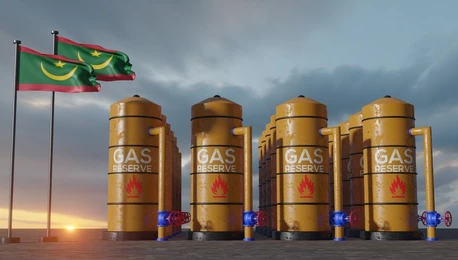
Mauritania has completed the first phase of an expansion of its liquid fuel storage infrastructure in Nouakchott – part of an effort to reduce vulnerability to volatile global fuel prices amid an already constrained domestic power market. The government announced that 23,000 m³ of new storage tanks are now operational and an additional 100,000 m³ of capacity is under construction, lifting total storage to approximately 123,000 m³ from about 60,000 m³ previously. This expansion comes at a time when African fuel supply systems are feeling the strain from global disruptions tied to the ongoing U.S.-Israeli war with Iran, which has slashed shipments through the Strait of Hormuz, driven up oil prices and caused fuel stocks to thin across the continent.
Mauritania – a hydrocarbon producer since 2024 – now has the opportunity to shift from an import‑dependent model toward domestic energy buffers and interconnected grids. Expanding hydrocarbon production could enhance energy security, improve predictability for industrial and transport power demand and lay the groundwork for increased regional trade with neighbors such as Senegal.
Mauritania’s Fuel Crisis Meets Gas-to-Power Opportunity
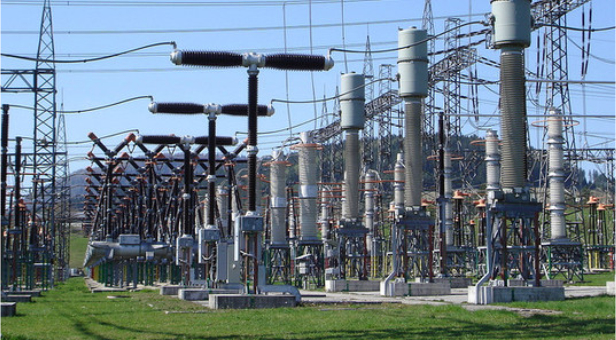
Mauritania’s electricity sector remains heavily dependent on imported petroleum products, including diesel and heavy fuel oil, for generation. Approximately 98 % of national electricity comes from thermal plants, with overall installed capacity around 500 MW, of which only about 20% is from renewables. About 57% of the population had access to electricity in 2025, with disparities between urban centers and rural regions. Insufficient reliable generation and frequent outages were documented before the Middle East conflict, underscoring the grid’s vulnerability when fuel supplies tighten or costs spike.
Mauritania, despite its dependence on imported fuels, has domestic hydrocarbon resources that could be harnessed to cushion the country against future energy crises. The Greater Tortue Ahmeyim (GTA) offshore gas project – jointly developed with international oil companies bp and Kosmos Energy – maintains an annual LNG output of 2.7 million tons, underlining its growing contribution to the region’s energy supply. Beyond GTA, the offshore BirAllah gas field contains an estimated 2.265 billion m³ of recoverable gas. The Banda and Tevet fields – awarded to a consortium including Taqa Arabia and GoGas Holding – add further scale, with reserves of 62.2 million m³. This positions Mauritania as a prime opportunity to develop gas-to-power projects to provide domestic power.
How Mauritania Can Leverage Regional Trade to Strengthen Energy Security
To strengthen the national grid and reduce power system fragility, Mauritania is advancing regional energy trade. The African Development Bank’s “Desert to Power” program aims to establish a 225 kV interconnector, a high‑voltage transmission line spanning 1,373 km with a 600 MW transfer capacity that will link the power systems of Mauritania and Mali. The interconnection is designed to connect up to 80,000 new households in Mauritania to reliable electricity and will help integrate larger solar and other renewable capacities into a regional network while reducing dependence on costly fuel‑based generation.
Another potential solution lies with Senegal. The Sangomar oil field, developed by Woodside Energy, produces around 100,000 barrels per day. Senegal is advancing its SAR 2.0 refinery upgrade to increasingly process local crude, targeting an annual capacity of 4 million tons once complete. This expansion strengthens regional fuel self‑sufficiency and opens opportunities for trading diesel, gasoline, and jet fuel. Mauritania could capitalize on this proximity, reducing reliance on fuel imports from the UAE and cutting costs by sourcing fuel regionally.
Mauritania’s growing hydrocarbon production and regional interconnections could open new trade prospects. Beyond oil and gas, the country now has the opportunity to develop alternative energy sources, including green hydrogen and solar power, positioning itself as a resilient and diversified energy hub in West Africa.
Related Articles
Nigerian communities seek $310 mln from Shell, wan...
13 Sep, 2024 09:26
Aramco to increase stake in EIG’s MidOcean to 49%,...
17 Sep, 2024 07:50
Saudi Arabia starts operations for the 1st natural...
30 Sep, 2024 13:20
Grid and regulatory hurdles stand in way of Ramokg...
01 Oct, 2024 08:28
Libya Set to Revive Halted Oil Production as Bank ...
01 Oct, 2024 09:10
5th Angola Oil & Gas Opens in Luanda with Calls to...
03 Oct, 2024 11:43
How Heirs Energies turns around OML 17 in 100 days...
22 Oct, 2024 08:28
Oil Updates – crude heads for weekly gain as Middl...
25 Oct, 2024 08:31
Better news for petrol prices in South Africa...
28 Oct, 2024 09:19