Energy Other

Morocco: Samir refinery bankrupt, state not liable, minister says


By: OrePulse
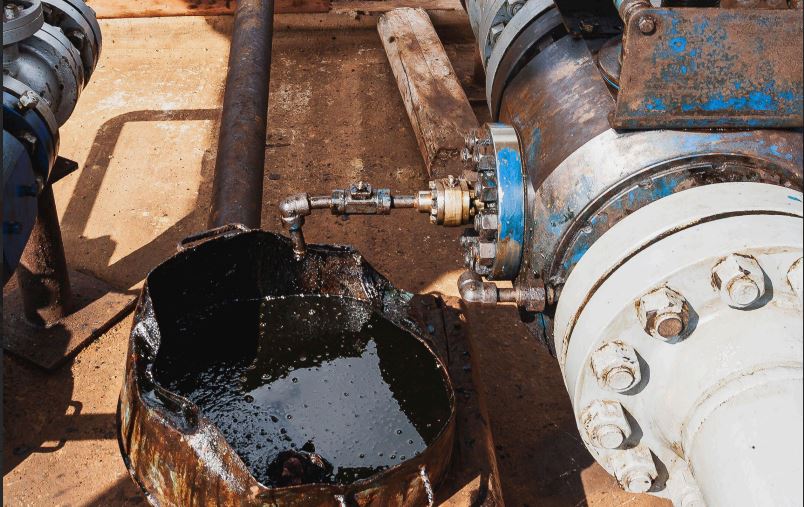
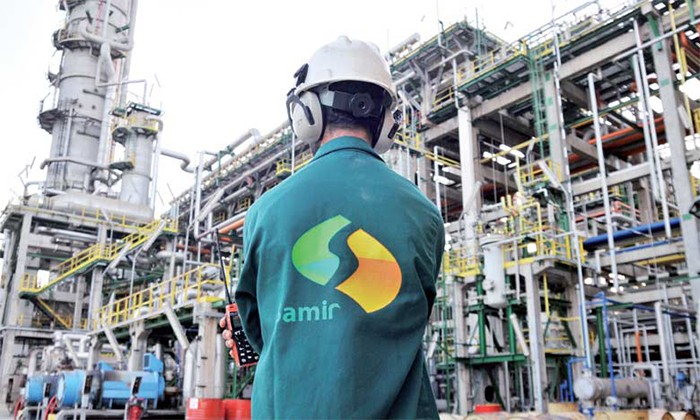
Morocco's Minister of Economy, Finance and Administrative Reform, Fouzi Lekjaa, said the country's shuttered Samir refinery is in a state of financial bankruptcy and under judicial liquidation, while stressing that the government has not decided whether to close it or allow it to restart.
Lekjaa made the comments on November 23 during debate on the 2027 finance bill in Morocco's House of Councillors, where he said responsibility for the refinery's closure rests with the private investor who previously owned it. He said customs and indirect-tax authorities are seeking roughly 13 billion dirhams, about $1.3 billion, from Samir, the company that operates the refinery, over debts linked to a temporary-admission regime for importing raw materials, on top of separate debts owed to banks.
The minister questioned why the state should be expected to rescue bankrupt private companies, noting that once Samir was privatized it shared none of its profits with the government beyond ordinary corporate taxes. He said the refinery's former output covered only about a third of Moroccan demand, meaning the country would still need to import two-thirds of its fuel even if refining resumed, and said any restart would depend on finding an investor able to run the plant efficiently and buy crude at competitive prices.
The refinery, in the city of Mohammedia, stopped processing crude in 2015, and its operating company entered judicial liquidation the following year amid mounting debt. Before it closed, the plant had a capacity of about 195,000 barrels per day. Several attempts to find a buyer have failed to restart production: in March 2026, a Casablanca commercial court rejected a $3.5 billion bid from a United Arab Emirates investor for Samir's assets, citing unmet legal conditions and financing and repayment guarantees.
Lekjaa also ruled out returning to a fuel price-cap system or broad subsidies, saying the government prefers directing funds toward specific groups in need. He said Morocco is allocating 4 billion dirhams, about $430 million, to support public and freight transport, aimed at limiting how much of the rise in fuel costs is passed on to transport prices. He added that 11 fuel-sector companies with annual net profits above 100 million dirhams, about $10.8 million, each will see their corporate tax rate rise from 35 percent to 40 percent.
Related Articles
South African rand falls to 3-month low as soaring...
09 Mar, 2026 08:35
Hormuz closure divides the fortunes of Middle East...
07 Apr, 2026 13:41
South Africa's Sasol aims for green jet fuel expor...
23 Apr, 2026 11:47
Africa's richest man offers to build East Africa o...
24 Apr, 2026 08:06
Jet fuel crisis boon for Nigeria's Dangote but dee...
27 Apr, 2026 14:29
IEA says Middle East conflict altering medium-term...
07 May, 2026 12:53
Algeria’s Rising Role in Global Energy Geopolitics...
12 May, 2026 08:29
Senegal Unveils Six-Point Plan to Shield Economy f...
12 May, 2026 09:36
Nigeria's airlines face trouble as jet fuel threat...
12 May, 2026 10:53