Energy Markets

Libya's oil output drops 350,000 bpd after Sharara valve shut


By: OrePulse
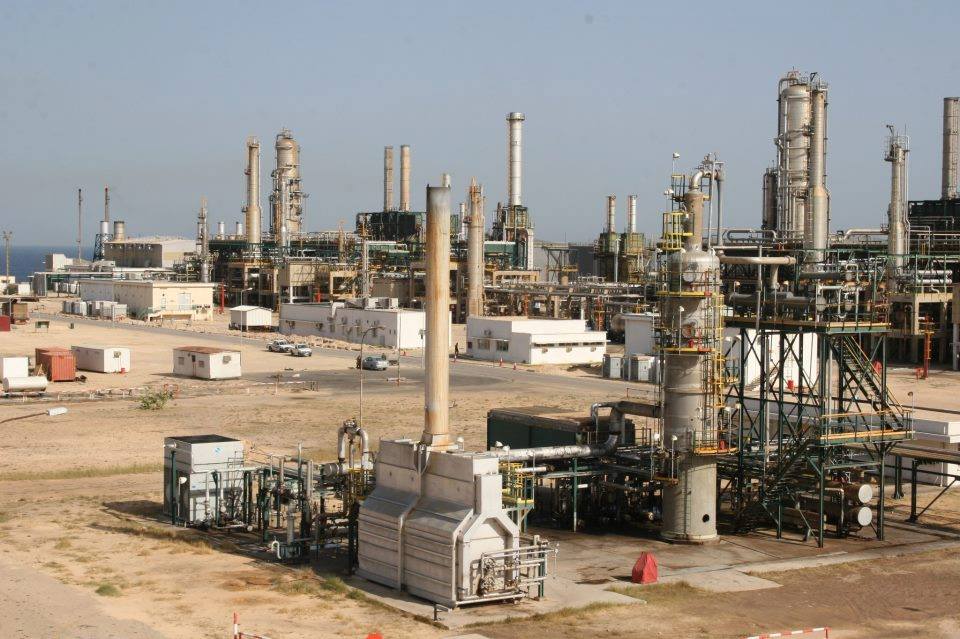
Libya's National Oil Corporation (NOC) said Monday that an armed group closed a valve on the pipeline carrying crude from Sharara, the country's largest oilfield, cutting national production by about 350,000 barrels per day. NOC condemned the closure, referring to those responsible as an "outlaw group" in its statement.
The corporation said the new disruption adds to an existing blockade at the Hamada oilfield, where a separate pipeline closure by an armed group — now running more than three weeks — has already cut output by about 15,000 barrels per day. Over the weekend, before Monday's announcement on Sharara, NOC said the prolonged Hamada shutdown had caused severe financial losses and a drop in output that it said was "directly undermining the strategic growth that the entire NOC workforce has been working tirelessly, day and night, to achieve." The corporation said cumulative losses from the Hamada closure had reached 302,778 barrels, worth about $30.8 million at current average crude prices.
With the Sharara valve now also shut, NOC said Monday that Libya's combined daily production losses had risen to about 365,000 barrels, occurring "at a time when global oil prices are rising, and the country is facing a critical economic situation." The corporation's board of directors called on the Petroleum Facilities Guard and relevant government authorities "to fulfil their responsibilities in safeguarding oil facilities and infrastructure, preventing any attacks or disruptions to their operations, and intensifying efforts to reopen both pipelines and resume production as soon as possible."
Monday's closure is the second time this year that an armed group has shut a valve on Sharara's export pipeline to the port of Zawiya; a similar closure occurred about two months earlier. The fresh disruption comes amid wider instability affecting Middle Eastern oil flows, even as shipments through the Strait of Hormuz have recovered somewhat in recent months.
Related Articles

Oil prices jump 4.48 percent to $105.77 as Strait ...
11 May, 2026 08:49
Oil prices rise 0.72 percent to $104.96 as global ...
12 May, 2026 07:10
Oil prices drop 1.39 percent to $106.27 as Strait ...
13 May, 2026 07:51
Oil prices rise to $107 as China expresses interes...
15 May, 2026 06:55
Oil prices surge as Brent tops $111, WTI rises 2.2...
18 May, 2026 09:12
Oil prices fall over 2 percent as Trump signals Mi...
19 May, 2026 07:47
Brent drops 0.17 percent to $110.79 as WTI slips 0...
20 May, 2026 07:02
Oil prices rise above $105 as concerns persist ove...
22 May, 2026 07:33
Oil prices drop over 5 percent to two-week lows on...
25 May, 2026 07:44