Energy Other

Africa’s oil and gas wealth has failed to end poverty


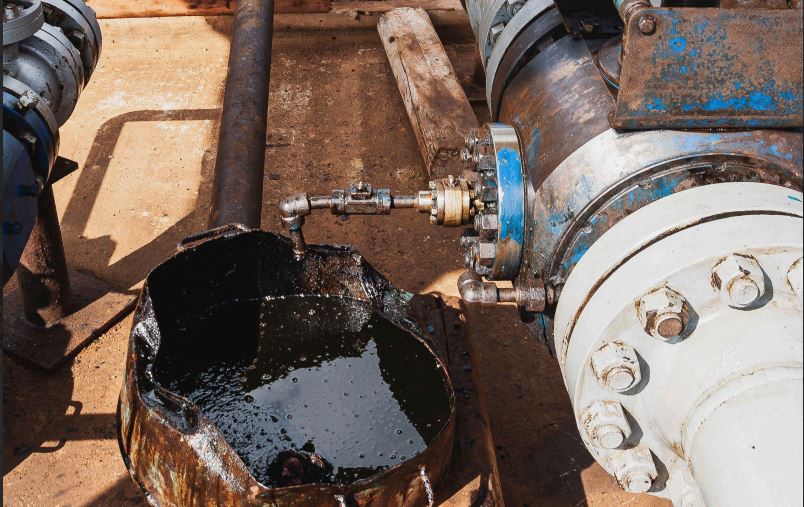
A new report released in Nairobi on Monday, May 11, 2026, by Oil Change International and Power Shift Africa argues that oil and gas production has not brought economic development to Africa’s producing nations, and has instead worsened vulnerability, inequality, and dependence. Titled Pipe Dreams, the report examines 13 oil-producing African countries and concludes that decades of extraction have failed to cut poverty or generate broad economic growth, with the gains largely captured by a small elite.
The release coincides with the Africa–France Summit taking place in Nairobi on May 11–12, 2026, under the theme “Africa-France Partnerships for Innovation and Growth,” where heads of state, governments, and CEOs are discussing energy investment and economic cooperation. The report notes that even as African countries export large amounts of oil and gas, many still rely on imported fuels and remain exposed to global price swings, while millions of Africans lack electricity and clean cooking.
Pipe Dreams identifies structural problems in the oil and gas sector that undermine development. These include wealth being extracted by multinational companies, minimal job creation, harm to other industries such as agriculture, and repeated boom-and-bust cycles. The authors warn that the current global energy crisis is amplifying these risks. With global oil and gas demand expected to peak and then fall, new fossil fuel projects could end up as stranded assets, leaving countries saddled with debt and falling revenues. By contrast, the report presents renewable energy as a more viable path that can expand energy access, create employment, and foster more resilient, locally driven economies.
 Courtesy
Thuli Makama, Africa Director at Oil Change International, said: “Oil and gas have not and will not deliver development for Africa. Instead, this model concentrates wealth in the hands of multinational corporations and political elites, while communities are harmed by pollution, lost livelihoods, and rising costs of living. The current geopolitical conflict has laid bare once again just how volatile and unjust this system is, by driving up energy and food prices, pushing millions closer to hunger, and making it harder for families to afford basic necessities. The only way forward is a shift to renewable energy that puts people first and delivers real, lasting development.”
Mohamed Adow, Founding Director of Power Shift Africa, said: ‘‘The findings of this report are difficult to ignore. Too often, oil and gas wealth has failed to translate into broad-based prosperity for ordinary Africans. Many fossil fuel-rich countries remain energy poor, while wealth flows outward and communities closest to extraction continue to be underserved. This is one of the great contradictions of our time: Africa exports energy while millions of Africans still cook with charcoal and lack reliable electricity. The issue is neither a lack of resources nor a lack of potential. The problem is an extractive economic model designed primarily around exports and multinational profits, rather than building resilient local economies and delivering energy access for people. Locking countries into another generation of fossil fuel dependence is not the pathway to shared prosperity.’’
 Mohamed Adow- Founding Director of Power Shift Africa
Jacqueline Kimeu, Senior Energy Advisor at Christian Aid, said: “The Africa-France Summit is convening at a time of significant volatility in global oil markets, underscoring the critical need to transition away from reliance on fossil fuels. With Africa’s abundant renewable energy resources, the summit provides an opportunity to make concrete commitments toward increasing investment in renewables to advance the continent’s industrialisation, promote universal energy access, and position Africa at the forefront of the global energy transition.’’
 Jacqueline Kimeu: Senior Energy Advisor at Christian Aid
Amos Wemanya, Senior Climate Advisor at Power Shift Africa, said: ‘‘For decades, French commercial interests and multinational companies have profited immensely from Africa’s oil, gas, and mineral wealth, while too many local communities continue to face poverty, pollution, displacement, and energy injustice. The old ‘pit-to-port’ model, where Africa exports raw materials and imports finished products at a premium, has failed to deliver shared prosperity. If France wants to restore trust and remain a credible strategic partner, it must move beyond acting as a buyer of Africa’s resources and instead support Africa’s ambitions for green industrialisation, local value addition, economic sovereignty, and climate-resilient development. The future of Africa-France relations cannot be built on extraction alone; but on equity, respect, and shared prosperity.”
Kudakwashe Manjonjo, Just Transition Advisor at Power Shift Africa, said: “Across Africa, we’ve seen the same pattern repeated: countries rich in oil and gas remain energy poor and communities are left behind. This is not a failure of African countries—it is a failure of an extractive model that was never designed to deliver development. Decades of fossil fuel extraction have exposed countries to volatile prices, debt, and pollution, while millions still lack access to reliable energy. Africa’s future lies in its vast potential to be a clean energy superpower.’’
 Kudakwashe Manjonjo: Just Transition Advisor at Power Shift Africa
In additional remarks, Mohamed Adow added: ‘‘For decades, Africa has been told that oil and gas extraction would deliver prosperity, jobs, industrialisation, and development. But after decades of extraction, we must ask a simple question: Where is the development? There is an alternative path besides fossil fuels. Africa holds extraordinary renewable energy potential — from solar and wind to geothermal and hydro. We have the opportunity to build energy systems that expand access, create jobs, strengthen local industry, and support long-term resilience. Africa should not be forced to choose between development and climate action. Both are possible together. Real prosperity will not come from exporting more fossil fuels. It will come from investing in our people, our renewable resources, and our future. I hope this report contributes to an honest conversation about what genuine development should look like for Africa in the years ahead.’’
Power Shift Africa is a think-tank working to mobilize climate action in Africa and accelerate the continent’s shift to 100% renewable energy. Oil Change International is a research, communications, and advocacy organisation focused on exposing fossil fuel impacts and advancing a just transition to clean energy.
Related Articles
South African rand falls to 3-month low as soaring...
09 Mar, 2026 08:35
Aramco’s 13% rally helps Saudi stocks post second ...
13 Mar, 2026 08:02
IEA Members Coordinate Historic Oil Stock Release ...
16 Mar, 2026 08:24
NamPower warns N$700 million in unpaid bills threa...
17 Mar, 2026 08:20
Middle East oil becomes most expensive in the worl...
17 Mar, 2026 08:43
Libya’s NOC launches Faragh-Brega pipeline project...
17 Mar, 2026 09:32
TotalEnergies’ global output down 15% amid Middle ...
17 Mar, 2026 09:39
Why Ethiopia’s Gas-to-Fertilizer Bet Matters for E...
19 Mar, 2026 12:58
Alake Advocates Regional Hubs to Power Africa’s Mi...
23 Mar, 2026 10:09