أسواق الطاقة

Qatar, UAE Edge Toward Easing LNG Supply Crunch as Cargoes Clear Hormuz


By: OrePulse
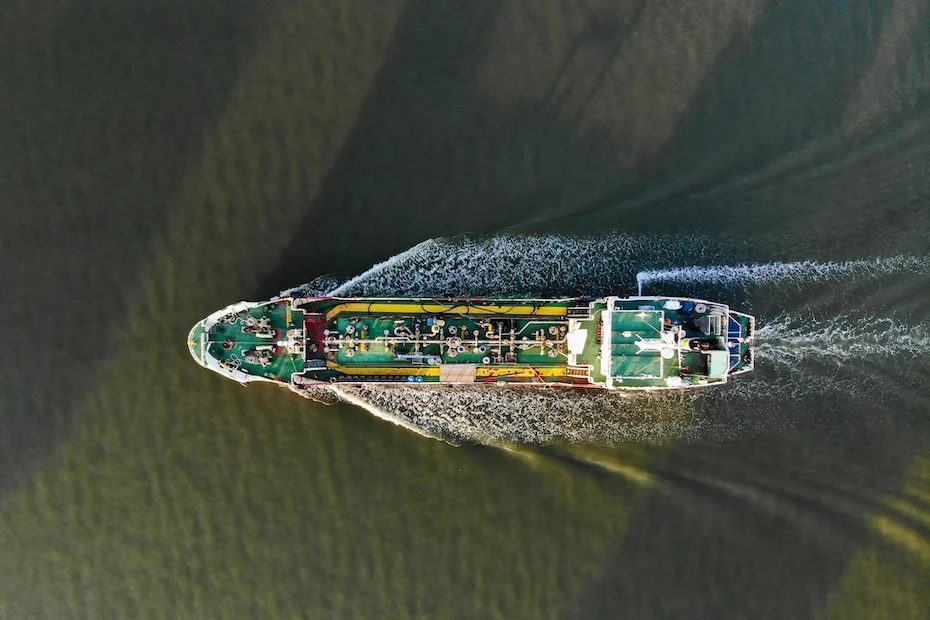
Qatar and the United Arab Emirates appear to be making headway in restoring gas flows through the Strait of Hormuz, with at least two liquefied natural gas cargoes passing through the waterway in the past week after months of severe supply disruption.
A tanker that departed Qatar's Ras Laffan export terminal in late August was later tracked in the Gulf of Oman, having crossed the strait without transmitting its position, a common evasive tactic given the signal jamming reported in the area. Separately, satellite imagery showed two LNG carriers conducting a ship-to-ship transfer off the coast of Oman. Such transfers are far less common for LNG than for oil cargoes, because keeping the fuel super-chilled while moving it between vessels at sea is a technically demanding maneuver.
Tracking data has recorded at least three LNG ship-to-ship transfers off Oman since mid-August. Before the disruption began, roughly three LNG cargoes moved through Hormuz each day, with Qatari exports alone accounting for close to a fifth of global LNG supply. By comparison, oil shipments through the strait, which more commonly rely on similar ship-to-ship transfers and vessels sailing without active transponders, have already recovered to about two-thirds of their pre-disruption volume, underscoring how much further LNG flows still have to climb back.
The disruption traces back to an attack by Iran on a Qatari tanker in early July, which brought Qatari LNG exports to a near-standstill. The resulting supply crunch has pushed global spot gas prices to levels not seen since the 2022-2023 energy squeeze, and further increases are expected as demand rises heading into the Northern Hemisphere winter. Some analysts believe prices could climb roughly a third higher still should the coming winter turn out colder than usual, a concern sharpened by comparatively thin gas inventories across Europe as the continent heads into its coldest months.
Buyers in Pakistan and Bangladesh, both heavily reliant on gas shipped through Hormuz, are watching the renewed transits closely. Every cargo that gets through reduces their need to turn to costlier spot-market purchases to cover shortfalls, at a time when competition for available gas between Asian and European buyers has intensified.
The uptick in transits suggests that Qatari and Emirati efforts to push tankers and carriers through the strait, despite ongoing risk, are beginning to yield results. Even so, shipment flows remain well below pre-disruption levels, and it remains unclear how quickly, or how fully, normal export volumes can be restored before winter demand peaks in Asia and Europe. For now, each additional cargo that makes it through Hormuz offers only incremental relief to a market strained for more than two months.
The Strait of Hormuz remains the only sea route out of the Gulf for Qatari LNG, leaving exporters with few alternatives to navigating the waterway despite the security risk. Vessels transiting without broadcasting their position, and the emergence of at-sea ship-to-ship transfers as a workaround, both point to shippers and charterers adapting operational practices to keep cargoes moving rather than waiting for the underlying tension between Iran and Qatar to be resolved.
The standoff has already reshaped global gas trade patterns over the past two months, as buyers normally served by Qatari cargoes have been forced to compete for alternative supply on the spot market, tightening balances well beyond the Gulf itself. That competition has left importers across multiple regions bidding against one another for the same limited pool of uncommitted cargoes, adding further upward pressure on prices. With winter heating demand still weeks away from its peak, the coming weeks are likely to show whether the recent uptick in transits marks the start of a sustained recovery in flows or only a reprieve for a market still short of cargoes.
مقالات ذات صلة

Oil prices jump over 3 percent to $84.41 as supply...
05 مارس, 2026 07:30
Oil prices fall 1 percent to $84.56 as U.S. grants...
06 مارس, 2026 07:40
Oil prices drop to $86.98 on report of IEA plannin...
11 مارس, 2026 07:16
Oil prices surge back above $100 as Mideast tensio...
12 مارس, 2026 08:07
Oil gains 9 percent this week as prices remain abo...
13 مارس, 2026 07:50
Oil prices surge to $104.87 as Trump seeks naval c...
16 مارس, 2026 07:48
Oil prices recoup losses, surge to $102.85 as supp...
17 مارس, 2026 08:01
Oil prices contract by 2.21 percent to $101.13 fol...
18 مارس, 2026 11:34
Oil prices rise to $107.34 as investors balance ge...
23 مارس, 2026 08:30