Storage

Morocco has diesel stocks for 51 days, energy ministry says


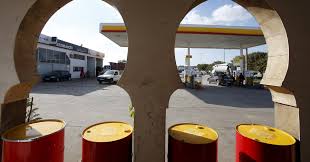
Import-dependent Morocco has enough diesel and petrol to cover respectively 51 days and 55 days, while coal and gas supplies have been secured to the end of June, the energy ministry said on Thursday.
The unprecedented energy supply disruption that has resulted from war in the Middle East and led to a record monthly gain in international crude prices in March is particularly painful for Morocco, which has no domestic refining capacity.
Fuel stations raised diesel and petrol prices by about 30% after U.S. and Israeli attacks on Iran at the end of February heightened tension across the region.
The Moroccan government, which removed diesel subsidies in 2014, has reintroduced subsidies for professional transporters, including taxis, buses and trucks, to keep prices stable.
Efforts to diversify supply
Morocco has been entirely reliant on imported diesel and petrol since 2015, after its sole refinery shut over unpaid debts and entered liquidation.
The finance minister did not respond to a Reuters request for comment on the implications of the war on the fiscal deficit and inflation, while the energy ministry said it had taken action to reduce the economic damage.
"Morocco's policy of diversifying supply sources, notably from Europe and the United States, has helped to mitigate the impact," the energy ministry told Reuters by email.
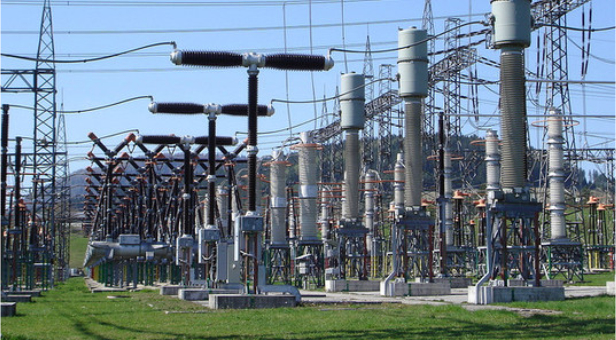
Coal accounts for about 60% of Morocco's electricity production, compared with 10% from natural gas and 25% from wind and solar power, according to the electricity regulator.
Coal prices have also risen following the Gulf conflict, but supplies have been secured until the end of June, with tenders to be issued in mid-April to cover the third quarter, the energy ministry said.
Gas supplies have been secured until the end of June, it said, adding that gas consumption has been reduced by 11% in the first quarter following an increase in hydroelectric power generation after rain filled dams.
Morocco imports most of its gas from Spanish liquefied natural gas terminals using a pipeline that previously carried Algerian gas.
Subsides can only do so much
While the government is using subsidies to try to curb prices, the import, storage and distribution of petroleum products in Morocco is managed by private firms and responds to market forces.
The finance minister has publicly said the situation in the Middle East would drive inflation, although she has not gone into detail. The government has built its 2026 budget around the assumption of $60 per barrel, far below the level of around $108 for international Brent crude on Thursday.
The central bank governor said last month Morocco could draw from a $4.5 billion IMF flexible credit line if oil prices exceed $120 a barrel.
Morocco's energy imports dropped by 5% to $11.5 billion in 2025.
Related Articles
Nigerian communities seek $310 mln from Shell, wan...
13 Sep, 2024 09:26
Aramco to increase stake in EIG’s MidOcean to 49%,...
17 Sep, 2024 07:50
Saudi Arabia starts operations for the 1st natural...
30 Sep, 2024 13:20
Grid and regulatory hurdles stand in way of Ramokg...
01 Oct, 2024 08:28
Libya Set to Revive Halted Oil Production as Bank ...
01 Oct, 2024 09:10
5th Angola Oil & Gas Opens in Luanda with Calls to...
03 Oct, 2024 11:43
How Heirs Energies turns around OML 17 in 100 days...
22 Oct, 2024 08:28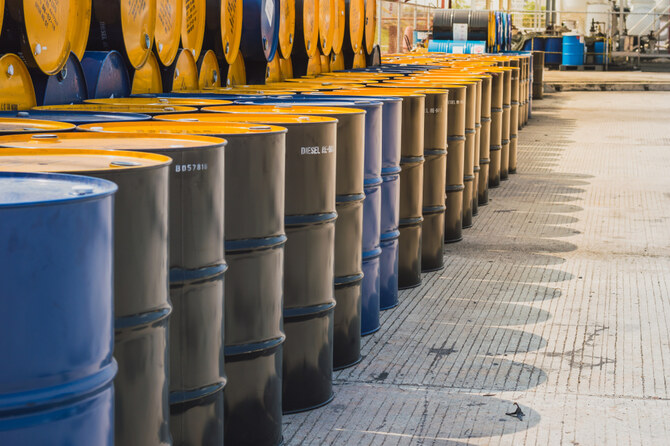
Oil Updates – crude heads for weekly gain as Middl...
25 Oct, 2024 08:31
Better news for petrol prices in South Africa...
28 Oct, 2024 09:19