مجالات التعدين الأخرى

Mineral price surge boosts Zim’s mining export outlook


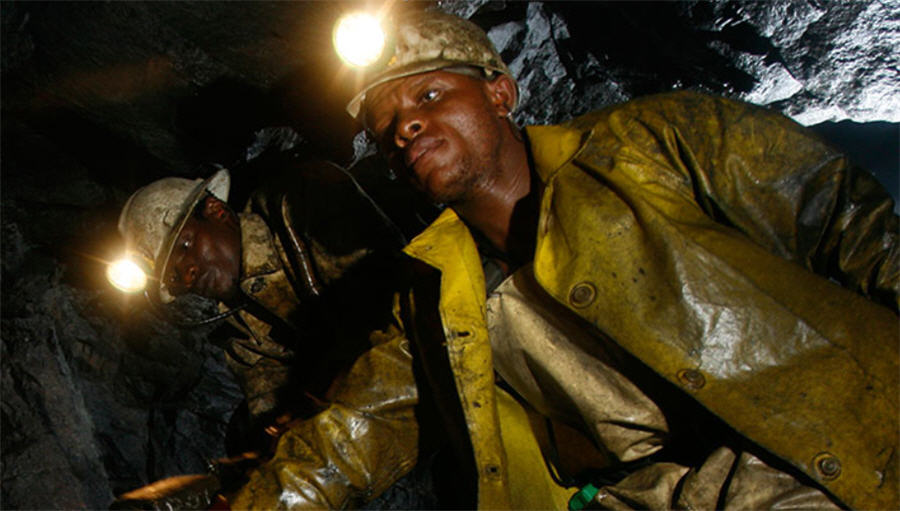
Zimbabwe’s mining sector is on course to achieve strong export earnings and solid growth this year, supported by rising mineral prices and robust output in key commodities such as gold and lithium.
This is despite persistent challenges related to high operating costs and limited access to long-term capital. Chamber of Mines of Zimbabwe chief executive Mr Isaac Kwesu said the sector recorded a mixed production performance during the first quarter of 2026.
Some minerals posted significant gains while others continued to recover from operational and market challenges.
Mining is strategically important as it contributes more than 75 percent of the country’s export earnings and accounts for an estimated 12-16 percent of gross domestic product.
Zimbabwe’s cumulative mineral export revenue reached US$8.01 billion in 2025.
This total comprises US$3.401 billion from base minerals and metals marketed by the state-owned Minerals Marketing Corporation of Zimbabwe (MMCZ) and US$4.61 billion from gold exports, which are managed separately by the Reserve Bank of Zimbabwe’s Fidelity Gold Refinery.
Addressing journalists ahead of the Chamber’s 2026 annual mining conference in Victoria Falls, which starts tomorrow and runs until June 20, 2026, Mr Kwesu said gold production rose by 10 percent during the first quarter, while lithium output surged by 54 percent, highlighting the growing importance of the mineral to Zimbabwe’s mining industry.
“The 2026 sectoral performance in terms of production was relatively mixed, with minerals such as gold and lithium recording steady growth. Gold was up by 10 percent while lithium increased by 54 percent,” he said.
“Other minerals are still recovering, but this is normal. The first quarter is usually slower and we expect stronger performance from the third quarter onwards as producers recover lost ground.”
Mr Kwesu said while production trends varied across commodities, stronger international mineral prices had significantly boosted export earnings, helping offset declines in output recorded in some segments of the industry.
“On the price side, we have seen most minerals recording increases in export earnings. Where there were production shortfalls, these were more than compensated for by higher prices. As a result, the first quarter recorded higher export earnings than the corresponding period in previous years,” he said.
Global commodity markets have remained favourable for most mining companies, with gold prices reaching record highs amid increased investor demand for safe-haven assets, while lithium and platinum group metals have also shown signs of recovery following a prolonged downturn.
Mr Kwesu said the continued strength in commodity prices would bolster mining sector performance beyond expectations by year-end.
“If the price situation remains as it was during the last quarter of last year, where we saw lithium and platinum group metals beginning to recover significantly, we anticipate that by year-end the mining sector will record very strong foreign currency earnings and solid production numbers,” he said.
The mining industry remains Zimbabwe’s largest source of export earnings, contributing more than 75 percent of the country’s foreign currency receipts and playing a critical role in economic growth, employment creation and infrastructure development.
However, Mr Kwesu cautioned that the sector continues to face several structural challenges that are affecting competitiveness and profitability. He said high energy costs, expensive financing and rising operating expenses remained major concerns for mining companies. “The mining sector, just like other sectors of the economy, is affected by systemic domestic cost drivers. Energy costs remain high when compared to competing mining jurisdictions, while the cost of capital is also a significant challenge. Our domestic financial markets are still characterised by capital shortages and most of the available funding is short-term and expensive,” said Mr Kwesu.
Mining projects typically require substantial long-term investment to finance exploration, mine development and equipment acquisition, making affordable long-term capital essential for sustainable growth.
Mr Kwesu said inflationary pressures were also increasing the cost of labour and other production inputs.
“The general inflation in labour costs and other production-related expenses remains an issue for the sector, just as it does for other industries in the economy,” he said.
Beyond production and financing challenges, Mr Kwesu highlighted the need for increased investment in mineral exploration to secure the future growth of Zimbabwe’s mining industry. He said the chamber was working closely with the Government to address policy and investment climate issues that continue to limit exploration activity.
“We are engaging the Government to ensure that issues affecting exploration are addressed. One of the key issues relates to Exclusive Prospecting Orders (EPOs), where limited activity has taken place over the years,” he said.
“If the environment is opened up and exploration opportunities are expanded, we will see increased investment in the sector.”
He also stressed the importance of supporting junior mining companies, which play a critical role in discovering new mineral deposits and attracting exploration capital.
“We are encouraged by the Government’s efforts to improve the investment climate and align Zimbabwe with international best practice in attracting exploration capital.
“Ultimately, capital follows attractive investment destinations. It is our hope that Zimbabwe will continue to improve its competitiveness and catch up with its regional peers when it comes to exploration investment,” said Mr Kwesu The Chamber of Mines of Zimbabwe will host its 2026 Annual Mining Conference under the theme, ‘Unlock Value, Maximise Benefit, Sustain Growth.’
Mr Kwesu said the conference theme reflects the industry’s desire to sustain mining sector growth while maximising its contribution to national economic development and improving the welfare of Zimbabweans.
The event is expected to bring together mining executives, policymakers, investors, development partners and service providers to discuss strategies for unlocking investment, improving competitiveness and driving sustainable growth across the country’s mining value chain. Minister of Mines and Mining Development Dr Polite Kambamura is expected to officiate as guest of honour at the conference.
مقالات ذات صلة
Endeavour announces transaction in own shares...
10 سبتمبر, 2024 07:27
Ivanhoe Mines Announces MOU with Government of Zam...
10 سبتمبر, 2024 12:24
Feasibility Study on Lumwana Super Pit Expansion E...
12 سبتمبر, 2024 14:21
Endeavour achieves commercial production at BIOX e...
13 سبتمبر, 2024 08:20
Roscan Gold Announces Changes to the Board of Dire...
16 سبتمبر, 2024 10:40
Minerals Council pays tribute to Pravin Gordhan...
16 سبتمبر, 2024 12:17
Notification of an acquisition of beneficial inter...
18 سبتمبر, 2024 08:39
Newmont on track to get at least $2 billion from a...
18 سبتمبر, 2024 10:49
UAE firm plans to invest $500m in Tanzania...
19 سبتمبر, 2024 08:37