Generation

Iraq to develop gas field devastated by Islamic State


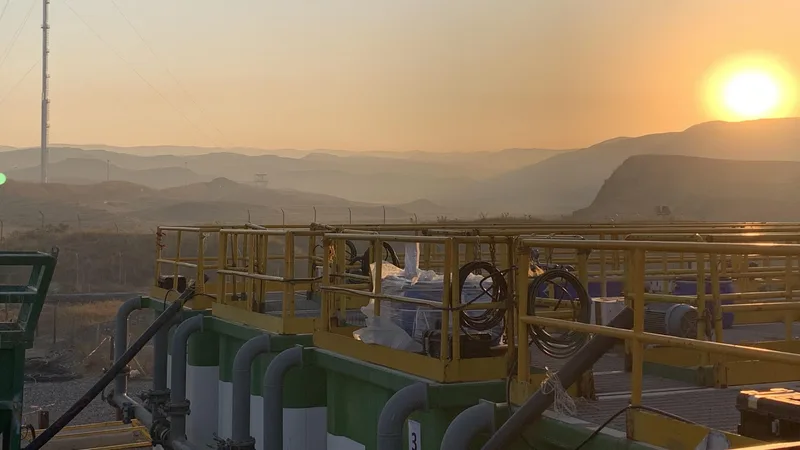
Iraq plans to triple gas production at a field badly damaged by Islamic State militants a decade ago, as Baghdad accelerates efforts to develop domestic supplies and reduce its reliance on imports from neighbouring Iran.
The Ajeel field, in northern Saladin province, produces just over 100 million cubic feet per day of gas and more than 30,000 barrels per day of oil.
Iraq’s oil ministry has approved a development plan to lift gas production to around 300 million cubic feet per day, it said on Tuesday.
The ministry’s undersecretary for gas, Izzat Ismail, said the Ajeel field would play a “significant role in bolstering supplies to power generation plants and supporting industrial sectors”.
Islamic State militants controlled and exploited Ajeel’s production facilities in 2014. The following year, much of the field was set on fire to prevent an army assault. Iraq’s military later seized the field, but the damage was extensive.
Iraq has gradually rehabilitated the field as part of a post-war reconstruction drive that prioritised the hydrocarbon sector, the country’s lifeline.
During the past three years, Iraq has awarded several contracts to foreign companies to develop oil and gas fields, with the aim of lifting capacity and ending its reliance on gas imports from Iran.
Iraq’s main gas development schemes include the gas growth integrated project, part of a $27 billion deal signed with France’s TotalEnergies in 2023.
Another scheme is the development of the giant Akkas gas field in western Al-Anbar province. The contract has been awarded to the US SLB oilfield services company, formerly known as Schlumberger.
Former prime minister Mohammed Al-Sudani declared in 2024 that Iraq would be able to be self-sufficient in gas by 2028, when most projects are completed.
Iraq has one of the world’s largest gas deposits, estimated by the Kuwait-based Arab Energy Organization at 3.6 trillion cubic metres. They have remained largely untapped, however, due to cash shortages, conflict and other factors.
Related Articles

Parliament Committee says no need to review three ...
10 Sep, 2024 07:57
Zimbabwe’s Biggest Miners Seek $182 Million for So...
12 Sep, 2024 06:57
GreenGo Energy Expands into Namibia with Strategic...
12 Sep, 2024 07:51
OPEC Fund approves $1.2 billion for development pr...
13 Sep, 2024 08:59
Floating solar starts to gather pace in Africa, as...
13 Sep, 2024 13:18
Prominent South African energy company files for l...
16 Sep, 2024 11:00
Libyan Export Decline and Fed Speculation Propel O...
17 Sep, 2024 08:00
South Sudan says it is ready to restart pumping oi...
17 Sep, 2024 13:23
Interest grows in Africa’s oil and gas hotspot...
18 Sep, 2024 10:42