أسواق الطاقة

Ghana's Fuel Cushion: Regulator Says Pump Prices Could Be 40% Higher Without It


By: OrePulse
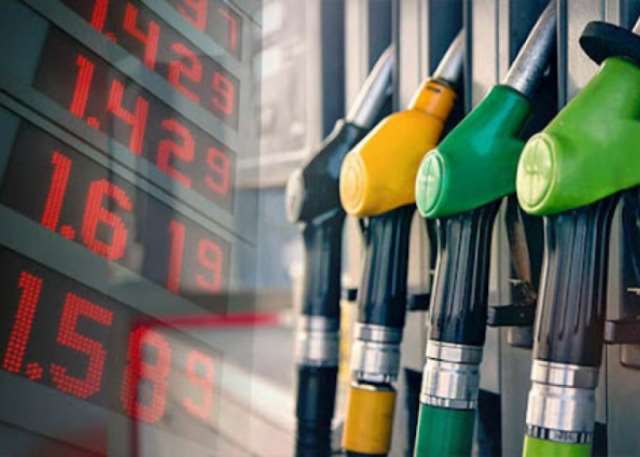
Ghana's diesel prices would be running as high as GH¢28 ($2.42) a liter if the government had not stepped in to shield consumers from rising international fuel costs, according to the head of the country's downstream petroleum regulator.
Godwin Edudzi Tamakloe, chief executive of the National Petroleum Authority, said a GH¢2-per-liter cut to the government's regulatory margin on diesel has held down pump prices, absorbing most of the increase that international prices would otherwise have forced onto consumers. "Without the intervention from government, a litre of diesel should be selling within the region of GH¢28 per litre," Tamakloe said.
Tamakloe said international diesel prices have climbed sharply since February 2026, when a metric ton cost $794; the same ton now costs $1,519, almost double.
The NPA estimates that the government's interventions to cushion consumers from rising petroleum prices now total close to GH¢1 billion. "We have done close to GH¢1 billion by way of intervention to push the impact, which otherwise would have come directly to the consumers of petroleum products," Tamakloe said.
He put the benefit in everyday terms: a motorist filling up with 10 liters of diesel is effectively receiving GH¢20 in government support through the margin cut. "Today, if you go out to the pump and buy 10 litres of diesel, what it means is that the Government of Ghana is directly putting 20 Ghana cedis in your pockets," he said.
Tamakloe's remarks come as transport unions push for fare increases, citing higher fuel costs in part as justification. He said the government's cushioning measures should be factored into any assessment of how fuel prices are affecting the operating costs of private transport operators, given that pump prices would otherwise be considerably higher.
The GH¢2-per-liter margin cut remains in place as part of the government's broader effort to shield consumers from the run-up in international petroleum prices. Tamakloe cautioned that the global market remains volatile, meaning further swings in international prices could continue to feed through to Ghana's domestic fuel costs regardless of current government measures.
مقالات ذات صلة
Oil prices jump over 3 percent to $84.41 as supply...
05 مارس, 2026 07:30
Oil prices fall 1 percent to $84.56 as U.S. grants...
06 مارس, 2026 07:40
Oil prices drop to $86.98 on report of IEA plannin...
11 مارس, 2026 07:16
Oil prices surge back above $100 as Mideast tensio...
12 مارس, 2026 08:07
Oil gains 9 percent this week as prices remain abo...
13 مارس, 2026 07:50
Oil prices surge to $104.87 as Trump seeks naval c...
16 مارس, 2026 07:48
Oil prices recoup losses, surge to $102.85 as supp...
17 مارس, 2026 08:01
Oil prices contract by 2.21 percent to $101.13 fol...
18 مارس, 2026 11:34
Oil prices rise to $107.34 as investors balance ge...
23 مارس, 2026 08:30