توزيع الطاقة

Ethiopia’s Sustainable Energy Fund for Africa Supports Mini-Grid Project Linking Clean Energy and Agriculture


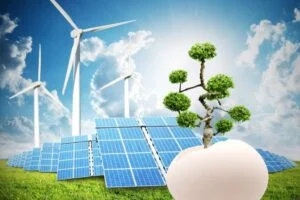
The Sustainable Energy Fund for Africa (SEFA), managed by the African Development Bank (AfDB), is extending support for a pioneering mini-grid project in Ethiopia that combines renewable energy access with agricultural development. The initiative aims to demonstrate how clean energy solutions can improve farming productivity, strengthen rural economies, and expand electricity access in underserved communities.
The Ethiopia Distributed Renewable Energy Agriculture Modalities (DREAM) programme is designed around a new business model that integrates renewable energy-based mini-grids with agricultural activities, particularly irrigation. By connecting energy infrastructure with productive agricultural uses, the project seeks to create commercially viable systems while supporting farmers and rural businesses.
The pilot programme will support the development of green mini-grids across selected locations in Ethiopia, with implementation involving government institutions, private sector developers, and development partners. The initiative is expected to improve access to reliable electricity, reduce dependence on fossil fuels for agricultural operations, and encourage investment in rural energy solutions.
Beyond expanding electricity access, the project is expected to contribute to Ethiopia’s agricultural transformation by enabling irrigation, increasing productivity, and creating new economic opportunities in rural areas. The approach could also serve as a model for other African countries seeking to address the interconnected challenges of energy access, food security, and climate resilience.
The AfDB and its partners believe the success of the DREAM programme could help accelerate the adoption of renewable energy-powered mini-grids across Africa. By combining clean power generation with agricultural development, the initiative highlights the potential of integrated solutions to support sustainable economic growth and improve livelihoods in rural communities.
مقالات ذات صلة
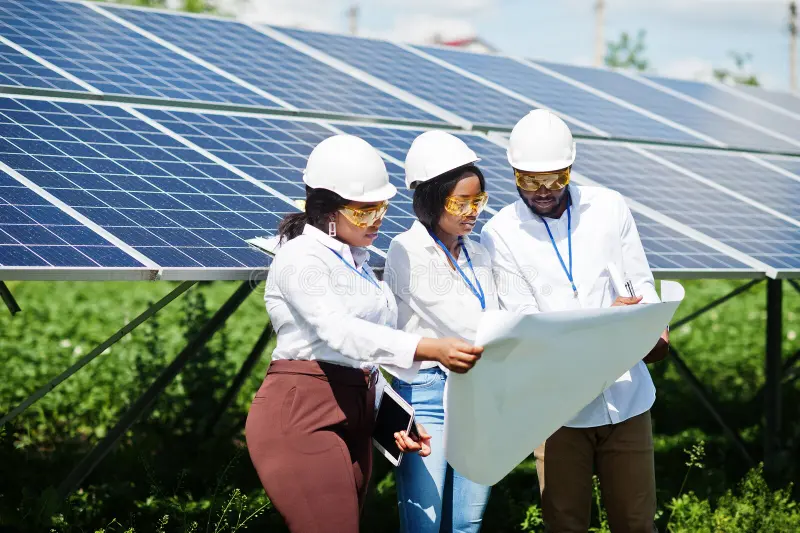
World Bank Backed Fund targets solar energy projec...
09 سبتمبر, 2024 13:34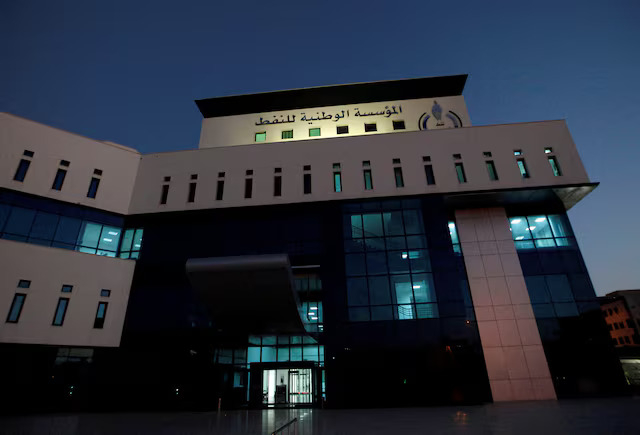
Libya oil exports plunge as NOC cancels cargoes du...
12 سبتمبر, 2024 08:31
Caterpillar introduces groundbreaking dynamic ener...
18 سبتمبر, 2024 07:42
Saudi Arabia strikes $1 bln deal as aluminum drive...
18 سبتمبر, 2024 09:03
Egypt and Petronas Discuss Expanding LNG Investmen...
19 سبتمبر, 2024 13:00
6 Regional Banks Transforming Africa’s Oil & Gas I...
20 سبتمبر, 2024 13:00
Giyani Metals advances battery-grade manganese dem...
30 سبتمبر, 2024 09:20
Middle East tensions spike oil prices, but surge w...
01 أكتوبر, 2024 07:59
Uganda receives first batch of line pipes for EACO...
01 أكتوبر, 2024 09:21