
الشاحنات

Durban Truckers Demand Transparency as Terminal Slot Disputes Persist


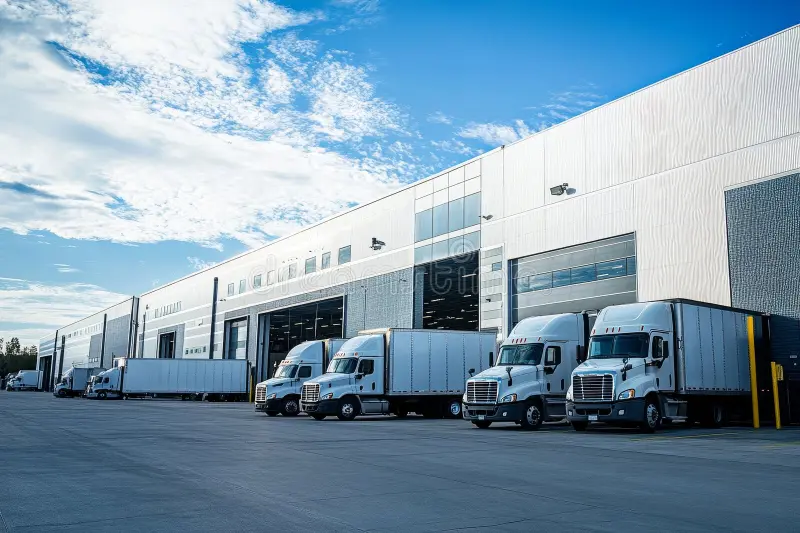
By: OrePulse
Trucking companies operating in Durban are pressing Durban Gateway Terminal (DGT) to release detailed records showing how it assigns truck booking slots, arguing that gate congestion continues to drive up costs for both exporters and importers, even as the terminal reports headway in clearing containers that had been sitting idle for extended periods.
Positive Freight Solutions (PFS), an independent trucking operator, sat down with DGT's management team on September 9 to address the issue but says the discussion failed to produce meaningful solutions. PFS chief executive Alex Hill described the outcome bluntly, noting that truck drivers still face significant difficulty picking up and dropping off containers at the terminal.
According to Hill, the underlying issue isn't technology falling short — it's a lack of visibility into how slots are allocated and subsequently freed up. He argued that a booking system immune to outside scrutiny cannot credibly claim to operate fairly, regardless of the terminal's intentions.
PFS is calling on DGT to release hour-by-hour slot availability figures for each gate, along with data on how slots are allocated and actually used. The company also wants the terminal to keep a documented record — an audit trail — tracking every instance a slot is released or pulled back, and the reasoning behind it. PFS argues this disclosure would let both transport operators and regulatory bodies independently confirm whether the system treats all operators equitably.
The financial stakes of gate congestion are substantial. Prolonged wait times at the terminal translate into higher overtime expenses for trucking firms and longer periods of vehicle downtime, while containers stuck in the yard leave cargo owners exposed to demurrage and detention fees charged by shipping lines. Hill characterized these charges as costs imposed by parties entirely outside the trucking companies' control.
Hill further contends that independent haulage firms face a built-in disadvantage compared to trucking divisions run directly by shipping lines, which he says obtain demurrage fee waivers more easily — even as those same shipping companies continue expanding their footprint into inland logistics. In his view, this dynamic adds further competitive strain on independent operators who are already shouldering the financial burden of terminal delays.
Rather than limiting the dispute to direct talks with DGT, PFS has taken the matter further by filing a formal complaint with South Africa's Competition Commission, naming DGT, port authority Transnet, and eight separate shipping lines as parties allegedly engaged in anti-competitive practices. Hill summarized his position by describing the terminal as the operational mechanism through which the alleged advantage flows, while framing shipping lines as the ultimate beneficiaries of the current slot-allocation setup.
For its part, DGT has committed to providing stakeholders with periodic updates on terminal operations, including sharing information with the media after stakeholder briefing sessions. However, it's not yet clear whether these updates will include the specific, granular data PFS has requested — namely, gate-by-gate hourly availability figures and a documented audit trail of slot releases.
This dispute reflects a long-standing tension at South Africa's busiest container port, where transport operators have repeatedly raised concerns that unclear slot-booking practices continue to add congestion-related costs, even as port authorities highlight improvements in other areas, such as reducing the backlog of containers left sitting in the yard for extended periods.
At this stage, DGT has not specified exactly what its promised operational updates will look like, or whether they will incorporate the transparency measures — hourly, gate-level slot data and a release audit trail — that PFS has specifically called for.
مقالات ذات صلة

Electric Truck Market Accelerating Logistics Trans...
22 أكتوبر, 2025 09:17
Logistics Firm AGL On The Spot Over Poorly Maintai...
22 أكتوبر, 2025 09:26
Elite Co buys Transcorp to gain foothold in Saudi ...
23 أكتوبر, 2025 09:06
Saudia Cargo named 'Best E-Commerce Carrier – Midd...
27 أكتوبر, 2025 10:43
Maersk cuts the ribbon on the final cold store in ...
29 أكتوبر, 2025 12:14
Refrigeration logistics company CGS to float in No...
30 أكتوبر, 2025 12:53
AKI launches new logistics services for businesses...
04 نوفمبر, 2025 13:24
Zelostech launch AutoLogiX for autonomous transpor...
06 نوفمبر, 2025 11:19
Aramex resumes delivery services to Syria...
07 نوفمبر, 2025 11:52