Sea

Iran's Hormuz Blacklist Triples in Three Weeks as Tanker Traffic Slows


By: OrePulse
Iran's Persian Gulf Strait Authority (PGSA) has significantly expanded its non-compliance blacklist targeting vessels passing through the Strait of Hormuz, bringing the total to 77 ships after adding 21 more in under a fortnight — marking one of the most aggressive enforcement pushes Tehran has undertaken at the strategic chokepoint to date.
The pace of expansion has been striking. The list stood at 45 vessels at the close of August and climbed to 77 by mid-September, a jump of 32 ships over just three weeks. Notably, the PGSA has offered no public explanation of what specific violations led to any individual vessel's inclusion.
Vessels that land on the list risk facing fines, detention, or even confiscation the next time they attempt to pass through the strait — a narrow waterway separating Iran and Oman that carries a significant portion of the world's crude oil and liquefied natural gas exports by sea. Under current rules, every vessel transiting the strait must first coordinate with the PGSA and secure authorization before proceeding.
Beyond targeting the vessels themselves, the authority has issued direct warnings to marine insurers, protection and indemnity clubs, and classification societies, cautioning them against continuing to provide services to any blacklisted ship — with the PGSA suggesting unspecified repercussions for those that do. Companies chartering vessels bound for Gulf ports have been advised to check the Non-Compliance List before finalizing bookings. In a further escalation, the PGSA said any vessel caught conducting ship-to-ship transfers or transshipment activity with a blacklisted vessel would risk being added to the list — a provision that effectively widens the enforcement net well beyond the ships originally named.
Vessels can be removed from the list: owners can file a formal petition with supporting justification. However, the PGSA has stayed silent on the timing or specific conditions under which it would apply penalties like fines, detention, or confiscation to a flagged ship.
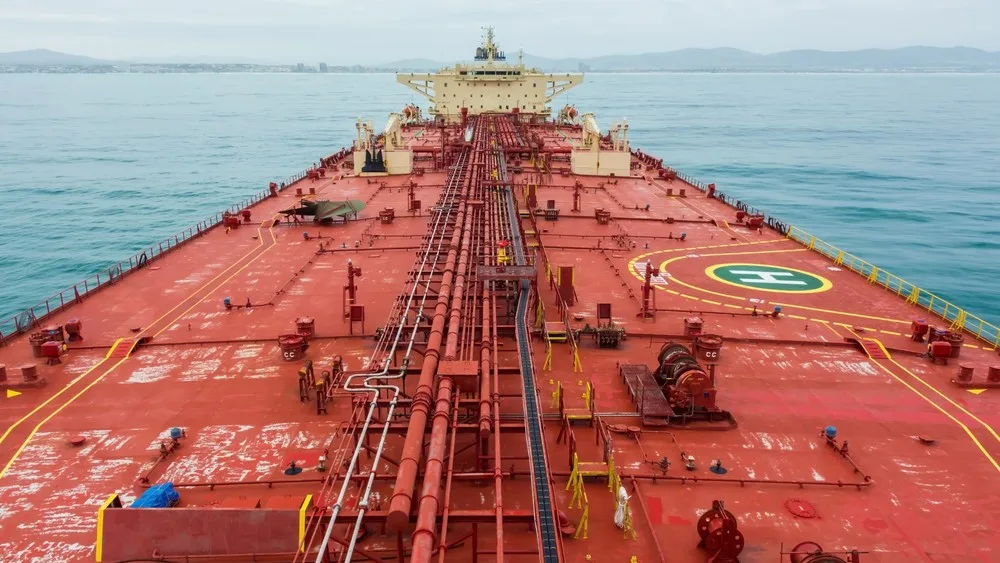
The blacklist now touches vessels linked to a broad range of shipping operators, including ADNOC Logistics & Services, Navig8, Bahri, and Sinokor. The ships affected span numerous vessel categories — from very large crude carriers and product tankers to LNG and LPG carriers, containerships, and bulk carriers — suggesting the enforcement campaign now reaches nearly every type of vessel that transits the strait, not tankers alone.
This intensifying enforcement effort has coincided with a marked slowdown in commercial vessel traffic through Hormuz. Daily crossings by commodity-carrying ships dropped into the single digits over the weekend, down from the ten-day average of 14 daily crossings — an early sign that at least some shipowners and charterers may already be altering routes or postponing transits to avoid compliance risk.
The PGSA itself has not escaped international attention. Back in May, the U.S. Treasury Department imposed sanctions on the authority, alleging ties to Iran's Islamic Revolutionary Guard Corps and accusing it of compelling commercial vessels to pay transit fees as a precondition for passage through the strait.
The rapid growth of the blacklist places a heavier compliance burden on shipowners, charterers, and insurers operating in what remains one of the world's most strategically critical shipping corridors. Insurance providers and classification societies now face two difficult options: continue servicing vessels flagged by the PGSA and risk unclear consequences from Tehran, or withdraw coverage and inspection support—a move that could leave ships stranded or force expensive rerouting.
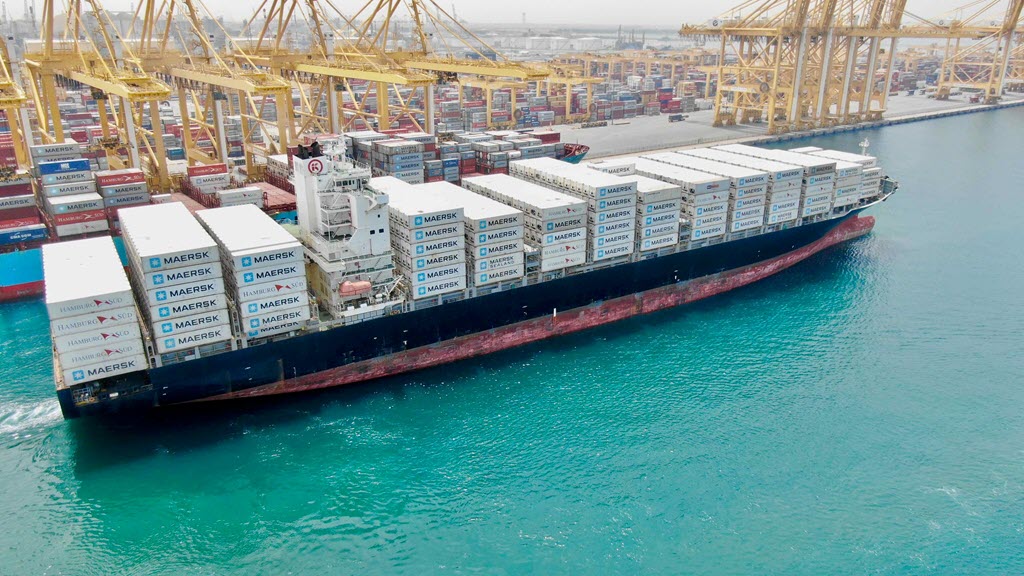
Interestingly, this crackdown is unfolding just as other parts of regional shipping move in the opposite direction. Container shipping lines have been steadily resuming Suez Canal routes after more than a year of diverting around the Cape of Good Hope to sidestep Houthi attacks in the Red Sea. The juxtaposition is notable — container operators are growing more comfortable with Red Sea transits at the very moment tanker and bulk shipping face intensifying regulatory pressure from Iran over passage through Hormuz. It clearly illustrates how unevenly security and compliance risk is currently being assessed across different Middle Eastern shipping routes.
So far, the PGSA has not released the complete roster of all 77 vessels and their flag states, nor has it detailed which specific protocol violations triggered each listing.
Related Articles

Transport & Logistics in Action – Connecting the M...
22 Oct, 2025 08:40
Appeal made for cargo harmonization across the SSA...
22 Oct, 2025 08:46
4 deals signed between Turkiye, Kuwait...
22 Oct, 2025 13:31
Beit Logistics invests $10.50mln to develop Safaga...
23 Oct, 2025 12:18
Khalifa Port rises to 39th position in Lloyd’s Lis...
23 Oct, 2025 12:24
ASCELA awarded Africa Logistics Zone Development P...
23 Oct, 2025 12:49
FG begins procurement for port modernization proje...
23 Oct, 2025 12:56
NZF delay extends unlevel playing field for EU por...
27 Oct, 2025 09:30
DP World Launches $85 Million Logistics Hub in Egy...
27 Oct, 2025 10:48