Logistic Other

Renewables and Grid Upgrades Drive Djibouti’s Energy Expansion


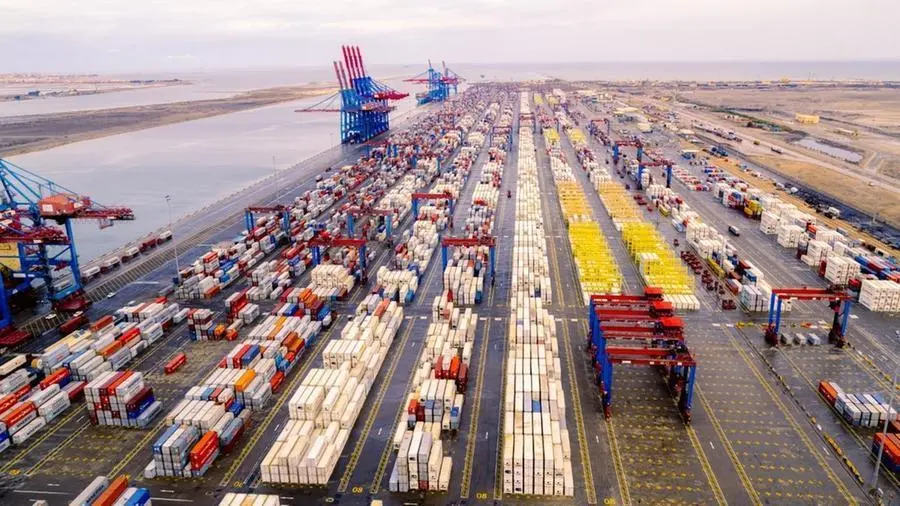
Djibouti begins 2026 with its logistics engine accelerating – and its energy system under growing scrutiny. Ethiopia and Djibouti have agreed to connect key strategic ports to the Ethio-Djibouti Railway by the end of 2026, strengthening the corridor that carries most of Ethiopia’s external trade. The deal includes direct rail links to Doraleh Multipurpose Port and the oil terminal at Horizon Djibouti Terminals, with completion targeted for November 2026.
The move reinforces Djibouti’s role as the Horn of Africa’s logistics hub. But ports, free zones, and digital infrastructure are all power-hungry. That surge in demand sharpens a critical question for 2026: can Djibouti translate years of geothermal exploration into commercial generation, or will reliance on imported Ethiopian electricity and grid constraints begin to weigh on growth?
Djibouti Pushes to Commercialize its Geothermal Potential
Djibouti is rich in renewable potential. The government and multilateral partners have explored 1,000 MW of geothermal potential for years. The nation aims to build a 20 MW-50 MW geothermal power plant in the Lake Assal region, with potential capacity estimated to exceed 100 MW. World Bank-backed drill programs have confirmed steam potential and set the stage for commercial development, possibly enabling indigenous baseload capacity. But moving from exploration to financing remains a challenge. A geothermal exploration campaign can cost between $30-50 million and involves uncertain subsurface risk.
Financing models and regulatory clarity around independent power producers, a structure widely used across the continent, will determine whether these projects can reach financial close.
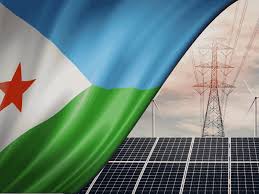
Developers and the government have also advanced solar and wind projects. The 25 MW Grand Bara solar plant, developed by Emirati renewable energy company Amea Power, is slated to come online with battery storage, adding to the electricity mix. The government’s outreach to international investors in early 2026 underlines the urgency of green energy expansion to meet industrial demand.
Ethiopia Interconnection Upgrades Set to Expand Import Capacity
Djibouti’s installed generation capacity remains modest. Its own power plants, consisting mainly of heavy‑fuel oil and diesel thermal units operated by Electricité de Djibouti, account for 120 MW. Private generation for military bases, ports and free zones bring the total domestic capacity to 220–230 MW, including wind and small solar projects.
To meet growing demand, regional interconnection upgrades are underway. Ethiopia already supplies 65% of Djibouti’s electricity through a 283-kilometer transmission line connecting Djibouti City with Dire Dawa. A second 230 kV transmission line linking the two countries will raise import capacity to 230 MW, stabilizing flows and reducing outages. These upgrades will support industrial loads, as well as the expanding railway and port systems.
Dedicated Solar Projects Target Port Power Needs
Djibouti’s logistics infrastructure is expanding rapidly, and energy provision is becoming a central part of the country’s growth strategy in 2026. To ensure reliable electricity at key nodes of trade, authorities and partners are advancing dedicated power projects. Under a cooperation framework with Egypt, Djibouti agreed to develop a 23 MW solar plant with battery storage at Doraleh Container Terminal to provide stable electricity for operations including cranes, reefer stacks and lighting. Commercial agreements signed in late 2025 also envision a 100 MW Green Port Solar Project at the container terminal, designed to supply renewable energy for heavy equipment and logistics operations while reducing exposure to volatile fuel prices.
Related Articles
South African table grape industry and Transnova A...
22 Oct, 2025 08:25
Spiro Raises US$100 Million in Africa’s Largest-Ev...
22 Oct, 2025 09:33
NXN and SAEED unite within Sharjah’s logistics sec...
24 Oct, 2025 07:48
TAHA Unveils HortiMarket A Digital Platform Revolu...
24 Oct, 2025 08:21
Chinese technology takes center stage at Ghana's t...
27 Oct, 2025 09:17
Kenya Airways flies first African route, from Nair...
27 Oct, 2025 09:23
Madbouly inaugurates $85mln DP World's logistics p...
27 Oct, 2025 12:56
Airbus cargo outlook shows 3.3% annual growth and ...
28 Oct, 2025 08:21
Nominations now open for the Logistics Saudi Award...
28 Oct, 2025 08:27