Logistic

How AI is Building Smarter, More Resilient Supply Chains in South Africa



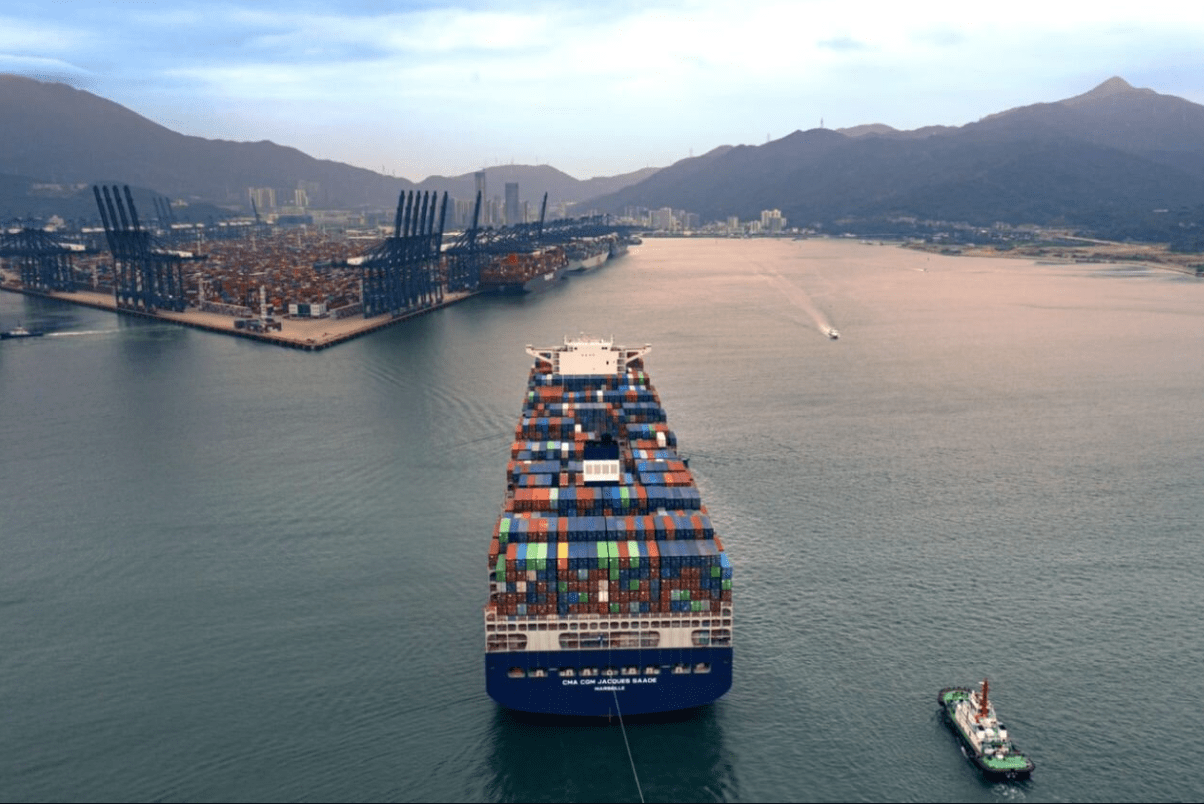
South Africa’s logistics sector, hampered by port congestion, power outages, and rising costs, is turning to artificial intelligence (AI) to cut delays, reduce expenses, and overcome deep-seated inefficiencies. A new generation of affordable AI tools is empowering local freight operators, importers, and logistics firms to build smarter, faster, and more resilient supply chains.
“What’s powerful about AI in logistics is that it closes the capability gap,” says Dylan Govender, head of supply chain at Investec Business Banking. “Smaller operators can now make the same data-driven decisions as global players, without needing the same infrastructure.”
AI in Action: From Global Lessons to Local Gains
Globally, AI is already revolutionizing logistics. Companies like DHL and PepsiCo use AI for everything from optimizing last-mile deliveries to creating "digital twins" of warehouses to simulate and improve operations. These advancements are now finding practical application in the South African context:
- Predicting Delays: AI models are being piloted at Durban's port to analyze customs and container data, flagging congestion risks early and reducing dwell times.
- Automating Paperwork: AI-powered tools extract data from waybills and bills of lading, slashing manual processing time and speeding up cross-border clearance.
- Dynamic Route Optimization: AI recalculates delivery paths in real-time to navigate unreliable road infrastructure, reducing fuel waste and late arrivals.
- Smarter Inventory Forecasting: Importers use predictive AI to anticipate demand shifts, optimizing shipment timing to avoid overstocking or stockouts.
A key innovation is Agentic AI—systems that can act independently to complete tasks. For example, such a system could detect a shipping delay, automatically recalculate the route, notify the client, and update the schedule without human intervention.
The Foundation for Success: Overcoming Data Hurdles
The biggest barrier to AI adoption in South Africa is not the technology itself, but the state of existing data and systems. AI thrives on clean, connected, real-time information, but many businesses struggle with:
- Legacy systems and manual processes.
- Siloed data across shipment, inventory, and customs platforms.
- A lack of real-time input from sensors and tracking systems.
Solving this requires API integration, which allows different software systems to communicate seamlessly, creating the unified data layer that AI needs to function effectively.
A Practical Path Forward
For South African logistics firms and importers, the key to success is to start small and focus on return on investment (ROI).
- Pick a Problem, Not a Platform: Identify the single biggest pain point, such as invoicing delays or customs paperwork, and find an AI tool that targets it.
- Leverage Cloud Tools: Utilize affordable, subscription-based AI services that require no major IT overhaul.
- Automate One Process First: Begin by automating a repetitive task to build trust and demonstrate value before scaling up.
As volatility in the logistics industry increases, AI offers a viable path for South African businesses to not only survive but thrive, transforming persistent freight challenges into competitive advantages.
Related Articles

China, Tanzania, Zambia sign initial agreement on ...
04 Sep, 2024 07:20
Arthur D. Little grows Middle East travel & transp...
05 Sep, 2024 08:16
Forum on "North-South" International Transport Cor...
05 Sep, 2024 10:29
APM Terminals to invest $115 million in Nigeria123...
06 Sep, 2024 13:37
Container spot rates drop 8%...
09 Sep, 2024 10:41
Africa Emerges as a Key Player in Global Airfreigh...
10 Sep, 2024 13:01
Shortlist spotlight 2024: Project Logistics Provid...
12 Sep, 2024 09:59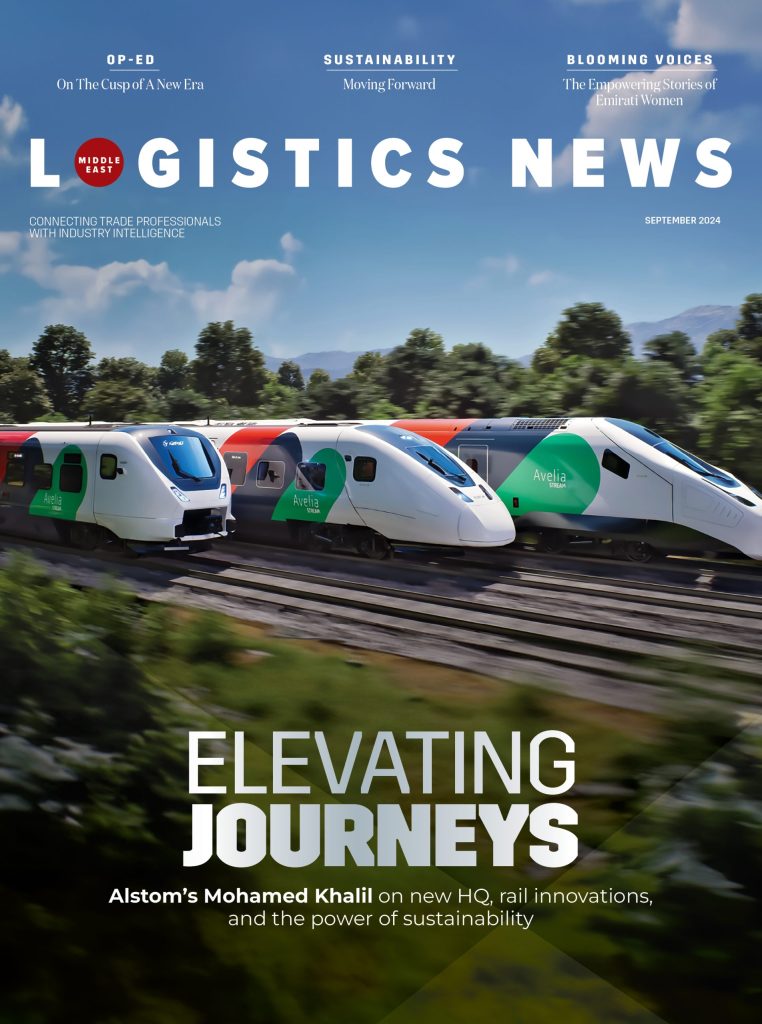
Logistics News ME’s September issue reflects on Em...
12 Sep, 2024 13:54
New Africa routes for SAA...
13 Sep, 2024 10:56