Sea

Suez Canal Return Lifts Trade as Shipping Reliability Hits 4-Yr Low



By: OrePulse
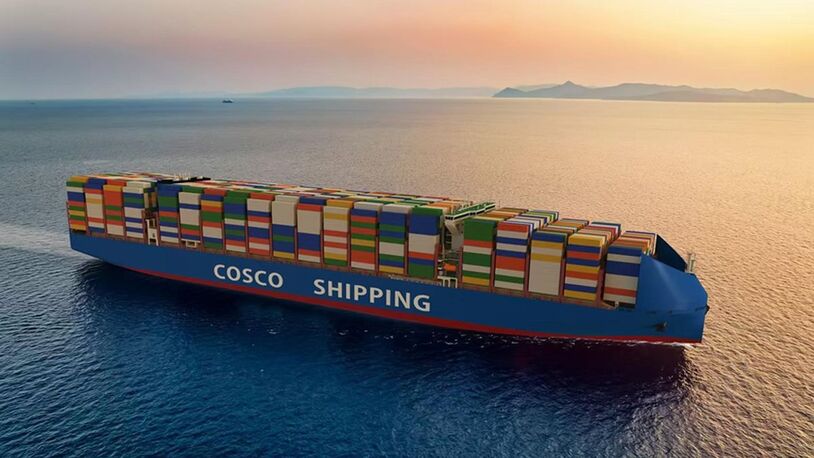
Global container shipping schedules remained among the least reliable in four years in September, even as carriers accelerated a return to the Suez Canal that is reshaping trade on routes linking Asia, the Middle East and Europe.
Only 50.6% of container vessels arrived on schedule worldwide in September, according to a report released October 28 by Sea-Intelligence, a maritime data firm. That marked a slight improvement from August's 49.9% on-time rate, the lowest recorded since September 2022, but remained far below May's 64.5%. Vessels that arrived late were on average 6.65 days behind schedule in September, compared with 6.81 days in August, and none of the world's 13 largest container carriers showed a year-on-year improvement in reliability, Sea-Intelligence said.
The disruption was concentrated in Asia, where regional schedule reliability fell to 32.3% in August and China's figure dropped to 23.9%, according to the same report. The ports of Shanghai and Ningbo were the hardest hit, with on-time arrival rates of 12.2% and 16.9% respectively. Congestion at major Chinese ports has begun to ease, though backlogs and vessel bunching continue to disrupt sailing schedules, the report said.
Freight rates climbed despite carriers' gradual shift back to shorter routes. Data released October 28 by online freight marketplace Freightos showed rates from Asia to the U.S. East Coast rose 9% to $10,565 per 40-foot container, while Asia-to-U.S.-West-Coast rates increased 3% to $8,368. Rates from Asia to the Mediterranean rose 8% to $4,252, and Asia-to-Northern-Europe rates increased 3% to $3,551. Separately, Drewry's World Container Index reached $4,585 on October 22, its highest level in 15 weeks, according to Freightos.
The rate increases came despite softer demand on some routes, reflecting continued congestion, canceled sailings and carrier pricing strategies, Freightos said. Freight forwarders have already reported discounts on some lanes, raising questions about whether further rate increases planned for November will hold.
The most significant structural shift identified in the reports is the accelerating return of container capacity to the Suez Canal. Citing estimates from maritime data provider Alphaliner, Freightos said nearly two-thirds of Asia-to-Europe container capacity has resumed Red Sea-Suez routing, as carriers including Maersk and Hapag-Lloyd progressively restore services that had been diverted around Africa's Cape of Good Hope.
For Egypt, the shift is already measurable. The Suez Canal Authority reported that Maersk's transits through the canal rose from 146 to 276 vessels between January and September 2026, with the combined net tonnage of those vessels climbing from 7 million to 23.3 million tonnes over the same period.
Further changes are planned for November, including new calls at the Egyptian ports of Port Said and Damietta, with a direct service connecting Northern Europe and Jeddah set to begin in December. Maersk is aiming to restore its full Suez Canal network by March 2027, subject to regional security and operational conditions, according to the reports.
The shift carries offsetting effects for the industry. Shorter Suez transits reduce fuel consumption, speed cargo delivery and free up vessel capacity that had been absorbed by longer African diversions — a change that could eventually ease pressure on freight rates and carrier profits even as current congestion and capacity constraints support higher prices. For manufacturers and retailers, the immediate concern remains unpredictable delivery times and elevated transport costs, while carriers may eventually face a risk of surplus capacity as disruptions subside.
Related Articles
Saudi Arabia’s Mawani introduces new service to co...
17 Mar, 2026 08:05
MSC, Nigerdock sign long-term development deal for...
17 Mar, 2026 09:40
One in 10 Gulf ships cannot be reliably tracked, a...
19 Mar, 2026 07:55
GCC launches logistics fast track route...
19 Mar, 2026 10:45
Qatar activates exceptional package of facilitatio...
19 Mar, 2026 10:49
Africa quietly becomes the new center of global sh...
23 Mar, 2026 10:34
Saudi Arabia expands shipping services via Red Sea...
23 Mar, 2026 11:55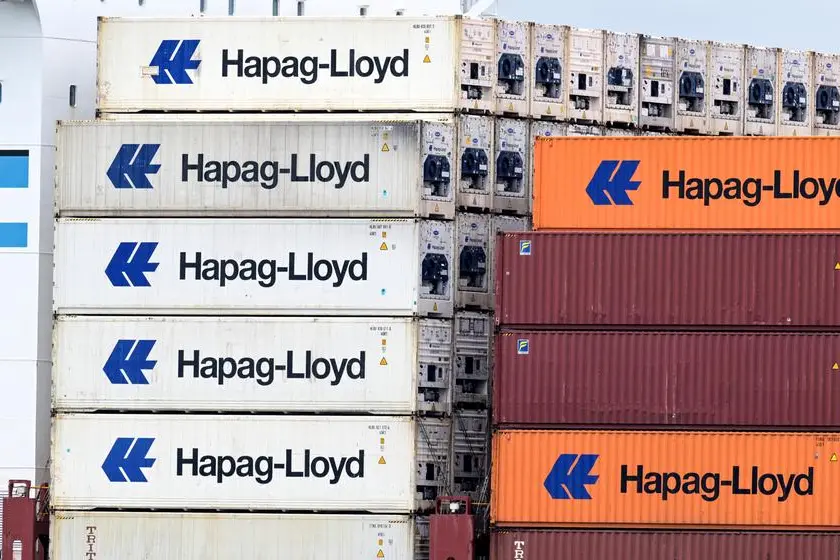
Saudi ports add five new shipping services amid Ho...
23 Mar, 2026 12:09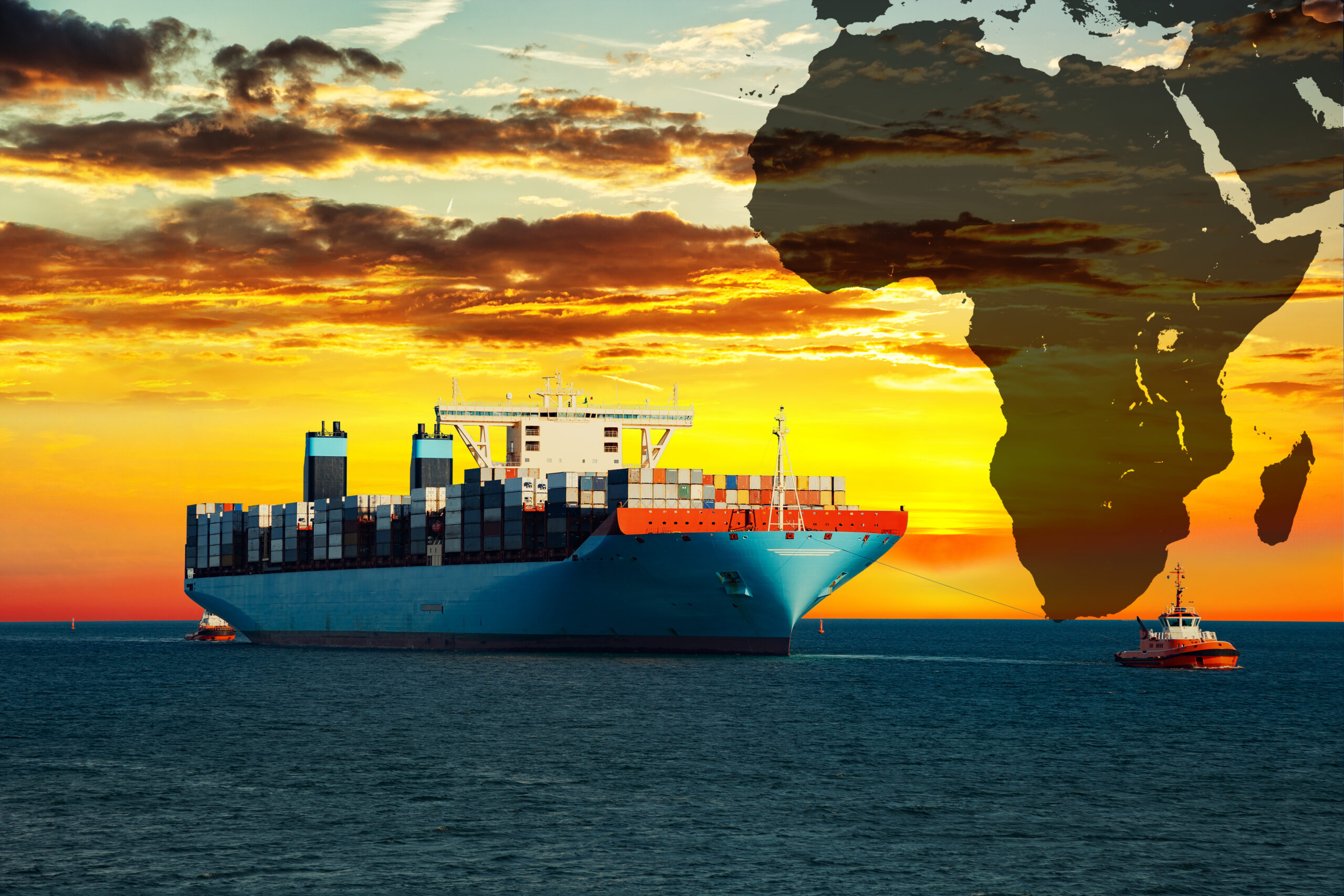
African bunkering hubs gain as ships reroute aroun...
24 Mar, 2026 12:24