Sea

Africa quietly becomes the new center of global shipping


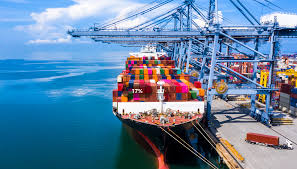
African air routes are becoming the core engine of global growth. The four fastest-growing container trade routes tracked by CTS are all related to Africa. Consulting firm Sea Intelligence further pointed out that among its global regions, Africa ranked first in both year-on-year import and export growth rates in January this year.
The transportation data confirms this leap. According to Alphaliner's November 2025 statistics, the capacity of Asia Africa routes (excluding Middle East and India Pakistan Africa routes) has surged from 1.4 million TEUs a year ago to nearly 2.2 million TEUs, an increase of 54.3%. As of mid December 2025, the total shipping capacity of all routes involving sub Saharan Africa accounts for 8.1% of the total global container fleet capacity, reaching 2.68 million TEUs.
The rise of this round of African shipping routes is highly related to the strategic layout of the world's largest shipping company, Mediterranean Shipping (MSC). Since last year, MSC has shifted some of its ultra large vessels on the Asia Europe route to the Asia West Africa market, directly driving the average vessel size of the route from 6343 TEUs to over 9000 TEUs, a year-on-year increase of 28%. At the same time, a series of large-scale modern container port projects that have been intensively put into operation on the African continent in recent years have also provided infrastructure support for capacity growth.
However, as the expansion of African air routes accelerates, the structural imbalance of traditional backbone routes is becoming increasingly prominent. CTS data shows that the trade imbalance ratio of Asia Europe routes has exceeded 4:1 for the first time, setting a new historical high. Sea Intelligence describes the current export performance in the European direction as "extremely weak" and points out that "the sharp increase in the imbalance ratio not only fundamentally changes the economic model of empty container return, but also actually pushes up the unit operating costs of carriers on heavy-duty routes
Related Articles
Saudi Arabia’s Mawani introduces new service to co...
17 Mar, 2026 08:05
MSC, Nigerdock sign long-term development deal for...
17 Mar, 2026 09:40
One in 10 Gulf ships cannot be reliably tracked, a...
19 Mar, 2026 07:55
GCC launches logistics fast track route...
19 Mar, 2026 10:45
Qatar activates exceptional package of facilitatio...
19 Mar, 2026 10:49
Saudi Arabia expands shipping services via Red Sea...
23 Mar, 2026 11:55
Saudi ports add five new shipping services amid Ho...
23 Mar, 2026 12:09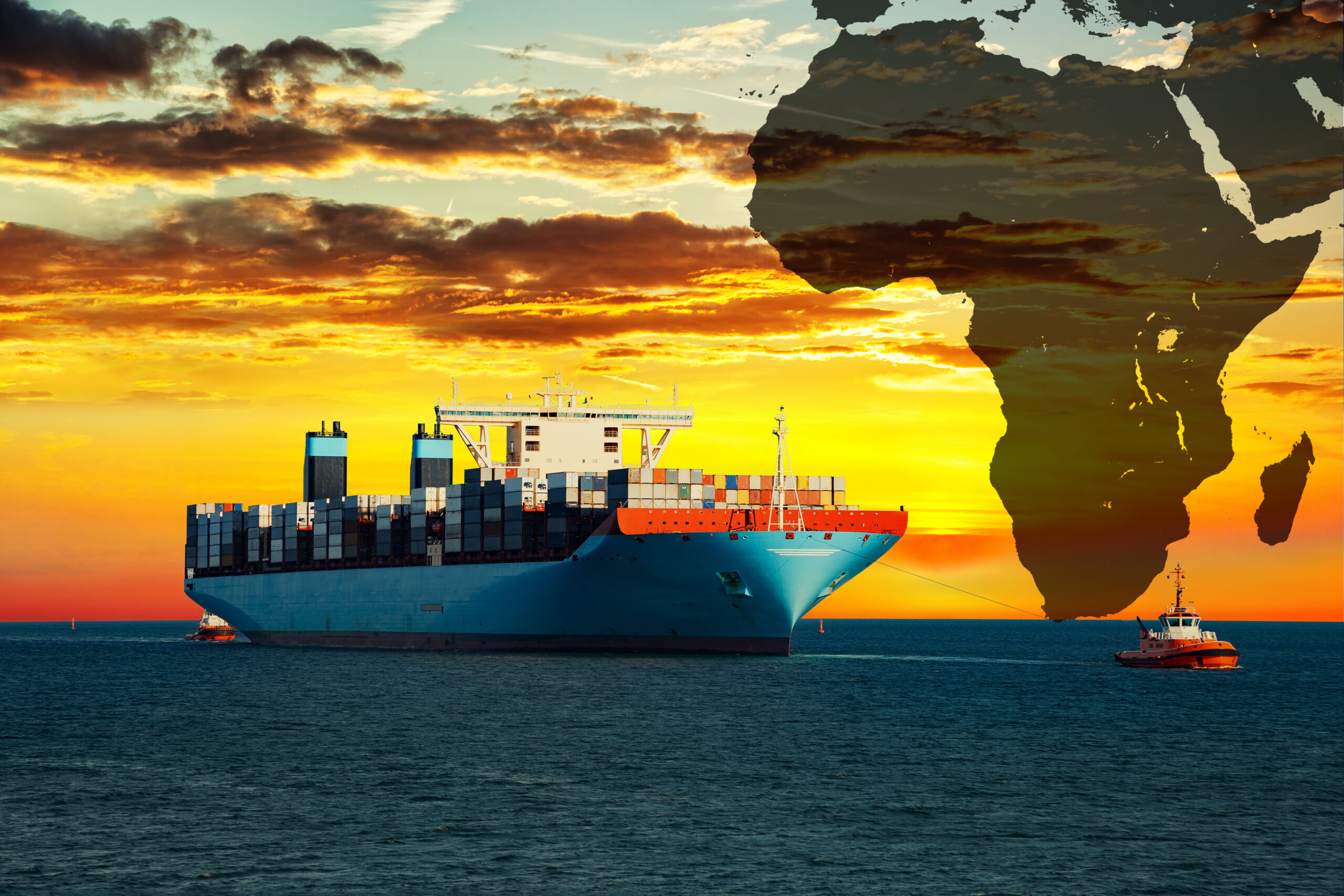
African bunkering hubs gain as ships reroute aroun...
24 Mar, 2026 12:24
Shipping giant Cosco restarts cargo bookings for M...
26 Mar, 2026 09:20